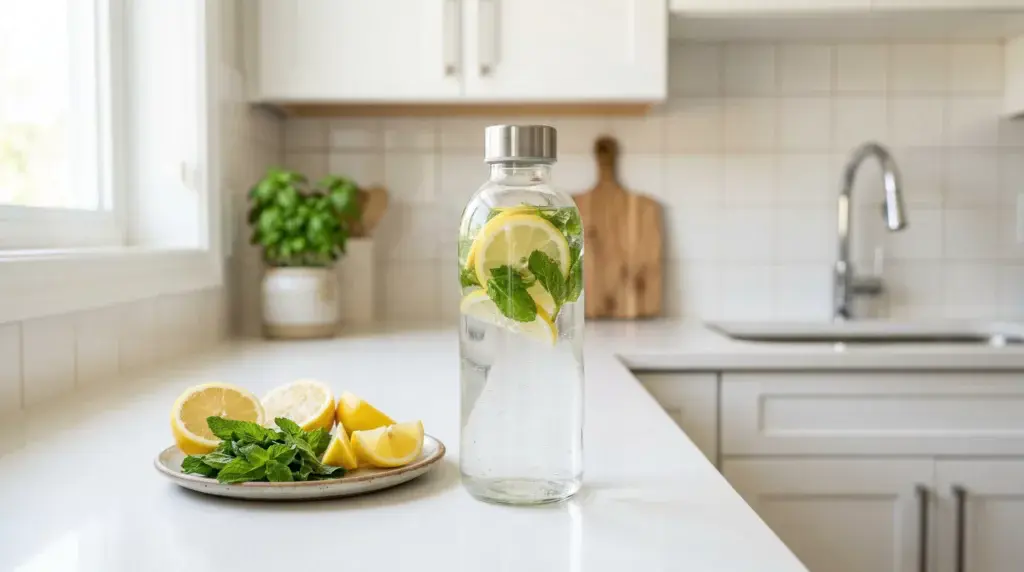

Drinking enough water is often talked about in weight loss circles, but there’s a lot of confusion about how it actually helps and how much you really need. Staying hydrated goes beyond just quenching thirst. It plays a steady, behind-the-scenes role that influences a bunch of factors that matter when you’re trying to lose weight. I know firsthand that upping my water intake not only helped control my hunger, but it also made workouts feel a little less exhausting. Here’s a simple guide for anyone wanting to understand just how much water to drink for weight loss, along with some realistic tips I picked up from my own adventure and research.
Why Water Matters for Weight Loss
It’s easy to skip over water when thinking about losing weight, especially with all the diet fads and magic supplements floating around. In reality, water supports almost every aspect of a healthy metabolism. Drinking water can curb those all day snack cravings and support your entire digestion process, making it an easy habit with a pretty big impact.
Several studies back up what I’ve felt: water helps you burn more calories at rest, especially if you drink chilled water, since your body has to work a little harder to warm it up. On top of that, choosing water over soda, juice, or sugary coffee saves a lot of hidden calories over time. As you settle into drinking more water, you’ll start to notice differences in how your body responds during the day. Small improvements in your energy, clearer skin, fewer cravings, and better mood are all likely bonuses of staying hydrated while sticking to a weight loss plan.
How Much Water Do You Really Need?
The first thing I always tell friends is that there’s not a single perfect answer for everyone. The recommended daily amount often tossed around is 8 cups a day, which works out to about 2 liters or half a gallon. But whether that’s enough for you depends on your activity level, climate, age, weight, medications, and even what you eat. If you’re active, live in a hot place, or eat a lot of salty or processed foods, you might need more.
Most health sources, like the Mayo Clinic and CDC, suggest aiming for 2.7 liters (about 11.5 cups) for women and 3.7 liters (about 15.5 cups) for men when combining all beverages and foods. Since about 20 percent of our daily fluid intake comes from food, your target just from water will be a bit lower, generally around 2 to 3 liters per day for most adults.
Signs You’re Getting Enough
- Your urine is pale yellow (not dark or totally clear).
- You rarely feel unusually thirsty.
- You have steady energy and headaches are rare.
Remember, your body’s hydration needs can fluctuate day by day, especially based on your diet and how active you are. Checking your urine color is a simple way to keep things on track. If you’re unsure, it’s better to drink a small glass and listen for natural thirst cues rather than force yourself to chug more than you need.
What is the 30/30/30 Rule for Weight Loss?
The 30/30/30 rule is a buzzworthy method in the weight loss world with a super easy concept: as soon as you wake up, eat 30 grams of protein within 30 minutes and then spend 30 minutes doing low intensity exercise. While this method doesn’t directly relate to how much water you should drink, hydration still matters. Having a large glass of water first thing gets your metabolism moving and helps you feel alert before breakfast. I find starting with water also stops me from mindlessly overeating at breakfast, which pairs really well with the higher protein start suggested in this rule. Many people see results faster with this method, likely because it encourages routines that naturally support fat loss and healthy habits right from the beginning of the day.
Water Intake for Targeting Belly Fat
“How much water should I drink to lose belly fat?” is something I get asked a lot. There’s no evidence that drinking a huge amount of water will burn belly fat specifically, but it does help reduce bloating, keeps digestion running smoothly, and can aid weight loss overall, which often reduces fat around the midsection too.
There’s value in sipping water throughout the day, rather than chugging a bunch in one go. Aiming for about 2–3 liters of water daily supports fat loss, but if you’re sweating a lot during workouts or live in a hot climate, you might want a bit more. Notice changes in your energy, focus, or appetite as you dial in your intake. Focusing on drinking water at regular intervals will help prevent unnecessary hunger, keep you from mindless snacking, and support steady loss of inches around your waist as your total body fat drops.
Drinking Water While on Zepbound
If you’re using a prescription medication for weight management like Zepbound (tirzepatide), keeping up with your hydration becomes super important. Zepbound may change how you process fluids and can increase your risk for dehydration or constipation.
Most doctors recommend sticking to at least 2 liters (around 8 cups) of water daily, but listen to your body and your physician’s advice. If you notice extra thirst or side effects like headaches or constipation, slowly increasing by a few cups can help. I also found that adding unsweetened herbal teas and eating waterrich foods like cucumber, oranges, and tomatoes made it easier to hit my hydration goals without feeling forced. Staying hydrated helps with side effects and keeps your body systems working smoothly, which is especially important when you’re using medications that change your appetite and digestion.
Can You Drink 3 Litres of Water a Day for Weight Loss?
Drinking 3 liters a day is safe for most adults and can support weight loss by helping you feel full and reducing your urge to snack. If you have certain health concerns like kidney, liver, or heart issues, talk to your healthcare provider before pushing your intake much higher.
For anyone who’s healthy and active, 3 liters is pretty reasonable, especially if you’re in a warm place or working out regularly. Just spread it out so you’re not downing a bunch at once; your body can only process so much water at a time. Too much, too fast can actually throw off your body’s electrolyte balance. I found it super helpful to carry a refillable bottle and take small sips throughout the day to keep hydrated naturally. If you’re new to drinking more water, build up slowly and see how your body responds.
Simple Steps to Boost Water Intake
- Keep Water Handy: Always have a water bottle at your desk, in the car, or in your bag.
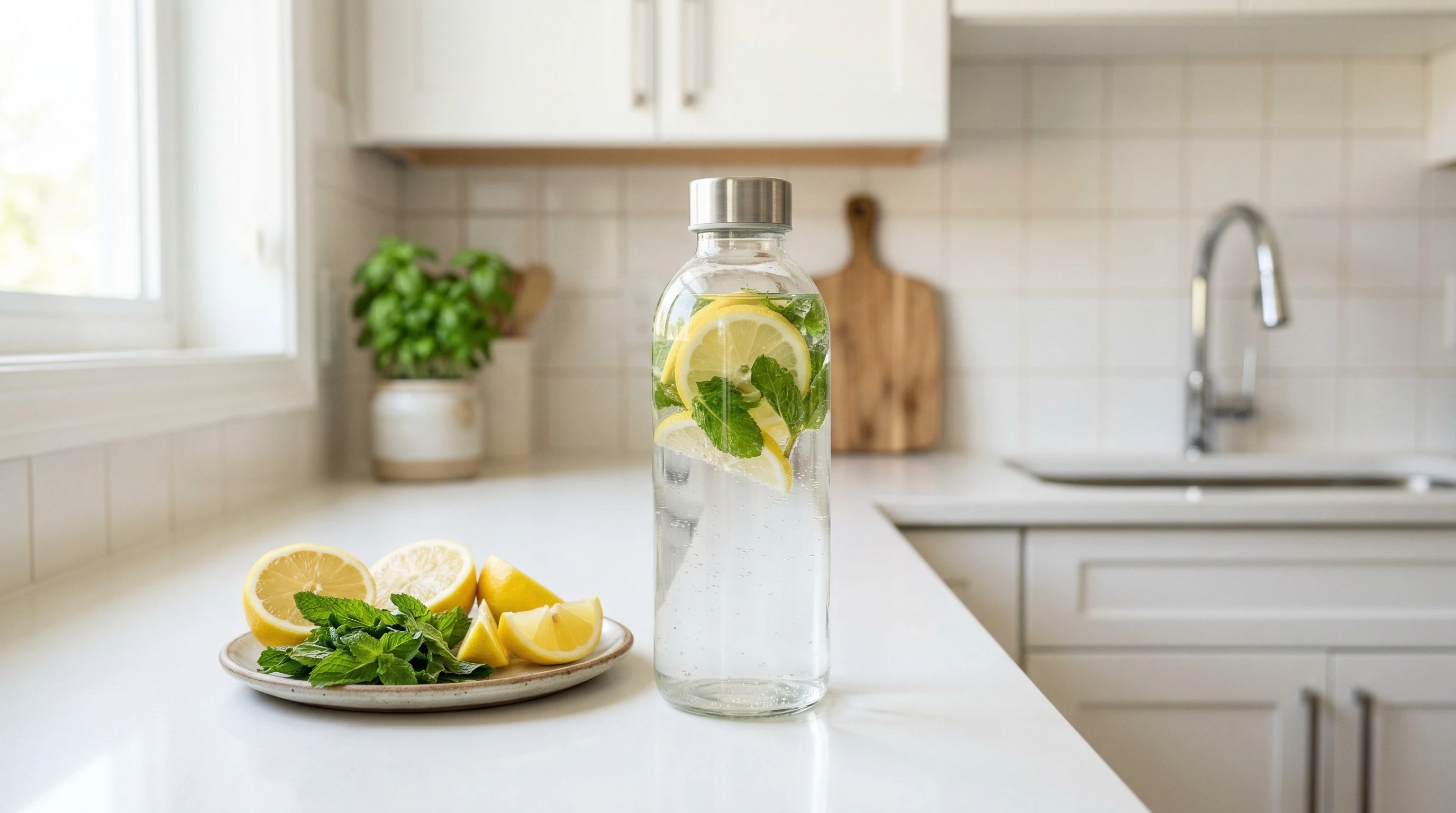
- Add Flavor: Try fresh lemon, lime, mint, or berries to jazz up plain water if you’re struggling to drink enough.
- Drink Before Meals: A glass of water 15 to 30 minutes before eating makes a difference in appetite control.
- Balance Electrolytes: If you’re drinking more than 3 liters or sweating a lot, adding a pinch of salt or using electrolyte tablets helps keep minerals in balance.
- Use Reminders: Set phone alarms or reminders until it becomes second nature. I even stick postits on my fridge sometimes, whatever works!
Other creative strategies that helped me hit my water goals included using larger glasses, marking lines on my water bottle to see progress, and swapping out one coffee or soda for water each afternoon. Little steps make water drinking easier without feeling like a chore.
Potential Pitfalls and What to Watch For
- Overhydration: It’s not super common, but drinking way more than your body can handle (like over 5 liters a day, especially quickly) can cause a drop in sodium levels, which isn’t good. Stay mindful if you have kidney or heart concerns.
- Ignoring Thirst Cues: Your body’s cues are usually the best guidance for regular days, though thirst can sometimes lag behind if you’re older or on certain medications.
- Bathroom Breaks: Upping your water will mean more trips to the bathroom at first. For most people, this tapers off as your body adjusts. Spread your water intake to avoid waking up all night.
Also, keep in mind that too much water can make you feel overly full, upset your stomach, or dilute important minerals if not balanced with electrolytes. Watch how your body feels as you increase your intake and adjust as needed. If any unusual symptoms appear, slow down and seek advice.
Common Situations and Water Needs
- During Exercise: Drink ½ to 1 cup every 15 to 20 minutes. Weigh yourself before and after workouts to know how much fluid you lost (1 pound lost is roughly 2 cups of water needed to replace it).
- Warm Weather: You lose more water through sweat, so increase by 1 to 2 extra glasses.
- HighProtein Diets: These diets can be dehydrating, so aim for the high end of your daily target.
- If You’re Pregnant or Breastfeeding: You need a bit more; talk to your healthcare provider for personalized advice.
If you’re traveling, sick, or eating more processed and salty foods, also pay attention to fluid needs. The more in tune you are with your daily routine, the easier it is to make water drinking a regular habit.
Realistic Results You Can Expect
I noticed that once I started naturally upping my water intake, I had fewer snack attacks, my skin looked healthier, and I dropped a few pounds a bit easier. Frustration from plateauing eased a bit, and my workouts felt less draining. I still focused on healthy meals and exercise, but water definitely made sticking with a routine easier.
Cutting out or reducing highcalorie drinks like sodas, energy drinks, or alcohol is also a really powerful step. All those calories add up faster than most people realize. Water, on the other hand, keeps you hydrated and lets your body actually burn fat more efficiently. There’s no magic pill required, but small, steady improvements add up.
Frequently Asked Questions
Question: What is the 30/30/30 rule for weight loss?
Answer: The 30/30/30 rule means eating 30 grams of protein within 30 minutes of waking up and then doing 30 minutes of low intensity exercise. Pairing this with a big glass of water is an easy way to boost your metabolism and help keep appetite in check.
Question: How much water should I drink to lose belly fat?
Answer: Most adults do well with 2–3 liters of water a day. This won’t directly burn belly fat, but it helps with appetite control, reducing bloating, and overall weight loss, which often leads to a slimmer waistline.
Question: How much water should I drink on Zepbound?
Answer: If you’re taking Zepbound, aim for at least 2 liters (8 cups) of water each day unless your doctor tells you differently. Watch for extra signs of dehydration, like headaches or constipation, and slowly increase your intake if you notice them.
Question: Can I drink 3 litres of water a day for weight loss?
Answer: For most healthy adults, 3 liters per day is safe and can help with weight loss by keeping you full and your body running well. If you have any chronic medical problems, adjust with your doctor’s guidance, especially if you notice unusual symptoms.
Takeaway
Staying hydrated is one of the simplest habits with a surprisingly positive effect on weight loss. How much water you need depends on your own routine, body, and lifestyle. For most people, drinking between 2 to 3 liters a day supports weight loss, energy, and overall health. Check in with your body, pay attention to thirst and changes in energy, and keep a water bottle within reach. Sometimes it’s those little habits that add up to the best results!