


Artificial sweeteners get talked about a lot whenever the topic of sugar, dieting, or diabetes comes up. Some folks use them to shave calories off their daily diet, others to keep blood sugar steady, and some just prefer the taste. But the science around these alternative sweeteners moves fast, and what we know about them keeps changing. Here’s a closer look at the latest research on artificial sweeteners, the new warnings, and answers to some common questions I get whenever the subject comes up.
Why People Use Artificial Sweeteners
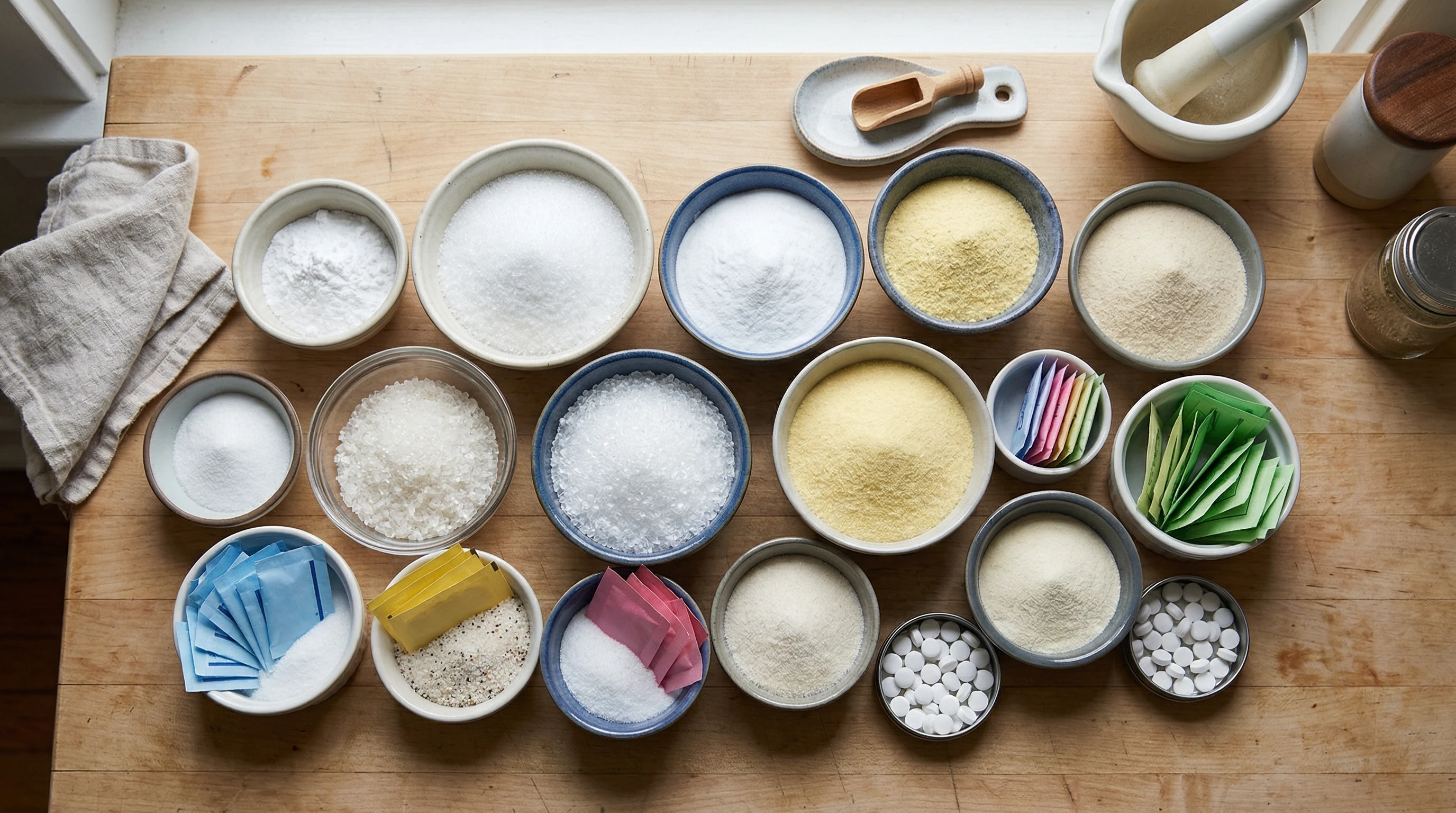
Artificial sweeteners popped up as a substitute for sugar because they’re low, sometimes even zero, calorie ways to get a sweet kick. Some popular names are aspartame, saccharin, sucralose, and acesulfame potassium. You’ll see these in everything from diet sodas and yogurts to that pink or yellow packet at the coffee shop.
The main idea behind their use is pretty simple: reduce sugar intake to help with weight control, manage diabetes, or protect teeth from cavities. For folks watching blood sugar, these sugar substitutes don’t cause spikes the way regular sugar does. That’s really handy for people living with diabetes.
Beyond that, many manufacturers use artificial sweeteners in lowcalorie snacks, energy drinks, protein bars, and a growing range of food products, hoping to attract healthconscious consumers or those managing blood sugar. This has helped sweeteners spread fast in both restaurants and grocery stores over the last decade, making it easier than ever to find products free of added sugar.
How Artificial Sweeteners Work
These sweeteners pack a punch; many are hundreds of times sweeter than sugar, so just a trace delivers flavor. Most pass through your body without being digested, which is why they don’t add calories or affect your blood glucose much.
Common types include:
- Aspartame: Found in diet sodas and sugarfree gum.
- Sucralose: The main ingredient in Splenda, used for baking and in drinks.
- Saccharin: One of the oldest versions, sold as Sweet’N Low.
- Acesulfame potassium (Ace K): Used in some sodas and candies.
- Stevia: Technically a “natural” sweetener from a plant, but it is highly processed.
Most people only need a tiny bit because the sweetness level is intense. This means processed foods and beverages using these sugar substitutes often taste sweet but have barely any calories—or none at all—from the sweetener itself.
What’s New: Recent Research and Health Warnings
The research on artificial sweeteners keeps coming. Over the last few years, a few trends and fresh warnings have popped up that are worth knowing.
What Is the New Warning About Artificial Sweeteners?
In 2023 and 2024, several health organizations started raising concerns that weren’t really on the radar a few years back. The World Health Organization (WHO) published a statement about nonsugar sweeteners and cautioned against using them for weight control, especially long term. Their new guidelines suggest that swapping sugar for artificial sweeteners hasn’t shown steady results for weight loss, and there’s a possible link to increased risk of type 2 diabetes, heart disease, and, in some cases, even certain cancers.
The key point from the WHO is that artificial sweeteners might not be as helpful or harmless as once thought, especially if you’re thinking long term. They recommended limiting their use, especially in children and pregnant women unless there’s a medical need. This doesn’t mean you need to panic if you put a packet in your coffee, but it’s a reminder that moderation is wise.
What Is the New Study on Artificial Sweeteners?
One study that has been getting a ton of attention was published in “Nature Medicine” in April 2023. This study zeroed in on erythritol, a sugar alcohol used in lots of zerosugar and ketofriendly products. The researchers found that people with higher blood levels of erythritol had increased risk of heart attack and stroke. The study didn’t show causation, so it’s not a slam dunk that erythritol causes these events, but it raised enough flags for scientists to call for more robust research and for people to think more carefully about what they’re consuming.
Similar research on other sweeteners like aspartame and sucralose continues to check for links between their consumption and gut health, cancer risk, or metabolic changes. If you want to check primary sources, you can hit up sites like PubMed or the WHO guidance for details.
Are There Really Unhealthy Artificial Sweeteners?
People want to know which (if any) artificial sweetener is basically the worst one. If you ask around, saccharin used to be the “bad guy” because studies in the 1970s linked it with bladder cancer—in rats. Today, the FDA and other global food safety agencies say saccharin is safe for humans in normal amounts, but some lingering concern sticks around for folks with certain allergies.
Right now, most dietitians point to aspartame as possibly the most debated. In July 2023, the International Agency for Research on Cancer (IARC) classified aspartame as “possibly carcinogenic to humans.” That’s not a guarantee it’s causing cancer, but the risk is what they call “limited evidence.” At the same time, the levels allowed in food and drinks are way below what the studies used, so many health agencies (including the FDA) still say it’s safe in moderation. Still, it’s the sweetener that gets flagged the most.
Sucralose, found in Splenda, has had its own rough patch lately. A study from 2023 published in the “Journal of Toxicology and Environmental Health” found that one of sucralose’s breakdown products might damage DNA. But, again, the jury is still out on what this means for humans drinking or eating average amounts. Scientists continue to dig into the effects and look for new evidence.
What About Gut Health?
Newer studies have started to focus on gut health and how artificial sweeteners affect your gut microbiome. Several animal studies, and some in humans, show these sweeteners can change the balance of gut bacteria. In some tests this has led to glucose intolerance (where your body doesn’t handle sugar well), even though the actual sweetener doesn’t raise blood sugar. That’s a twist researchers are still working to understand, and future research may uncover more links between gut health and longterm use of artificial sweeteners.
In addition, some scientists are exploring whether regularly using these sweeteners might shape taste preferences or appetite, possibly making it tougher to cut back on sugary foods overall.
Safe Bets: What Is the Safest Artificial Sweetener?
If you want a sugarfree option with the least controversy right now, stevia is one of the safer picks. Research suggests that it doesn’t impact blood sugar, hasn’t been found to change your gut bacteria in a big way, and, so far, hasn’t raised any huge health red flags. Just a heads up, though: pure stevia extract is what’s usually studied; sometimes grocery store products mix it with other fillers, so it helps to read the labels.
Another group called “sugar alcohols” (like xylitol and erythritol) used to be considered very safe, but recent questions about erythritol and heart health make them something to use with a little more caution. As always, personal response can vary—some people are more sensitive to certain sweeteners, so it’s smart to pay attention to how your body reacts.
Points to Think About Before Making the Switch
Choosing to swap sugar for artificial sweeteners comes with a few things to think about:
- How much do you use daily? The occasional diet soda won’t usually be a problem. Using several packets and products every day for years is where health questions start showing up in studies.
- What else are you eating? Artificial sweeteners don’t fix an overall unhealthy diet. Swapping sugar for sweeteners in the middle of a junk food binge won’t magically protect your health.
- Do you get tummy troubles? Many people find sucralose or sugar alcohols can lead to bloating or stomach upset if you go overboard.
For those managing health conditions, such as diabetes or metabolic syndrome, it’s a good idea to check in with a doctor or registered dietitian before making big changes. Getting some pro advice ensures your meal plan is safe and works for your unique needs.
Are Artificial Sweeteners Safe for Kids and Pregnant Women?
Most health organizations (like the American Academy of Pediatrics) recommend keeping sweetener intake low for children. Research is ongoing, but it’s just a safer call to stick to whole foods when you can, especially when kids are still growing.
Pregnant people are often told to limit or avoid certain artificial sweeteners too. Some, like aspartame, are generally considered okay in small doses, but saccharin is usually avoided because it can cross the placenta. If you’re expecting or nursing, it’s smart to stick with whole foods and minimal sweeteners, unless otherwise shared by your healthcare provider.
Quick Tips for Using Artificial Sweeteners Wisely
- Read the labels: Sometimes, products billed as “sugarfree” or “ketofriendly” hide surprising amounts of sweeteners.
- Keep it balanced: Using these every once in a while is probably fine for most people, but avoid turning them into a daily habit.
- Stay up on research: The science keeps developing, and more longterm research is coming out every year.
- Listen to your body: If you notice headaches, mood changes, or stomach issues after consuming them, cut back or try something different.
If you’re experimenting with recipes or drinks at home, consider starting with smaller amounts to see how your body responds, and keep an eye out for any patterns with symptoms or digestion.
Frequently Asked Questions
What is the new warning about artificial sweeteners?
Recent statements from organizations like the WHO suggest limiting artificial sweeteners use, especially for weight management. There’s now more focus on possible links to diabetes, heart disease, and some cancers.
What is the most unhealthy artificial sweetener?
Aspartame is the most hotly debated sweetener right now. Research links it to cancer in very high doses, but it’s considered safe at normal dietary levels. People with PKU (a rare disorder) also need to completely avoid it.
What is the new study on artificial sweeteners?
A 2023 study found that high levels of erythritol in the blood were linked to a higher risk for heart attack and stroke. Researchers are still working to sort out exactly why this happens, but further research is underway.
What is the safest artificial sweetener out there?
Stevia seems to be the safest option on the market today, as studies show very few side effects and little risk even with longterm use.
Final Thoughts
Artificial sweeteners aren’t magic, but they aren’t pure evil either. A little here or there can help with cutting sugar or calories, but they work best as an occasional tool, not a daily crutch. If you want to dig into the details, checking resources from major health organizations or talking to a dietitian or doctor is always a smart move because the research is switching up all the time. Staying informed makes it easier to make healthy choices that fit your lifestyle and goals.


