


The Mediterranean diet pops up again and again in health circles, and it’s easy to see why. Whether you’re aiming to support your heart health, manage your weight, or just enjoy genuinely tasty meals, this eating style keeps gaining fans everywhere. My own experience exploring the Mediterranean diet showed me how approachable and satisfying the meals are, so they’re worth checking out even if you’ve struggled with other food plans before.
The Basics of the Mediterranean Diet
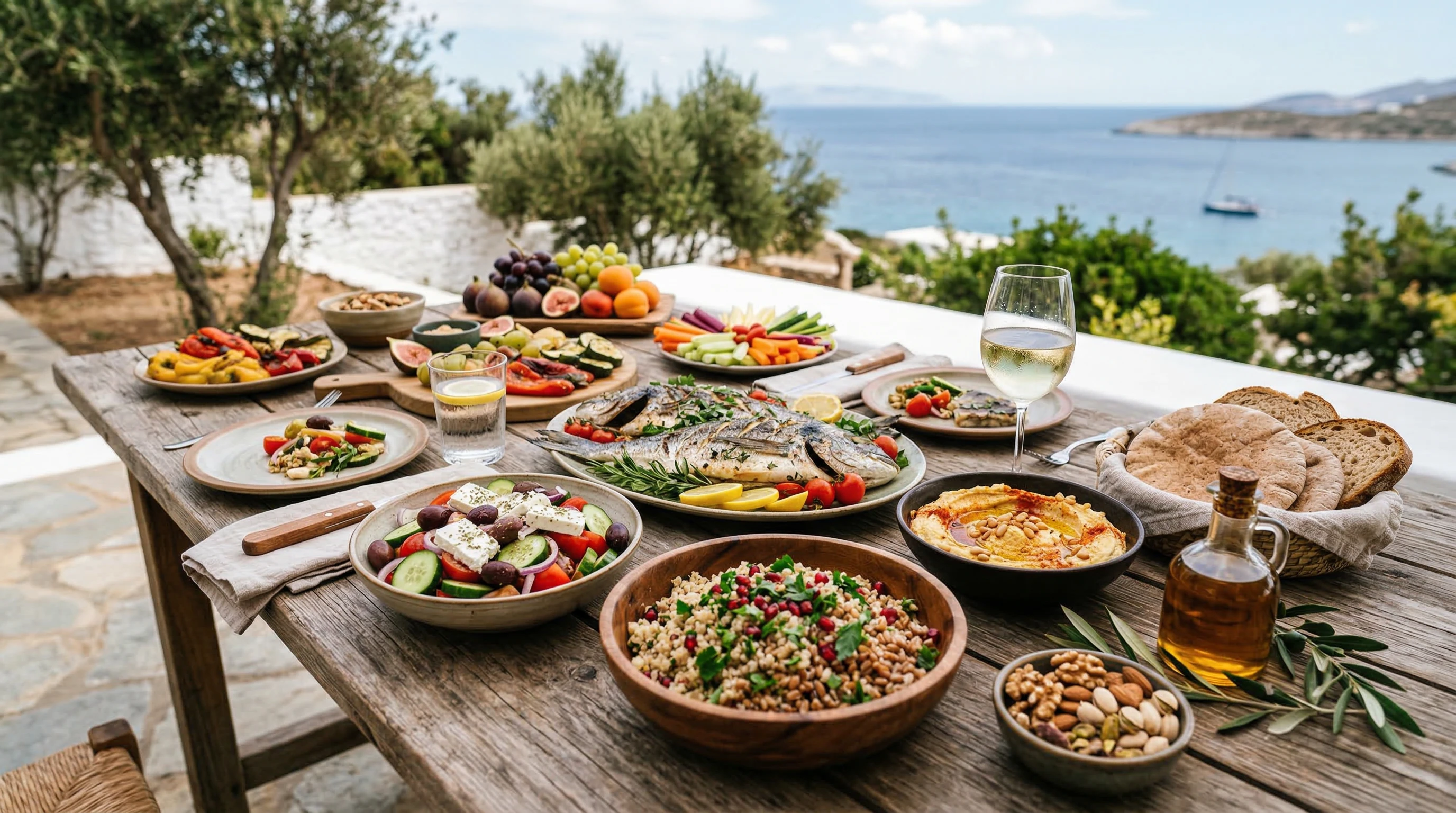
The Mediterranean diet focuses on whole, minimally processed foods. It’s inspired by the way people in countries bordering the Mediterranean Sea have eaten for generations. I noticed right away that it’s high in vegetables, fruits, nuts, beans, whole grains, and olive oil. Meals usually include fish or seafood a few times a week, with moderate amounts of poultry, eggs, and dairy. Red meat and sweets are enjoyed only rarely.
This diet isn’t about restriction or calorie counting. It’s about flavor and quality, with fresh herbs, lots of garlic, and simple, filling foods. Meals often happen with family and friends, with a relaxed pace that lets you savor each bite. The cultural aspect of enjoying meals slowly together is as important as the food itself, allowing people to connect and experience less stress during eating, which may help digestion and build lasting healthy habits.
How the Mediterranean Diet Affects Your Body
Switching to a Mediterranean diet does more than just change your shopping list. It impacts your whole body. I found my energy levels felt steadier and my digestion improved within a few weeks. The diet’s high fiber keeps you feeling fuller between meals and supports gut health by encouraging the growth of good bacteria. Some people also notice clearer skin and a lighter feeling overall thanks to the focus on fresh produce and healthy fats. For people who often feel tired or sluggish on other diets, the Mediterranean approach provides balance without leaving you hungry.
Olive oil is a regular ingredient and brings healthy monounsaturated fats, which help protect the heart. Fish and seafood supply omega-3s, which support brain function. The inclusion of nuts and seeds helps manage cholesterol and can lower inflammation markers. Blood sugar control tends to be better thanks to the emphasis on slow-burning carbs and plantbased proteins. If you struggle with energy crashes or mood swings after eating, this style of eating helps even things out.
Is the Mediterranean Diet Really the Healthiest in the World?
A lot of experts call the Mediterranean diet one of the healthiest eating patterns out there. The U.S. News & World Report consistently ranks it as the best overall diet. What makes it so popular among nutritionists and doctors is the wealth of long-term studies backing it up. People living in Mediterranean regions have some of the world’s lowest rates of heart disease and live longer, healthier lives on average.
While no diet is one-size-fits-all, its flexibility and focus on wholesome ingredients allow most people to make it their own without feeling deprived. You can adjust meal plans to suit your preferences or any specific medical needs, and it’s easy to prepare in small or large batches for yourself or your family. Quite a few meal plans can be adapted to various dietary preferences, including vegetarianism or glutenfree lifestyles.
Mediterranean Diet Benefits: From Heart Health to Weight Control
- Heart Health: This diet is super good for your cardiovascular system. The mix of good fats, antioxidants, and fiber helps lower cholesterol, manage blood pressure, and reduce risk for heart attacks and strokes.
- Lower Triglycerides: Eating less added sugar, refined carbs, and unhealthy fats brings triglyceride levels down, which is really important for anyone at risk for heart disease or diabetes.
- Weight Management: Even though the Mediterranean diet isn’t “low fat,” most people find it easier to lose or maintain weight because the foods are satisfying and naturally lowercalorie. One of my friends switched from a standard American diet and noticed her cravings dropped a lot just by swapping in more veggies and olive oil. Meals are often colorful and filling which helps curb the urge to snack on processed foods.
- Brain Protection: Regularly eating fatty fish and leafy greens may help sharpen memory and reduce risk for Alzheimer’s disease. The diet’s nutrients also support mental wellness and concentration.
- Diabetes Support: Meals are built around fiberrich carbs, which lead to fewer blood sugar spikes. This is especially helpful for people at risk of Type 2 diabetes or those trying to manage blood sugar with food choices.
- Longevity: There’s plenty of research tying the Mediterranean diet to longer life and healthy aging. Seniors who stick to this way of eating report better mobility and improved quality of life.
Mediterranean Diet Benefits for Women
I’ve talked with several women who found this diet especially helpful for managing hormonal balance and reducing the risk for conditions like breast cancer and osteoporosis. The higher calcium intake from dairy and green veggies supports bone health. For women going through menopause, the antiinflammatory benefits of olive oil, nuts, and veggies can ease symptoms and support energy levels. Healthy fats and plenty of plantbased foods also help balance hormones, making periods and perimenopause a bit smoother for some. Additionally, the lower intake of processed foods and sugar is tied to clearer skin and improved mood for women of all ages.
Mediterranean Diet and Heart Failure
For anyone dealing with heart failure or hoping to prevent it, adopting this eating style is a positive step. The Mediterranean diet encourages heartfriendly choices and can help control blood pressure, cholesterol, and other risk factors. Studies have shown that people following this diet longterm have better heart function and lower rates of hospitalization for heart issues. Consistent use of olive oil and plant foods has been linked to less artery inflammation, which means lower risk for serious complications. Many doctors recommend the Mediterranean diet as part of a heart treatment plan because it can be tailored without drastic restrictions. People who stick with it often say they notice more energy and less swelling overall.
Risks and Disadvantages of the Mediterranean Diet
Even though the Mediterranean diet is mostly safe for everyone, there are a few things to keep in mind. Calorierich ingredients like nuts and olive oil are healthy but easy to overdo, especially if you’re not used to including them in your meals. Portion control matters, even with wholesome foods, because calories can add up if you pour olive oil freely or snack on large amounts of nuts.
Some people may find they need to work a bit harder to get protein if they cut back too much on meat and poultry, so paying attention to beans, fish, and dairy is important. Changing habits can also mean a little extra food prep, since processed convenience foods don’t play a big role here. Prepping veggies and beans in advance helps keep meals simple and quick. Trying new recipes may take some practice, but after a while it becomes second nature.
If you have specific allergies, chronic kidney disease, or need very low-salt diets, talk with a healthcare provider or dietitian before making major changes. Careful planning makes the Mediterranean diet fit nearly any health situation. Those who enjoy variety can keep things interesting by using different herbs and switching up protein sources regularly.
Mediterranean Diet Food List
- Fresh fruits (oranges, grapes, berries, apples)
- Vegetables (tomatoes, spinach, cucumbers, peppers, eggplant)
- Whole grains (farro, barley, oats, couscous, brown rice)
- Legumes (chickpeas, lentils, beans)
- Nuts and seeds (almonds, walnuts, sunflower seeds)
- Olive oil (used for dressing and cooking)
- Fish and seafood (salmon, sardines, trout, shrimp)
- Moderate dairy (plain yogurt, feta cheese, lowfat milk)
- Poultry, eggs (a few times per week)
- Fresh herbs and spices (basil, oregano, parsley, mint)
- Red wine (optional and only in moderation, usually with meals)
Mediterranean Diet Meal Plan Example
I like to keep things simple and seasonal. Here’s a basic sample meal plan that covers a full day:
- Breakfast: Greek yogurt with walnuts, sliced peaches, and a drizzle of honey
- Lunch: Farro salad with cherry tomatoes, cucumber, crumbled feta, chickpeas, olive oil, and lemon
- Snack: Sliced apple with a handful of almonds or olives
- Dinner: Grilled salmon with roasted eggplant, zucchini, and whole wheat couscous, finished with fresh parsley
- Dessert (optional): Berries with a teaspoon of honey or a small square of dark chocolate
This meal plan shows how easy it is to add variety by switching out seasonal produce or proteins. You can substitute plantbased proteins, experiment with different grains (like barley or brown rice), or toss in extra veggies depending on the time of year.
Mediterranean Diet Recipes Worth Trying
You’ll find loads of Mediterranean inspired recipes online, but some of my go tos are:
- Shakshuka: Eggs poached in a spicy tomato and pepper sauce, perfect for breakfast or brunch.
- Greek Salad: Cucumbers, tomatoes, red onion, Kalamata olives, feta, and a lemon olive oil dressing.
- Lentil Soup: Hearty soup with lentils, carrots, and celery, flavored with bay leaf and thyme.
- Ovenbaked Fish with Herbed Vegetables: Any white fish, baked with sliced peppers, onion, tomatoes, and a splash of olive oil.
- Chickpea Hummus: Blended chickpeas, garlic, tahini, lemon, and olive oil served as a dip or on toast.
There are also great onepan options like ratatouille or roasted chicken with potatoes and olives. Simple grilled vegetables or roasted eggplant drizzled with olive oil make tasty, healthy sides. If you enjoy baking, you can find Mediterraneanstyle breads like wholegrain pita or focaccia to round out meals.
What People on Reddit and Online Say About the Mediterranean Diet
I often browse Reddit and cooking forums to see what real people are saying. There’s a huge number of positive reviews from folks who say the Mediterranean diet helped with sustainable weight loss, better blood work (lower cholesterol and triglycerides), and improved energy. Many people mention how easy it is to stick to because of the flexibility and variety; it rarely feels like a “diet.” However, a few people mention needing some time to adjust to less processed food and planning meals in advance. It’s a good spot to pick up practical tips from others who’ve already made the switch. Meal prep and batch cooking are popular suggestions, as well as ideas for quick lunches you can pack for work. Several people say the diet has helped their families eat more vegetables and enjoy mealtimes together.
Common Questions About the Mediterranean Diet
Is the Mediterranean diet good for lowering triglycerides?
The focus on healthy fats, less refined carbs, and whole foods helps lower triglycerides, which is really important for reducing heart risk.
Is a Mediterranean diet good for heart failure?
It encourages choices that support heart health, and studies show improvement in heart function and lower risk for complications.
Does the Mediterranean diet help with weight loss?
Yes, many people find it easier to reach or maintain a healthy weight because the meals are filling and less processed.
What’s on the Mediterranean food list?
Fruits, veggies, whole grains, legumes, seeds, nuts, fish, seafood, poultry, dairy, eggs, and olive oil.
Are there any disadvantages to the Mediterranean diet?
Some people feel it takes more planning and prep at first, and you need to watch portions of calorierich olive oil and nuts.
What are some easy Mediterranean diet recipes?
Try Greek salad, shakshuka, roasted fish, lentil soup, or homemade hummus. These meals are fresh, filling, and pretty simple.
Wrapping up, the Mediterranean diet stands out because it’s flexible, tasty, and easy to make your own. Whether you want to support heart health, manage weight, or add more veggies to your plate, this time-tested approach has plenty to offer. Give it a try—you might find that good food is the best kind of medicine.


