


If you’re just getting interested in the Mediterranean diet, you’re joining a crowd that’s been munching on olives, tomatoes, and whole grains for thousands of years. I first stumbled onto this eating style when a friend from Greece taught me how to make a traditional salad. It’s simple, colorful, and honestly hard to mess up. The Mediterranean diet is not about counting calories or endless restrictions. It’s about enjoying food, fresh ingredients, and a bit of balance. Here, I’ll break down how to get started, what you’ll eat, and how this way of eating fits into everyday life, especially if you’re looking for breakfast inspiration or wondering about health perks like A1c management.
What is the Mediterranean Diet?
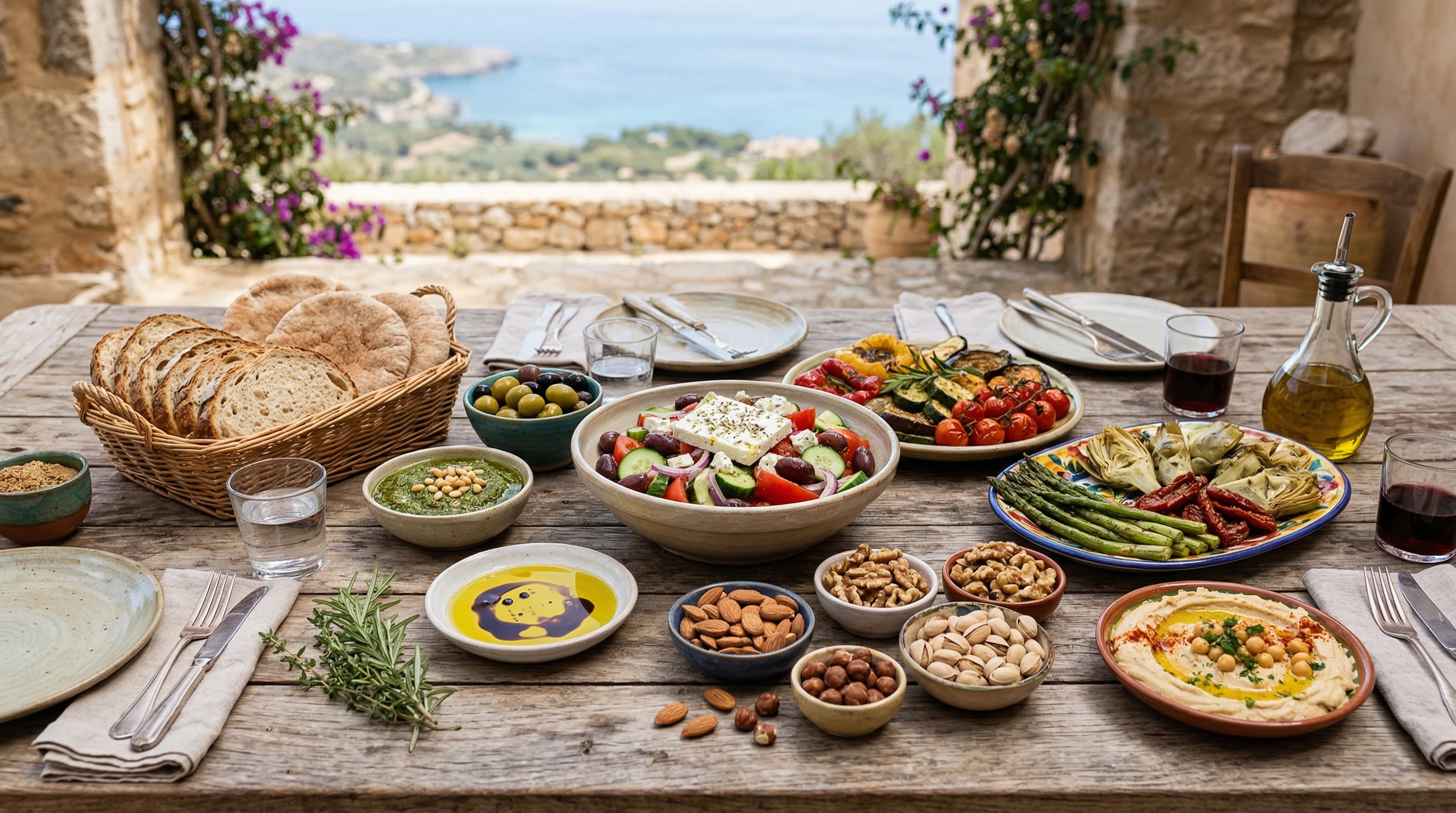
The Mediterranean diet is based on the traditional eating patterns found in countries like Greece, Italy, and Spain. The focus is on plantbased foods, lean proteins, healthy fats, and lots of flavor from fresh herbs and spices. It’s less about strict rules and more about building a positive relationship with simple, nourishing meals. The popularity of this diet comes from its easygoing approach and well-studied health benefits. There’s plenty of research backing up its effect on heart health, weight management, and even blood sugar levels. The Mediterranean region might be famous for its beautiful coastline, but I think its best export is how they approach food.
How to Start the Mediterranean Diet as a Beginner
Jumping into the Mediterranean diet doesn’t require tossing out everything in your pantry or learning new cooking techniques overnight. I found that making a few small changes is all it takes to get going:
- Stock Your Kitchen: Fill your pantry with basics like olive oil, whole grains (think brown rice, quinoa, wholewheat bread), canned beans, nuts, and lots of herbs and spices. Frozen veggies or canned tomatoes are handy, too.
- Fresh Produce: Make fruits and vegetables the star at every meal. I like to prep cut veggies so they’re easy to grab. Cucumbers, cherry tomatoes, carrots, and bell peppers see a lot of action in my fridge.
- Swap Your Proteins: Go for fish and seafood a couple times a week, and add more chickpeas, lentils, or beans. Chicken, eggs, and cheese are also used, but in smaller amounts than you might be used to.
- Healthy Fats: Replace butter with extra virgin olive oil, and toss in nuts or seeds as salad toppers or snacks.
- Flavor Simply: Use lemon, garlic, parsley, basil, oregano, and mint for natural, vibrant taste.
There’s no perfect way to start. Just pick one or two swaps that fit your lifestyle. I always tell people that building new habits feels easier when you stick with what you already enjoy.
What’s for Breakfast on the Mediterranean Diet?
Breakfast can be more varied than you might expect. While there isn’t a single “typical” Mediterranean breakfast, there are a lot of easy ideas that focus on fresh produce, healthy fats, and whole grains. Some favorites from my own mornings include:
- Greek Yogurt with Fruit & Nuts: Simply top unsweetened yogurt with berries, a drizzle of honey, and a handful of walnuts or almonds.
- Wholegrain Toast with Tomato and Olive Oil: Rub a slice of toasted hearty bread with cut garlic and ripe tomato, then drizzle with good olive oil and finish with a pinch of sea salt.
- Oats Cooked with Cinnamon, Apples, and Chopped Nuts: This combo is warming and filling without feeling heavy.
- Vegetable Omelet: A couple eggs whipped with spinach, onions, and herbs, served with a side of sliced cucumbers or tomatoes and a sprinkle of feta.
I try to build breakfast around foods that keep me energized without a mid-morning crash. Coffee or tea, plain or with a little milk, are also part of many Mediterraneanstyle breakfasts. If you have more time on weekends, try shakshuka (eggs poached in a spicy tomato sauce) or a simple fruit salad tossed with mint and lemon juice. It’s surprising how many Mediterranean-inspired breakfast options exist—just mix up market finds and pantry staples to fit your tastes.
What Do People Eat in a Day on the Mediterranean Diet?
A typical day on the Mediterranean diet feels pretty balanced and never boring. Here’s a look at what a usual menu might include:
- Breakfast: Greek yogurt with figs and pistachios, or maybe an openfaced sandwich with avocado and tomato
- Lunch: Chickpea salad tossed with cucumbers, cherry tomatoes, red onion, olive oil, lemon, and parsley. I’ll add a piece of wholegrain bread on the side.
- Snack: A few olives, a small piece of cheese, or apple slices with almond butter
- Dinner: Grilled salmon, roasted vegetables (eggplant, zucchini, peppers), and a scoop of herby quinoa
- Dessert (if you want it): Fresh berries, or a couple dried apricots and nuts
Water is the drink of choice throughout the day, with the occasional glass of red wine enjoyed with dinner for those who drink alcohol. Portions are moderate, and meals often have a social focus, eaten with family or friends whenever possible. Try gathering everyone for a simple mezze platter with hummus, olives, and wholegrain bread to make meals feel more inviting. Even on a busy day, a basic grain bowl topped with plenty of veggies, a few beans, and some crumbled feta feels satisfying and fits the theme.
Key Tips for Making the Mediterranean Diet Work
Sticking with any new way of eating can be tricky at the start. Here are a few things I found really helpful:
- Plan your meals around vegetables. Build salads, sheet pan roasts, and soups that are veggie heavy
- Batch cook grains, beans, or roasted veggies ahead of time to make assembling meals quick
- Keep a bottle of olive oil and fresh lemon handy to instantly boost flavor
- Try new spices. Sumac, smoked paprika, or za’atar can totally transform simple dishes
- Eat mindfully, without distractions like phones when you can
Many of the best Mediterranean dishes are straightforward. Think roasted vegetables, lentil soup, or tabbouleh. Simplicity is really what keeps the whole diet approachable. You can always pick up new ideas as you get more comfortable, adding new recipes or mixing up your favorites with different herbs, seasonal produce, or trying another kind of fish. The key is making it work for your routine without stress or overwhelm.
Will a Mediterranean Diet Lower A1c?
The Mediterranean diet has a good reputation with doctors and dietitians for a reason. Several studies suggest that eating this way may help people keep their blood sugar stable, which can be super important for folks with prediabetes or type 2 diabetes. According to recent clinical research, those who follow a Mediterranean diet often see improvements in their A1c, a marker of longterm blood sugar control (NCBI: Effect of Mediterranean diets on diabetes control).
These benefits seem to come from the focus on fiber (from beans, grains, fruits, and veggies), healthy fats like olive oil, and low intake of processed sugars and refined grains. While individual results vary and it’s always best to check with your healthcare provider, many people notice improvements in both their average blood sugar and cholesterol numbers when they eat Mediterraneanstyle meals consistently. It’s not a magic cure, but it’s a practical step in the right direction for many. Pairing this diet with regular movement, enough sleep, and stress relief methods can make your healthy lifestyle even stronger.
What Foods Should I Focus On? (and What to Skip)
- Go for: Vegetables, fruits, whole grains, beans, lentils, chickpeas, nuts, seeds, herbs, fish, seafood, and extra virgin olive oil.
- Use in moderation: Chicken, eggs, lowfat dairy, and cheese
- Limit or avoid: Processed meats (like bacon and sausage), highly refined grains (white bread), sugarpacked desserts, and butter or margarine
This approach keeps things balanced and satisfying, without feeling restrictive. Filling your plate with variety is key. Experiment with wholegrain pasta tossed with roasted veggies, or build a hearty soup with lentils and leafy greens. You don’t need to eat everything on the “go for” list every day—pick and choose what works for your tastes and routine.
Common Questions About the Mediterranean Diet for Beginners
Here are a few things people tend to ask me when starting out:
How can I keep things affordable?
Stick with seasonal produce, use canned beans and tomatoes, and buy whole grains in bulk. You don’t need fancy ingredients to get the benefits. Meal planning and prepping your staples ahead of time also cuts down on waste and stretches your budget.
Can kids or picky eaters do this diet?
Absolutely. Most Mediterranean meals can be adapted, and swapping out just a few ingredients in family favorites keeps things familiar. Try serving meals “build your own” style—like grain bowls or salad platters—so everyone can choose their own toppings.
How quick are these meals to prepare?
Lots of Mediterranean dinners are “chop, toss, and serve” style, like salads, soups, or onepan bakes. Fish cooks fast, and bigbatch soups are pretty handy for leftovers. Investing a little time on weekends to batch cook grains, roast vegetables, or even make a pot of soup will make weeknights easier.
Does the Mediterranean diet help with weight?
Plenty of folks find that eating this way naturally supports a healthy weight, since it’s high in fiber and filling foods, and low in ultraprocessed snacks. The focus on real, satisfying meals can help cut the urge to snack all day and leaves you more satisfied after you eat.
Final Thoughts
Trying out the Mediterranean diet for beginners opens up a world of colorful, flavorful, and accessible meals. It’s an approach to eating that’s built on tradition but works in any modern kitchen, no matter where you’re starting from. Take it slow, pick up a few new pantry staples, and let your taste buds lead the way toward meals that leave you feeling satisfied and healthy. Over time, you’ll likely find this isn’t just a short-term plan, but a genuinely enjoyable and sustainable way to eat.


