
Sugar isn’t just in sweets and desserts. You’ll find it packed into bread, sauces, breakfast foods, and drinks too. With health advice always in flux and new studies coming out every year, knowing what counts as too much sugar can make a real difference in your daily well-being. Here, I’m breaking down the latest sugar consumption guidelines for 2026—covering fresh updates, notable changes, and practical, everyday tips to help you manage your sugar intake the smart way.
Comparing the New Food Pyramid 2026 to the Old Version
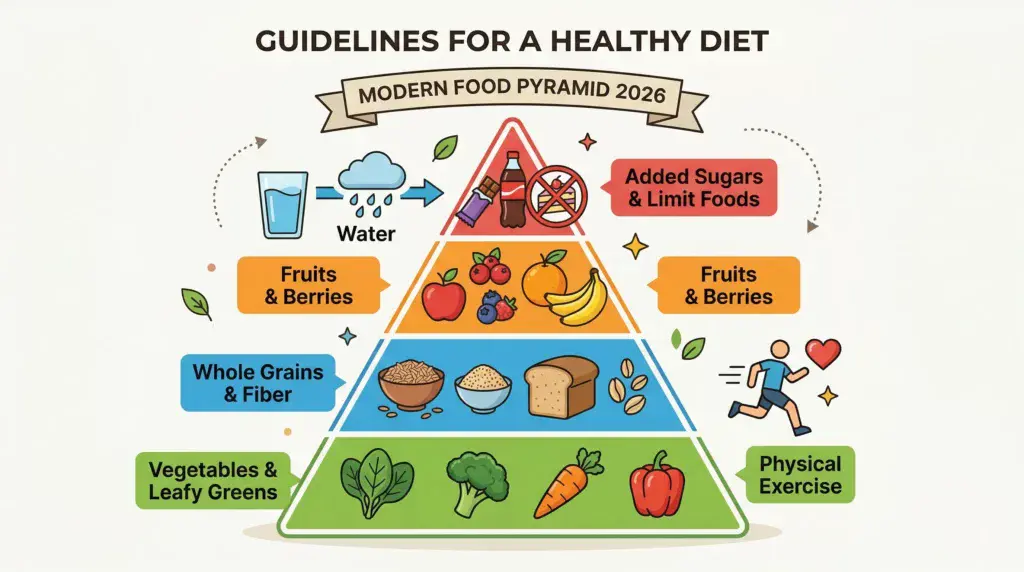
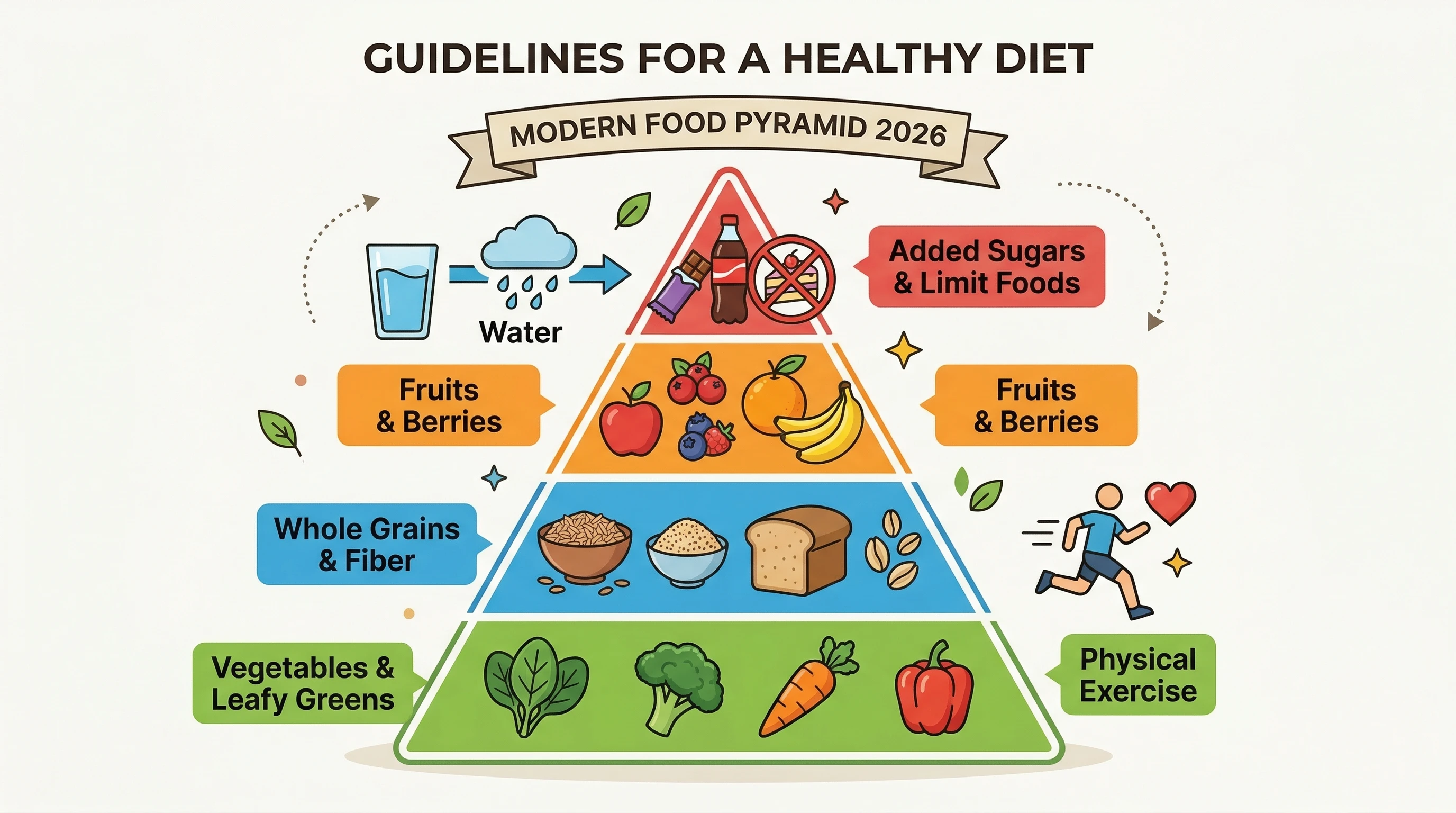
The food pyramid has long aimed to give a snapshot of what a balanced diet should be. For 2026, it’s undergone a definite glow-up. The new food pyramid isn’t just changing food group positions—it’s putting much more attention on holding added sugars to a minimum. In older versions, sugar was barely mentioned, sitting at the pyramid’s pointed tip like an afterthought.
The 2026 food pyramid steps up the visuals: bigger, bolder sections for whole grains, vegetables, fruits, lean proteins, and healthy fats. The tip, which used to include fats, oils, and sweets, now shines a spotlight on limiting added sugars and cutting back on ultraprocessed foods. The message is clear: natural sugars in fruits and dairy are fine, but added sugars (think table sugar, corn syrup, ingredients ending in “ose”) should be kept low.
Dietary Guidelines for Americans 2026 PDF: What’s In It?
Every five years, the USDA and HHS team up to put out the Dietary Guidelines for Americans. In 2026, they’re doubling down on curbing sugar. The full downloadable PDF will soon be on the official site, and it’s perfect if you want to check out every detail.
Highlights from the 2026 guidelines include:
- Limiting added sugars to under 6% of daily calorie intake—a real drop from the previous 10%. For a 2,000-calorie day, that means about 30 grams of added sugar, or slightly less than 8 teaspoons.
- Encouraging people to opt for whole fruits and naturally sweet foods.
- A big push for clearer food labels displaying “added sugars,” so it’s easier to make smart choices at a glance.
These changes come in response to surging rates of health problems like obesity and diabetes, both tied strongly to excess sugar habits. The guidelines aim to move the needle on these trends by getting people to make everyday swaps in their diets.
New Dietary Guidelines 2026 Chart: Sugar at a Glance
Handy, color-coded charts are a standout feature of the 2026 guidelines. They show which food groups to focus on and which ones call for more attention, especially added sugars. The bright red blocks for sugar act as an instant visual cue to help you keep things in check.
Sugar intake limits are broken down by age and gender, with everyday examples showing what a typical serving looks like. For instance, one can of soda plus a small storebought muffin hits that daily 30-gram limit. These charts are super useful for keeping you on track, making them perfect for hanging on your fridge or pinning in the kitchen for meal planning at a glance.
Understanding the New Food Pyramid 2026 Guidelines
Alongside stronger sugar recommendations, the food pyramid brings added clarity on hydration and physical activity. Sweets, sugary beverages, and sweet snacks now get a “use sparingly” tag, while things like sodas and energy drinks are set as “occasional treats” only—not for regular consumption. Snack foods loaded with sneaky sugars (like flavored yogurts or sweetened cereals) are also flagged.
The guidance steers people toward more mindful meals: taking time with meals, checking labels, and picking real, minimally processed foods. Sweets are still allowed, but they’re treated as special—not daily—indulgences.
Printable Food Pyramid 2026: How to Use It
If you like learning visually, you’ll love the new printable food pyramid for 2026. Available from health agencies and educational websites, it’s a great resource if you’re trying to guide family meal planning, teach kids about food, or just keep yourself on track.
What stands out about these printables:
- Breezy graphics highlighting where sugar fits in (or, most often, doesn’t!)
- Helpful reminders to reach for water or milk instead of sweetened drinks
- Visual cues for realistic serving sizes and frequency
Having these charts within sight makes it easy to build satisfying, balanced meals and stick to the pyramid’s focus—without fretting over grams and teaspoons all day.
American Diabetes Association (ADA) 2026 Guidelines PDF
When it comes to the ADA’s 2026 guidelines, they spell out even stricter sugar limits for anyone managing diabetes or insulin resistance. Their latest PDF can always be found at the official ADA site.
Top takeaways from the new ADA guidance include:
- Keeping added sugars below the general 6% cap whenever possible, especially for people with or at risk for diabetes or prediabetes.
- Choosing whole fruits over fruit juice for more fiber and a steadier blood sugar ride.
- Non-nutritive sweeteners are recommended rarely—the focus stays on real, whole foods.
These modifications can help keep energy levels more even across the day and keep blood sugar from swinging wildly.
Alcohol in the New Dietary Guidelines 2026
Alcohol’s sugar content is also under the microscope in the 2026 guidelines. Sweet cocktails and premade mixed drinks are often loaded with hidden sugars. The updated approach nudges adults to limit alcohol both for its own impacts and for its sugar content—which is especially relevant if you’re tallying your sugar each day.
When you choose to drink, pick unsweetened spirits or stick to wine and beer in moderation, being aware of extra sugar that can come with many popular mixers.
New Food Pyramid 2026 Image: What It Looks Like
The food pyramid for 2026 has gotten a design boost, with brighter colors and clear icons spotlighting low-sugar choices, serving sizes, and label cues. Eye-catching sections show healthy go-to foods, while gray or faded areas highlight foods to enjoy only now and then—like added sugars, which hold a pretty small spot at the pyramid’s peak.
This new image pops up often on nutrition sites, in healthcare offices, and as part of school handouts because it’s easy to follow and makes a great visual for menu planning and food education for all ages.
Troubleshooting Common Sugar Intake Problems
Cutting back on sugar is tricky sometimes. Here’s what works when starting out:
- Reading labels: Watch for ingredients like “sucrose,” “fructose syrup,” “honey,” “agave,” or anything ending in “ose”—they’re all sources of added sugar.
- Everyday swaps: Go for unsweetened foods or add fresh fruit for a burst of sweetness, skipping preflavored or sweetened products.
- Handling cravings: Reach for fruit, nuts, or sweet root veggies to settle cravings without blowing your sugar budget.
- Balancing desserts: Enjoy sweets after meals to slow down sugar absorption and keep your energy from crashing.
Setting up these habits goes a long way toward lasting, healthy changes—no need for drastic diets, just everyday mindfulness.
Frequently Asked Questions
Where can I get the full 2026 Dietary Guidelines PDF?
The Dietary Guidelines for Americans 2026 PDF will be on dietaryguidelines.gov as soon as they’re public. Keep an eye out as the release approaches.
What is the 2026 added sugar recommendation for adults?
Less than 6% of daily calories. For a 2,000-calorie diet, that’s about 30 grams daily.
How can I spot added sugars on food labels?
Check the Nutrition Facts for “added sugar.” Look for “ose” endings or sweeteners like syrups, honey, or malt.
Is the printable food pyramid 2026 free and easy to get?
Yes, printable versions will be widely available from the USDA, CDC, and other reputable sources once they’re released, often in PDF or poster form.
What do the new 2026 guidelines say about sugary drinks?
They strongly urge limiting sugary beverages to special-occasion status, recommending water, seltzer, or milk as healthy daily drink choices instead.
Bottom line: with tighter sugar guidelines and clearer visuals, 2026’s recommendations make smart eating choices more straightforward for everyone—one small swap at a time.