
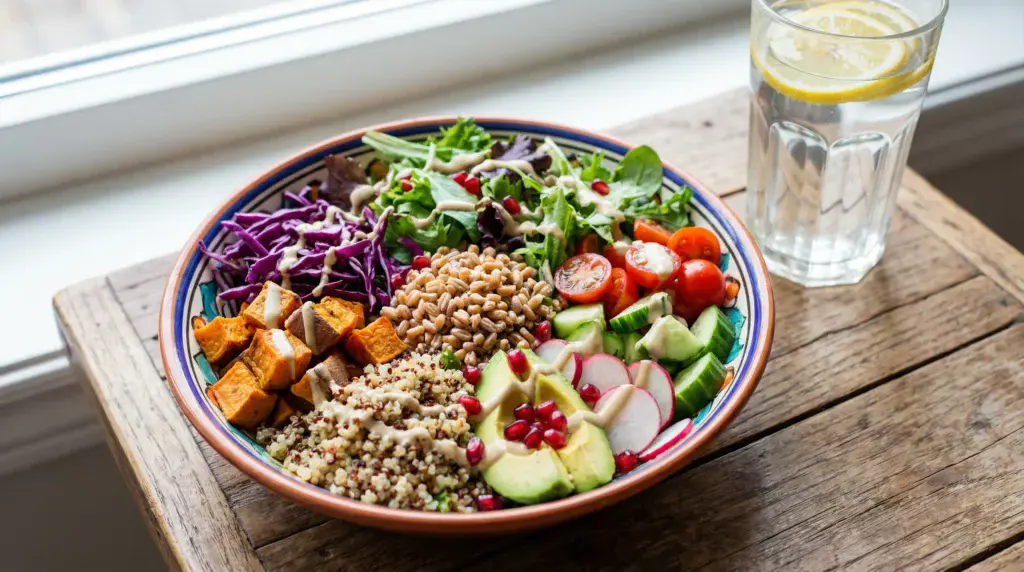

Starting a new diet feels like a huge step sometimes, especially when you’re not even sure where to begin. With so many methods, fads, and rules floating around, it can get pretty overwhelming if you try to change everything all at once. I’ve been through the ups and downs of making healthy changes, so here I’ll share some honest, straightforward advice on how to start a diet in a way that works in real life, not just in theory. Real people need real solutions, so let’s get into it.
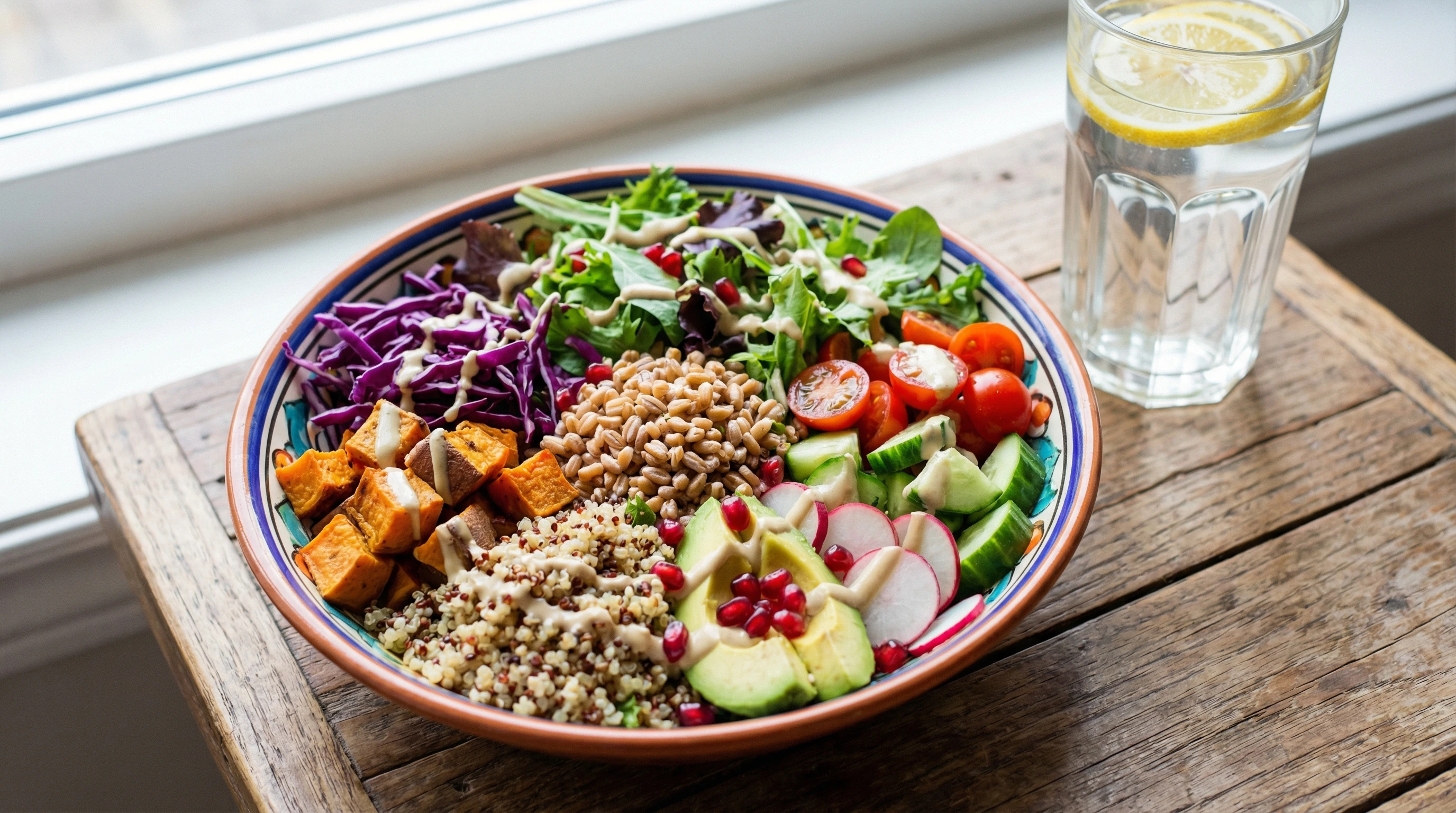
Understanding Why You Want to Start a Diet
Before jumping into diet plans and shopping lists, knowing your own reasons for wanting to change the way you eat is super important. Maybe you want to shed a few pounds, feel more energetic, manage a health issue, or just eat a bit better overall. Being clear about your goals helps make the process a lot more personal and keeps motivation up when you hit rough patches. Plus, knowing your “why” can help you pick a plan that really fits your actual life, rather than one that’s unrealistic.
Spend a moment reflecting on what specifically makes you want to get healthy. Sometimes, writing it down helps you spot your true motivation. For many, it’s not just about the scale but feeling better about themselves, having more stamina for daily life, or wanting to show up for loved ones. When you get honest about your reasons, you’ll find your plan is much easier to stick with over time.
Basic Steps for Getting Started With a Diet
Dieting isn’t just about cutting calories or obsessing over numbers. It’s more about building small, realistic habits that you can stick with over time. Here are the practical steps I recommend for anyone wanting to start:
- Set Realistic Goals: Aim for changes you know you can actually keep up with, like eating more veggies or drinking more water, rather than promising yourself you’ll never eat dessert again.
- Pick a Style That Fits Your Life: Instead of hopping onto the latest trendy diet, think about what makes sense for you. If you love carbs, lowcarb diets are probably going to make you miserable. If you cook for a family, strict or complex meal plans might not be practical day to day.
- Clean Out Your Pantry: It’s a lot easier to eat better if your kitchen doesn’t have snacks or foods that trigger cravings. Replace them with nutritious snacks, grains, and ingredients you enjoy.
- Make a Simple Meal Plan: Start with a few basic meals you like and work from there. Planning ahead means you’re less likely to reach for junk food on busy days.
- Write It Down: Food logs or tracking apps aren’t everyone’s favorite, but for beginners, they’re pretty handy for catching mindless snacking or portion creep.
- Take It Slow: Overhauling your entire diet in one week is overwhelming and usually doesn’t work for the long haul. Make one change at a time so it feels manageable and you’re less likely to quit.
Remember, none of these steps are set in stone. Adjust them to fit your comfort level and schedule. The goal is to build momentum over time, not to overhaul your life overnight and end up frustrated.
Smart Strategies for Losing Weight
Weight loss is one of the most common reasons people start a diet, so I get asked a lot about the safest ways to lose weight. Here’s what has worked both for me and countless others:
- Eat Mindfully: Slow down at meals and actually taste your food. This habit helps prevent overeating and leads to better satisfaction with less food.
- Balance Your Plate: Meals with protein, some healthy fat, and fiberrich carbs keep you fuller longer and help you avoid blood sugar crashes that lead to cravings.
- Don’t Skip Meals: Skipping meals almost always backfires. You end up hungrier later and more likely to overeat. Stick with regular meals or snacks spaced every few hours to keep energy up.
- Hydrate Like Crazy: If you suddenly feel “hungry” out of nowhere, sometimes it’s actually thirst. Keeping water close by really helps curb unnecessary snacking.
- Watch Out for Liquid Calories: Soft drinks, energy drinks, coffee loaded with cream and sugar, or even fruit juice can add up fast. Sticking mostly to water and unsweetened drinks makes a big difference.
If you’re serious about making these strategies work, try pairing these ideas together. For instance, always drink a glass of water before reaching for a snack—that alone can cut out hundreds of calories per week.
Popular Diet Trends Explained
With so many popular weight loss plans around, it’s hard to know what might work best for you. Here’s a no-nonsense look at the most common approaches I get questions about:
- LowCarb: These diets cut down on breads, pasta, and many grains. They’re not for everyone but can be helpful if you notice carbs make you feel sluggish or super hungry after eating them.
- Intermittent Fasting: This isn’t about what you eat, but when you eat. For example, with the 16:8 method, you fast for 16 hours a day and eat only during an 8 hour window. Some folks like it, others find it tough with a busy schedule.
- Flexible Dieting: Also called “If It Fits Your Macros,” this plan tracks protein, fat, and carbs instead of calories alone. It’s a bit more involved, but some people really enjoy the freedom it brings.
- Mediterranean or PlantBased Diets: These focus on lots of fruits, veggies, grains, and lean meats or plant sources of protein. Usually pretty easy to stick with long term and well studied for health benefits.
It’s important to remember that your personality and lifestyle play a big role in whether a diet trend will work for you. Don’t be afraid to mix elements from different styles until you find what feels sustainable. Some people mix a bit from each to keep things fresh and interesting.
Answers to Common Questions About Dieting
How to lose 20 pounds in a month?
My take: Losing 20 pounds in just a month is a very aggressive goal, and it’s typically not recommended by doctors because it often means going on a crash diet. Rapid weight loss can lead to muscle loss, nutritional deficiencies, or even health complications. A safer, more realistic approach is to aim for 1-2 pounds per week, which is what most experts (like those at the Mayo Clinic and CDC) recommend for lasting results. If you’re determined to see fast changes, focus on eating whole foods, cutting way back on processed foods and sugar, adding in daily exercise, and drinking plenty of water; but do it safely, and consider talking to a doctor or registered dietitian first.
What is the 3 3 3 rule for eating?
My take: The 3 3 3 rule is a meal planning tool that suggests eating three meals a day, waiting about three hours between each meal, and sticking to meals that take about three minutes to prep. It’s a method aimed at keeping your routine simple and your hunger in check. The most important part for beginners is to avoid grazing all day or eating huge meals late at night; steady, balanced meals make it easier to control your portions and cravings.
How can a beginner start losing weight?
My take: For anyone brand new to weight loss, I always suggest skipping fancy meal plans and starting with small habits: swapping soda for water, filling half your plate with veggies, and keeping healthy snacks handy. Move more, even if it’s just a walk after dinner. Don’t stress about perfection—simple better choices most of the time lead to results over weeks and months. Consistency is your friend here.
How to lose 2 pounds a week?
My take: To lose 2 pounds a week, you’ll need to eat about 1,000 calories less per day than you burn through activity and normal metabolism. That sounds like a lot, but you can get there by combining healthy meal swaps (like choosing grilled instead of fried foods), cutting down on sugary snacks, and adding regular exercise. Keeping a food journal is really helpful here, too. Two pounds a week is on the higher end of safe, so it works if you’ve got more weight to lose, but always make sure you’re not skipping meals or under-eating to hit that goal.
Potential Challenges and Smart Solutions
If you’re anything like me, you already know sticking to a diet can get tough. Life happens, and there will be days when you just want to eat comfort food after a long week. Here are a few common hiccups and solid ways to handle them:
- Dealing With Social Situations: It’s totally normal to feel awkward about dieting around friends or family. Don’t be afraid to eat beforehand, bring your own snacks, or politely say no to some foods if you need to.
- Plateaus: Weight loss isn’t a straight line. If your weight stops dropping, try changing up your workouts, adjusting your calories, or making sure you’re genuinely tracking everything as honestly as possible.
- Feeling Deprived: You don’t have to cut out all your favorites. Build them into your plan every now and then, just in smaller portions. That way, you’re way more likely to stick to your goals over time.
Making Dieting a Lifestyle (Not a Temporary Fix)
Shortterm diets work for shortterm results, but lasting change comes from building habits around healthy eating. When the diet feels more like your normal life, it’s way easier to keep the weight off or stick to healthy goals. Swap the “all or nothing” mindset for one that’s flexible, and you’ll find that a healthy body feels a lot more doable and less stressful.
To truly make these habits stick, include your family or friends if you can, so it feels less isolating. Keep in mind that slipups are normal and don’t mean failure; they’re simply part of learning what works for you.
Tips and Tools That Make Dieting Easier
Tons of apps and gadgets promise to make dieting a breeze, but you only need a few to get started:
- Honestly, using your phone’s notes app or a paper journal for tracking your food can be really effective.
- Simple kitchen scales or measuring cups help with portion sizes.
- Online recipes and meal planning sites like EatingWell, BBC Good Food, or MyFitnessPal are super useful if you want healthy meal ideas.
A support system—whether it’s a family member, friend, or online group—also does wonders for accountability. If you slip up (because everyone does), just pick up where you left off. Progress isn’t about being perfect, but about being persistent. Find what works, repeat it, and use setbacks as a chance to jump back into good habits instead of giving up completely.
Takeaway: Building Healthy Habits for the Long Term
Starting a diet starts with understanding your personal motivation, setting small achievable goals, and building on consistent habits. When you create routines that feel realistic instead of restrictive, you’re way more likely to make healthy changes that actually last. Don’t be afraid to ask questions, try different approaches, and tweak what isn’t working; your body and lifestyle are unique, so your diet plan should be too. Stay curious, keep learning, and remember, the ride to a healthier you is one step at a time.