

Lowcarb diets have stayed a conversation starter at just about every friend group brunch or office lunch I’ve joined over the years. While the lowcarb trend was once all about Atkins, now in 2026, it’s got all sorts of names and flavors: keto, paleo, carb cycling—you name it. There’s a lot of info out there, so I’m digging into some of the biggest myths and common questions that keep popping up as more people try (or ditch) cutting carbs.
Understanding the Basics of Lowcarb Diets in 2026
Lowcarb diets are really popular, but that doesn’t mean everyone’s on the same page about what “lowcarb” even means. Most versions cut daily carbs down below 100–150 grams, though some, like strict keto, drop as low as 20–50 grams per day. Vegetables, protein, and fats get bumped up to “main event” status on your plate. It’s still all about balance, but getting clear on what foods you’re swapping can help dodge confusion and frustration.
Even with all the options, carbs aren’t the enemy. Not all carbs are created equal, and knowing the difference can help people dodge those myths that just won’t go away. In fact, smart carb choices can help with mood support, maintaining steady energy, supporting exercise, and even long-term brain health.
Common Lowcarb Diet Myths (And What You Should Actually Know)
- Myth 1: All carbs are bad for weight loss.
Carbs get a bad rap, but fiberrich whole grains, fruits, and veggies offer steady energy and actually help some people with weight management. The real issue for many is with highly processed carbs and sugar. - Myth 2: Lowcarb means zero carbs.
Nobody needs to cut out every carb. Completely eliminating all carbs can actually lead to nutrient gaps and less energy. Most lowcarb plans just mean finding where you can slash empty carbs without ditching the good stuff. - Myth 3: You can eat unlimited bacon and cheese.
Who doesn’t love cheese? But eating only fatty cuts of meat and cheese day after day isn’t the healthiest idea. A real foodfocused lowcarb diet is still balanced: think leafy greens, lean proteins, and lots of colorful veggies. - Myth 4: Lowcarb diets are bad for heart health.
New research shows lowcarb diets can be heartfriendly if they aren’t packed with processed meats and unhealthy fats. Picking healthy fats—like olive oil and avocado—makes a big difference.
Top Carb to Avoid for Belly Fat
When people ask, “What’s the worst carb for belly fat?” I think of sugarpacked drinks—soda, sweetened coffee drinks, and fruit juices. These drinks have a habit of stacking on belly fat, since the fast sugars spike insulin and aren’t filling at all. Swapping these out is usually one of the fastest ways to see changes around your waistline.
Refined grains (white bread, pastries) also rank high on the “skip for belly fat” list. These break down quickly in your body and don’t really offer much besides calories. Replacing white rice and pasta with brown rice or whole wheat options can be an easy and sustainable tweak.
Why Are More People Quitting Keto?
Keto had its heyday, but many folks are quitting for a few reasons. The diet can be really tough to follow long-term. You’re constantly checking labels and turning down foods at social events, which gets exhausting. Also, some people notice side effects after a few weeks: crankiness, digestive trouble, low energy, or just missing fruit and whole grains in general.
The cost of stocking up on ketofriendly specialty foods isn’t great for everybody’s budget, either. Plus, if you go really low on fiber, gut health can take a hit. A lot of people switch from keto to moderate lowcarb because it’s easier to stick with, still offers results, and doesn’t feel so restrictive.
It’s not just cravings—many people find keto can be socially isolating, and it makes travel or meals with family difficult. That’s why the trend in 2026 seems to be more about a flexible lowcarb lifestyle rather than strict keto rules. Moderation and balance, instead of food guilt, have become the themes for lowcarb success.
The 3 3 3 Rule for Eating Explained
I’ve seen the “3 3 3 rule” for eating talked about more lately, especially in health circles online. This quick rule is about spreading out your nutrients to keep energy balanced and cravings down. Here’s what it usually means:
- 3 meals a day, which helps keep your blood sugar steady.
- 3 food groups per meal—think protein, healthy fat, and nonstarchy veggies.
- 3 hours between meals, which prevents constant snacking and lets your body digest.
It’s not a hard and fast rule, but more of a simple way to add structure, especially with lowcarb eating. It helps make sure you’re getting enough variety and avoids back-to-back snacking on carbheavy foods.
Foods That Are Off-Limits on Lowcarb Diets
Certain foods are best avoided (or only enjoyed on rare treat days) if you’re keeping carbs in check. Here’s a quick guide to what’s off the table for most people doing lowcarb:
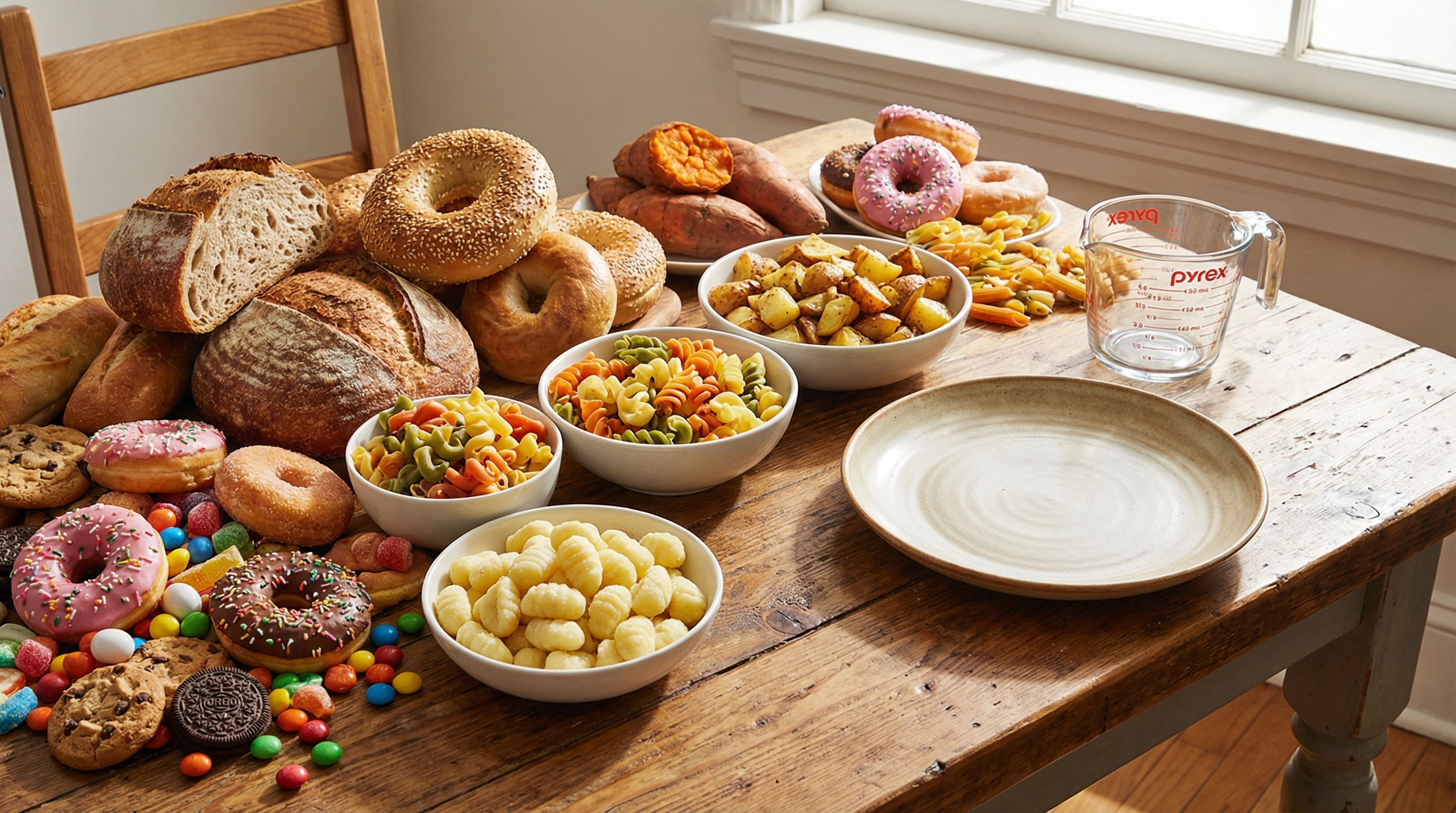
- Sugary foods: Candy, pastries, cookies, and most breakfast cereals have super high sugar content.
- Sweet drinks: Regular sodas, sports drinks, and energy drinks sneak in more carbs than you think.
- White grains: White bread, regular pasta, and white rice break down fast into sugar.
- Most chips and crackers: Crunchy, salty snacks are usually made with refined flours and add up quickly.
- Traditional bakery items: Muffins, donuts, and cakes have both sugar and refined flour for a doublecarb hit.
That doesn’t mean every carby food is banned forever. Many lowcarb followers include small portions of fruit, beans, or whole grains from time to time, with most of the plate filled by veggies, protein, and healthy fats.
Starting a Lowcarb Diet: What You Should Consider
Jumping into a lowcarb diet takes some planning. Going all in without preparing can lead to headaches, cravings, and even mood swings as your body adapts. Here are a few things I always recommend keeping in mind:
- Check with your doctor if you have any health conditions or take medication (especially for diabetes or high blood pressure). Changes in diet can affect how meds work.
- Batchcook proteins and veggies so you always have easy meal options on hand; crisis averted when you’re tired or rushed.
- Replace—not just remove—carbs. If you cut carbs but don’t fill your plate with tasty, nutrient-rich stuff, you’ll feel like you’re missing out.
- Have a carb reintroduction plan if you take breaks. Spiking carbs suddenly after a long period down low can bring back cravings fast.
Getting Over Common Lowcarb Hurdles
- Dealing with cravings: Find lowcarb swaps like roasted nuts, cheese, or veggie sticks with dip to get through the rough patches.
- Low energy in week one: This is normal. Adding a pinch of salt or a cup of broth sometimes helps as your body adjusts (that’s the famous “keto flu”).
- No need for fancy products: Focus on real food. Fancy lowcarb shakes and bars can work in a pinch but don’t need to be your mainstay.
If you’ve had issues with restrictive diets in the past, it may help to keep track of how you’re feeling, both mentally and physically. Lowcarb plans can look very different for each person, and tweaking goals as you get feedback from your body helps make the ride much smoother. Creating a supportive environment by inviting family members or friends to jump in with you can also build motivation and accountability.
Taking Up Your Lowcarb Game: Pro Tips and FAQs
Once things start feeling routine, some small changes can really help you stick with lowcarb living in a long-term, healthy way:
- Eat the rainbow: Go for lots of color in your veggies and fruit. You get a better mix of nutrients, plus your meals look way more appetizing.
- Plan for social outings: Check menus ahead or bring a shareable lowcarb dish when hanging out with friends.
- Stay hydrated: Lower carb intake helps your body flush out water quicker, so drink up through the day.
- Keep up with regular movement: Walking or basic strength routines work fine. Physical activity is great for metabolism and mood, regardless of your carb count.
Don’t forget about sleep! Eating lowcarb can be a great tool, but getting good rest and managing stress play a huge role in appetite and progress.
Frequently Asked Questions About Lowcarb Diets
What’s the best way to start a lowcarb diet?
Swap out sugary foods and drinks for nonstarchy veggies and lean proteins first. Taking it slow helps avoid feeling overwhelmed, and prepping a few good recipes ahead of time can save you stress.
Is it safe to eat lowcarb for a long time?
For most people, moderate lowcarb eating fits into a healthy lifestyle. If you have a medical condition or experience unusual fatigue, always check with your healthcare provider for personalized advice.
Can you build muscle on a lowcarb diet?
Absolutely. It just takes a bit more attention to proteins and enough total calories. Many athletes adjust carb intake around workouts without doing strict keto.
Do I have to count every carb?
Some people track their carb intake daily, especially at the start, but once you get a feel for what works, relaxed tracking works too. It’s about what’s sustainable for your routine and mindset.
Wrapping Up: Lowcarb Diets, Myths, and Smarter Eating in 2026
Lowcarb diets in 2026 have come a long way, but smart planning and knowing how to spot diet myths go a long way. Focusing on whole, real foods instead of chasing trends always pays off in my experience. The less stressful you keep your approach, the more likely you’ll find something that fits your life—without having to give up bread forever. And with health trends continuing to shift, flexibility and consistency seem to be the most powerful tools for staying fit, eating happy, and making your lowcarb adventure last.