
Meal planning makes intermittent fasting a lot easier, whether you’re just giving it a try or you’re already following a fasting routine. Figuring out what and when to eat can take some of the guesswork and stress out of the process. I’ll walk you through practical ways to plan meals for different types of intermittent fasting, making it simple, approachable, and actually enjoyable.
Getting Started: Why Meal Planning Helps with Intermittent Fasting
Jumping into intermittent fasting can feel like a big switch up, especially if you’re used to snacking all day or eating whenever you feel like it. I’ve found that meal planning helps reduce impulsive eating and keeps me focused during my fasting window. It also means I’m less likely to grab junk food or extra snacks, and shopping is way more efficient when I know exactly what I need for the week.
Organizing my meals around fasting windows takes the pressure off last minute decisions. It boosts your chances of sticking to the plan and reaching your goals, whether you’re fasting for weight loss, better energy, or just trying to develop a new routine.
Common Intermittent Fasting Schedules You’ll See
Intermittent fasting isn’t one size fits all. Different routines work for different people, and if you’re new, picking the right one can make the whole thing feel a lot easier. Here are a few popular options:
- 16:8 Method: Fast for 16 hours, eat within an 8 hour window.
- 5:2 Diet: Eat normally for 5 days a week, restrict calories (usually 500-600) for 2 days.
- Alternate Day Fasting: Eat one day, fast or eat very low calorie the next.
- One Meal a Day (OMAD): Fast all day, eat one meal in a one to two hour window.
Schedules like these help set clear rules, so you know when you’re eating and when you’re not. Trying one for a week or two is often the best way to see what feels right.
The 3-3-3 Rule, The 5 1 1 Rule, and The 5:2 Method Explained
Some fasting guidelines you’ll hear about sound a bit mysterious at first. Here’s what these popular terms mean:
What is the 3-3-3 Rule for Eating?
The 333 rule isn’t a formal fasting protocol, but it does show up in nutrition discussions. It refers to dividing your plate into thirds: one third protein, one third vegetables or greens, and one third carbohydrates (like rice, potatoes, or bread). It’s a simple way to create balanced meals that give you fiber, energy, and protein without much thought. I use the 333 idea when prepping for my fasting windows, so my meals keep me feeling full longer.
What is the 5 1 1 Rule for Fasting?
The 5 1 1 rule is a weekly approach. You eat normally for five days, do one day of a stricter fast (like only water or consuming very few calories), and use the last day for a modified fast (like lighter meals or plant based foods only). It’s a flexible option for anyone not wanting to restrict themselves every day but still wants the benefits that come with fasting style eating.
What is the 5:2 Rule for Intermittent Fasting?
The 5:2 method is pretty popular and straightforward. Eat what you’d normally eat for five days out of the week. On the other two days, drop your calorie intake to around 500-600. You don’t have to do these two days back to back; some people find it easier to space them out (like Monday and Thursday). It gives you a break from daily restriction but still brings the perks of intermittent fasting.
Planning Your Meals: What to Eat and When
Knowing what to eat makes fasting smoother and more sustainable in the long run. I usually focus on foods that offer protein, healthy fats, and fiber, so I don’t get hangry two hours into my eating window.
- Break-fast meal: Lean protein (chicken, eggs, tofu), veggies (salads, roasted veggies), and a complex carb (quinoa, whole wheat toast, brown rice)
- Snacks: Nuts, Greek yogurt, apple slices with almond butter, or hummus with cucumbers
- Dinner: Salmon or lentil stew, lots of greens, and roasted sweet potatoes or whole grains
Sticking to the 333 rule with every meal keeps your portions balanced, so you’re getting steady energy and enough nutrients to keep your cravings in check. Adjusting for your own taste is totally fine; the point is to have a plan, so you don’t end up eating junk food when the fasting window closes.
What Should My First Meal Be When Intermittent Fasting?
After fasting, your first meal should be fairly light but filling, not something super heavy. I recommend breaking your fast with a mix of protein and fiber—think eggs and sautéed greens, or Greek yogurt with berries and a sprinkle of seeds. Including healthy fats like avocado or nuts helps keep you satisfied, and skipping loads of processed sugar prevents energy crashes. Staying hydrated with a glass of water before you eat your first bite is also helpful.
Steps to Successfully Meal Plan for Intermittent Fasting
Setting up your meal plan is pretty straightforward, but paying attention to the details can make the difference between success and frustration. Here’s how I usually plan out my week:
- Pick Your Fasting Schedule: Decide if you want to do 16:8, 5:2, or another style. Base it on your work, family life, and what feels the most sustainable for you.
- Set Your Eating Window: Choose your eating hours (for example, noon to 8 PM).
- Make a Simple Menu: Write down exactly what you plan to eat each day, using the 333 rule as a template for your main meals.
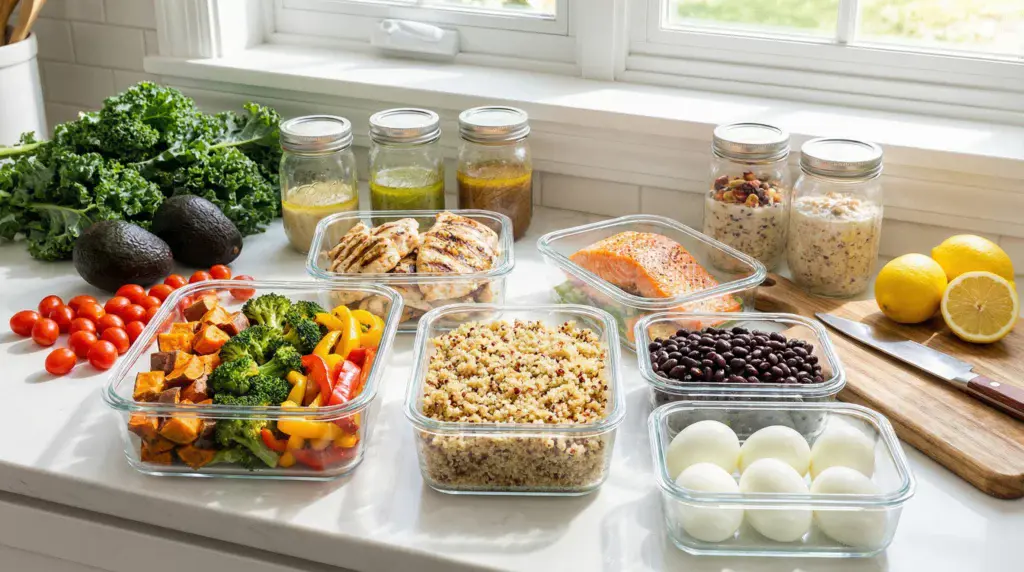
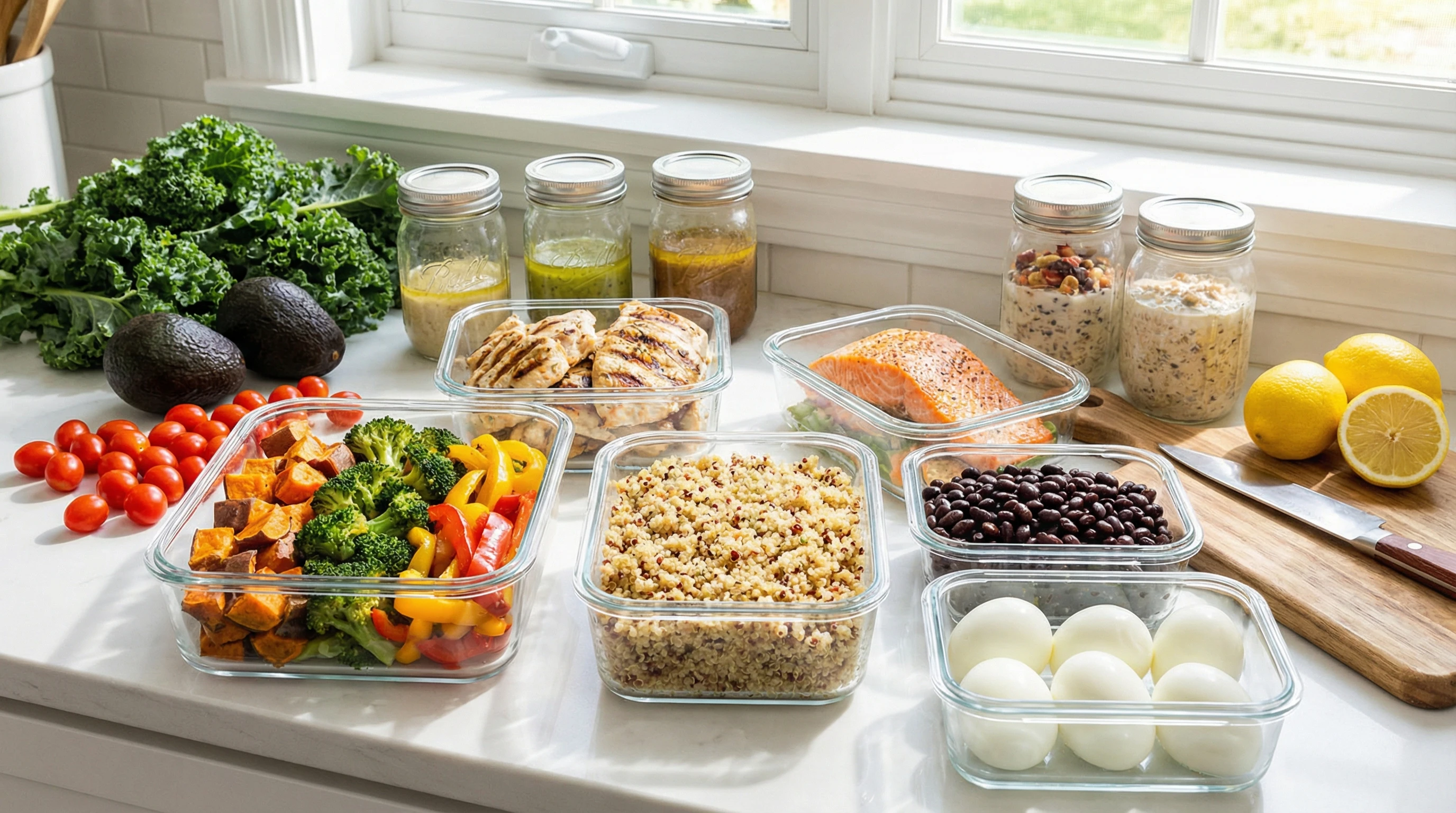
- Meal Prep: Chop, cook, and store meals ahead of time; having these on hand makes sticking to your plan so much easier.
- Review and Adjust: Take notes about what worked and what felt tough. Adjust your eating window, meal sizes, or food choices as you learn what keeps you feeling your best.
If you want to make meal planning even simpler, try meal prepping in batches for several days at a time. Portion meals into containers for grab and go convenience, and don’t be afraid to repeat meals during the week to minimize cook time. Making grocery lists ahead of time based on your plan also helps you stay on track and avoid impulse purchases in the store.
Tips to Handle Challenges with Intermittent Fasting Meal Planning
No meal plan goes perfectly every week, but a few tricks make the whole thing more manageable:
- Avoid Overeating: When your window opens, start with a small, balanced plate. Wait 20 minutes before deciding if you really need seconds.
- Stay Hydrated: Water, herbal tea, and black coffee can all keep you feeling satisfied during your fasting hours. Sometimes, hunger is just thirst in disguise.
- Plan Social Events: If possible, schedule your eating window to overlap with social events or family meals, so you don’t have to choose between fun and sticking to your plan.
- Batch Cooking: Cook proteins and veggies in bulk early in the week, so it’s easy to mix and match meals without daily prep work.
- Add Variety: Mix up your menu, so you don’t get bored. Swapping chicken for tofu or sweet potatoes for brown rice every so often goes a long way.
Remember to listen to your body and make swaps based on what works for you. If you start craving certain foods or need extra snacks to feel satisfied, you can adjust your menu without losing sight of your overall goal. Having a flexible mindset is just as important as having a prepared fridge.
External Factors to Keep in Mind
Holidays, travel, and just busy days can totally throw your fasting plans. If you slip up, don’t beat yourself up. Just get back on track at your next meal or fasting window. Flexibility is really important for making intermittent fasting a lasting habit.
Practical Examples: Typical Day of Meal Planning for Different Fasting Routines
Example: 16:8 Schedule
- 12:00 PM (First Meal): Greek yogurt with berries and seeds, side of avocado toast
- 2:30 PM (Snack): Apple slices with peanut butter
- 5:00 PM (Dinner): Grilled chicken breast, steamed broccoli, quinoa
- 7:30 PM (Snack/light meal): Roasted chickpeas, carrot sticks
Example: 5:2 Schedule (Low Calorie Fasting Day)
- 10:00 AM: Black coffee or green tea
- 12:00 PM: Veggie omelet with spinach and mushrooms (about 150 calories)
- 3:00 PM: Salad with grilled shrimp and vinaigrette (about 200 calories)
- 6:30 PM: Broth based veggie soup (about 150 calories)
Frequently Asked Questions
What’s the best way to break a fast?
Go for simple combinations of protein, fiber, and healthy fats. Something small and nourishing gives your body a gentle start and steady energy. Heavy or greasy foods can leave you feeling sluggish or even upset your stomach.
Can I work out while fasting?
Light exercise (like walking or stretching) is usually fine, and some people find they can do more intense workouts once their body is used to fasting. It’s best to listen to your body; don’t force it if you feel dizzy or lightheaded. If you need to, schedule your workouts during your eating window.
Will intermittent fasting make me lose muscle?
If you focus on getting enough protein and keep up with strength training, fasting is unlikely to make you lose muscle mass. Planning meals to include lean meats, tofu, eggs, and legumes helps keep your muscles happy.
Last Thoughts on Meal Planning for Intermittent Fasting
Starting intermittent fasting with a solid meal plan helps you feel prepared and takes away much of the stress. Balancing meals, knowing what your first meal should be, and picking a fasting style that really fits your lifestyle makes sticking with fasting a whole lot more doable. Making it easy, tasty, and flexible has always worked best for me, and it usually pays off for others too. Give yourself permission to test different styles, and you’ll figure out what makes you feel your best!