


The Mediterranean diet has been a favorite among nutrition experts and foodies for good reason. It’s not really a “diet” in the strictest sense, but more of a flexible approach to eating that’s all about enjoying wholesome, tasty food in a balanced way. People from regions bordering the Mediterranean Sea, like Greece, Italy, and Spain, have been eating this way for generations, and their rates of heart disease and chronic illness tend to be lower. That’s pretty encouraging if you’re looking to make a switch up toward more healthy food choices without feeling restricted or bored.
Why Mediterranean Food Swaps Matter
Switching up your usual go-to foods with Mediterranean-inspired options can make meals more flavorful and better for your health. A traditional Mediterranean meal plan features lots of plantbased ingredients, simple swaps for processed snacks or meats, and healthy fats instead of heavy creams or butter. Even if you’re not ready to change everything at once, trying a few swaps here and there really adds up over time.
These swaps fit easily into daily routines, and they don’t push you to give up the foods you love. Sometimes, it’s just about swapping in a slightly different ingredient or cooking method. I find that even people who think “healthy food” is bland are often surprised by the bold flavors in Mediterranean recipes.
Mediterranean Diet Basics: What Makes It Different?
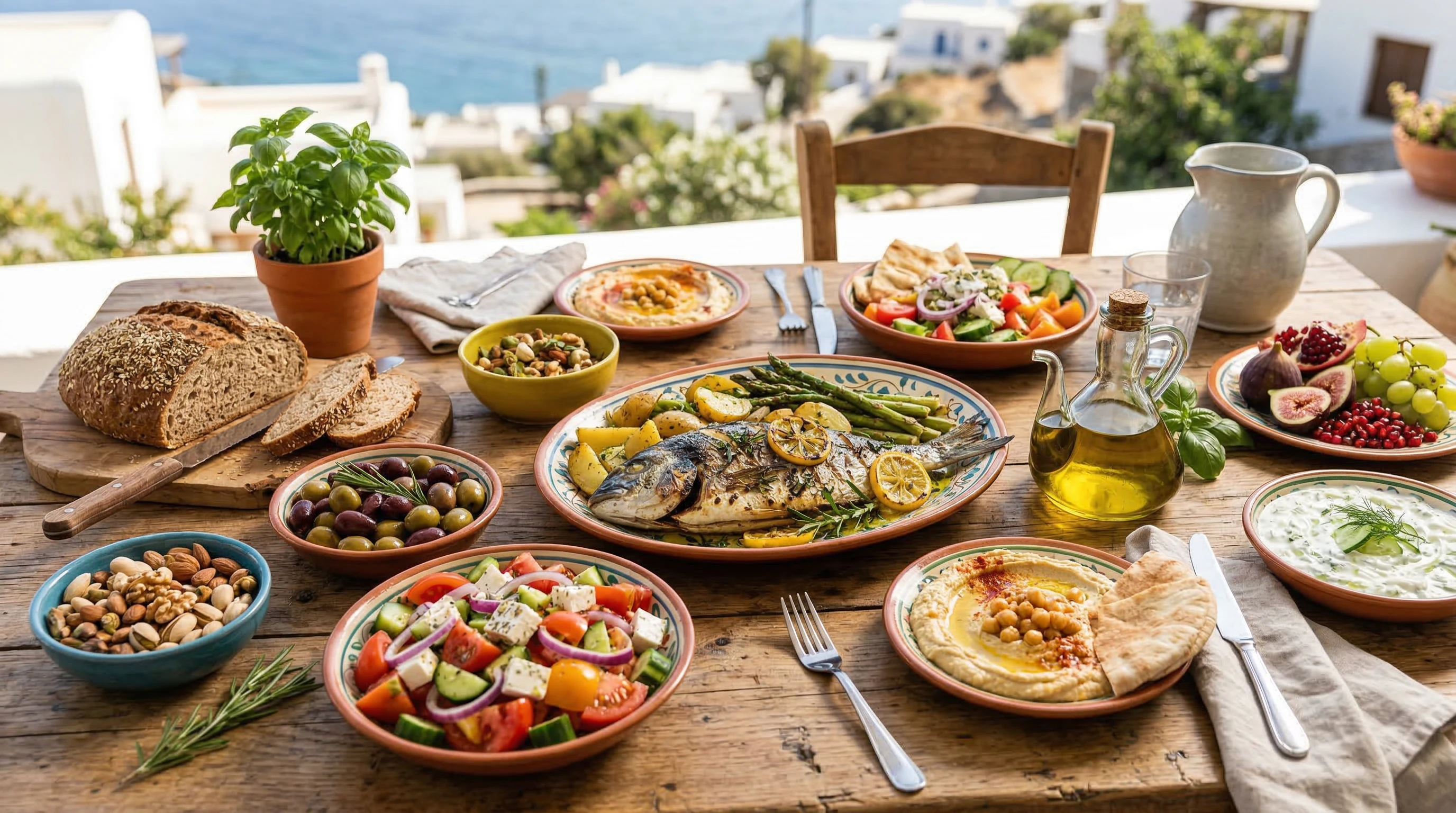
The Mediterranean diet centers around fresh fruits and veggies, whole grains, nuts, seeds, seafood, and healthy oils. It offers plenty of variety, which means it doesn’t get old fast. Here’s what you’ll usually find in a classic Mediterranean meal plan:
- Vegetables and Fruits: Eaten with most meals, sometimes even at breakfast.
- Whole Grains: Think brown rice, farro, bulgur, or hearty wholegrain bread.
- Lean Proteins: Lots of legumes, chickpeas, fatty fish (like salmon), and some poultry.
- Healthy Fats: Primarily olive oil, but also nuts and seeds.
- Unprocessed Dairy: Foods like plain Greek yogurt or fresh cheese, in moderate amounts.
- Herbs and Spices: Basil, oregano, garlic, and mint boost flavor so you’re not relying on salt.
Most processed foods, red meats, and added sugars take a back seat. The focus goes toward adding flavor with real ingredients, not artificial extras or heavy sauces.
Smart Mediterranean Food Swaps Anyone Can Make
Here’s where it gets practical. I love simple swaps because they’re easy to remember and don’t feel like a big deal in daily life. Here are some ideas you might want to try at home, whether you’re making dinner for yourself or packing lunches for the week.
- White Rice → Farro, Quinoa, or Brown Rice: These whole grains have more fiber and nutrients than plain white rice, and they add a nutty texture that works with salads or warm dishes.
- Butter or Cream → Extra Virgin Olive Oil: When roasting, sauteing, or drizzling over veggies, swap out butter for olive oil. It’s hearthealthy and brings loads of flavor.
- Red Meat → Beans, Lentils, or Fresh Fish: Replace beef or pork in chili, soups, or stews with legumes or fish. Even one or two plantbased dinners a week can feel refreshing.
- Sugary Snacks → Fresh Fruit and Nuts: Instead of cookies or sweet pastries, go for a combo of berries, orange slices, and a handful of almonds. It’s simple but satisfying.
- Regular Bread → Wholegrain or Sourdough Bread: Thick slices of wholegrain or naturally leavened bread keep you full longer and help manage blood sugar.
- Creamy Dressings → Lemon and Olive Oil Vinaigrette: Whisk together olive oil, lemon juice, and a pinch of salt for a zesty and lighter salad dressing.
Getting Started With Mediterranean Meal Plans
Having a meal plan makes it much easier to stick with new habits. The Mediterranean diet makes use of simple recipes, a weekly routine, and plenty of fresh food prep. I often create a basic meal plan at the start of the week, focusing on batchcooking grains or preparing a few versatile sauces to make healthy eating quick and appealing.
Some things that help:
- Pick three veggies to highlight for the week and rotate them across meals.
- Cook a batch of farro or quinoa to add to salads or bowls whenever you’re hungry.
- Keep canned beans, chickpeas, and wholegrain bread handy for last minute meal ideas.
- Set aside a couple of go-to Mediterranean recipes, like Greek salad, roasted vegetable bowls, or fresh tomato sauces, for busy days.
If you ever feel stuck or short on time, there are healthy meal delivery services that focus on Mediterranean meal plans. These can be pretty handy for those just getting started or anyone who wants fresh meal ideas without all the shopping and prepping. Several companies now offer tasty prepared dishes inspired by the Mediterranean diet, with creative, veggiepacked options each week.
Mindful Eating and Mediterranean Habits
The Mediterranean diet isn’t just about ingredient swaps. There’s a whole lifestyle piece too, and mindful eating is a big part of it. Eating mindfully means tuning in to your hunger cues, focusing on the experience of eating, and enjoying meals with friends and family. This approach helps prevent overeating and creates a more positive relationship with food.
Slowing down at mealtime makes it easier to notice flavors, textures, and when you’re feeling satisfied. It’s also a great way to cut some of the stress from everyday life. Sitting down for a meal, even for ten minutes, can be a nice daily ritual. In Mediterranean cultures, meals are seen as social occasions. Sharing food with others, engaging in conversation, and appreciating fresh, seasonal ingredients is part of the experience. This social aspect often gets overlooked in most modern diets but is central to why many people find Mediterranean eating satisfying even in the long term. When you enjoy food in good company, it becomes less about restriction and more about living well.
Popular Recipes to Try At Home
Jumping into Mediterranean recipes is actually a lot easier than some people expect. I love how most recipes use basic, affordable ingredients, and they rarely require fancy gadgets or a ton of cleanup. Here are a couple of favorites I keep on repeat:
- Classic Greek Salad: Chopped cucumber, tomatoes, red onion, kalamata olives, feta cheese, and a good drizzle of olive oil with lemon juice. Super refreshing, especially during summer.
- Lentil Soup: Simmer carrots, celery, onions, garlic, tomatoes, and lentils in vegetable broth with a sprinkle of cumin and coriander for a hearty meal.
- Grilled Salmon or Sardines: Seasoned with lemon, oregano, and olive oil, then grilled or baked. Serve over greens or with wholegrain bread.
- Caprese Salad: Tomato, fresh mozzarella, basil, olive oil, and a splash of balsamic vinegar make for a perfect appetizer or snack.
- Roasted Veggie Bowls: Toss your favorite veggies (eggplant, peppers, zucchini) in olive oil, roast until caramelized, and serve over farro or brown rice with a dollop of Greek yogurt.
Loads of sites and cookbooks are packed with even more creative Mediterranean recipes. When searching for new healthy food ideas, terms like “Mediterranean diet recipes” or “easy Mediterranean dishes” will bring up a ton of inspiration. If you’d rather get guidance step by step, several cookbooks break it down for firsttimers and offer shopping lists, meal prepping tips, and pantry staples to have on hand. Cooking Mediterranean style doesn’t mean you need to overhaul your kitchen—just look for meals built on whole ingredients, fresh flavors, and herbs.
What to Consider Before You Start Swapping Foods
It’s always helpful to take a quick inventory of your kitchen before jumping into new food habits. Making healthy swaps works best when you have the right basics on hand and a sense of what foods you reach for out of habit. Here are a few things that make the transition smoother:
- Stock up on essentials: olive oil, canned beans, dried herbs, frozen veggies, and good bread.
- Read labels if you buy premade or packaged foods; some “Mediterranean” products sneak in added sugars or unhealthy fats.
- Keep fresh lemons, parsley, or mint on hand. They pretty much work with any Mediterraneaninspired recipe and brighten up flavor instantly.
- Try not to overhaul everything at once. Swapping one or two foods a week is more sustainable and still brings big benefits over time.
It helps, too, to involve your family or whoever eats with you. Get them to pick out a new vegetable or ingredient to try each week, or let everyone vote on a Mediterranean dish to put on the menu. Kids often enjoy hands-on food, like building their own pita wraps or mixing up a Greek salad. Making changes together keeps things interesting and can help everyone stick with it.
Frequently Asked Questions
What are some healthy meal delivery options for the Mediterranean diet?
Many healthy meal delivery services now offer Mediterranean meal plans with plenty of veggies, grains, and fresh fish. Companies like Sunbasket, Green Chef, and Fresh n’ Lean all have menus inspired by the Mediterranean approach. These are pretty useful for busy weeks or if you want to try out new Mediterranean recipes without extra shopping or meal prep. Some services also make it easy to customize the menu to fit your dietary needs, like lowering sodium or glutenfree options.
How can I set up my own Mediterranean meal plan?
Create your plan by choosing dishes that use whole grains, colorful veggies, beans or fish, and healthy fats. Block out a few nights a week to try Mediterranean recipes, and keep your kitchen stocked with Mediterranean essentials. It helps to prep grains or salads in advance so you’re ready to build meals on the fly. If it feels overwhelming, look for sample meal plans online or use an app to organize your shopping list and prep schedule.
What’s different about mindful eating with the Mediterranean diet?
Mindful eating is a big part of the Mediterranean lifestyle. It focuses on slowing down, noticing your food, and enjoying the eating experience. Instead of eating quickly or while distracted, this approach encourages sharing meals with others, sitting down to eat, and using all your senses to appreciate each bite. This helps people feel more satisfied and appreciate food as more than just fuel for the day.
Are Mediterranean recipes hard to make at home?
Not at all. Most Mediterranean recipes are simple and super forgiving. Classic dishes are built on seasonal produce and don’t require a lot of technique. Lots of healthy food blogs and Mediterranean cookbooks offer recipes for all skill levels, from beginner to advanced home cooks. Once you get used to the basic flavors, you’ll be able to mix and match ingredients for your own speedy Mediterraneaninspired meals.
Can the Mediterranean diet really help improve health?
With decades of research showing connections to lower heart disease risk, better weight management, and even improved mood, adopting a Mediterraneanstyle eating pattern is worth checking out. Even small changes and swaps can have a positive effect on your health in the long run. Many doctors and dietitians speak up for this way of eating since it lets people enjoy a wide range of foods while still making choices that support overall health.
No matter where you are on your food adventure, switching up some meals to follow this popular style can bring a little more flavor and balance to your daily routine. The Mediterranean way is flexible—you can start small and pick up more habits as you go. Wrapping up, give these food swaps a shot and see how much fun healthy eating can really be!


