
If you’ve been reading up on ways to keep your heart in top shape, odds are you’ve run into the Mediterranean Diet. Doctors, researchers, and even everyday folks like me keep coming back to it for its knack for supporting heart health, boosting energy, and making meals genuinely tasty. If you’re curious about how the Mediterranean Diet works for heart health, what foods are and aren’t allowed, and whether there’s anything you should watch out for, I’ve got you covered. Here’s a straightforward, super detailed rundown of what really makes this eating style a good option for your heart.
How the Mediterranean Diet Supports Heart Health
The Mediterranean Diet isn’t really a “diet” in the strictest sense. It’s more like a pattern of eating that centers around plantbased foods, healthy fats (especially olive oil), whole grains, lean proteins, and lots of herbs and spices. Scientists have dug deep into why it works for heart health. It all comes down to helping lower cholesterol, reducing inflammation, and improving blood sugar levels. People who stick with this way of eating tend to see lower risks of heart disease, stroke, and even diabetes.
Cardiologists often recommend the Mediterranean Diet because it’s backed by a ton of research. A classic study published in the New England Journal of Medicine looked at folks at high heart disease risk and found that those following this diet had fewer heartrelated problems. I’ve seen firsthand how swapping in these foods makes a difference; more steady energy, easier weight management, and routine bloodwork that just keeps getting better.
Main Foods Included in the Mediterranean Diet
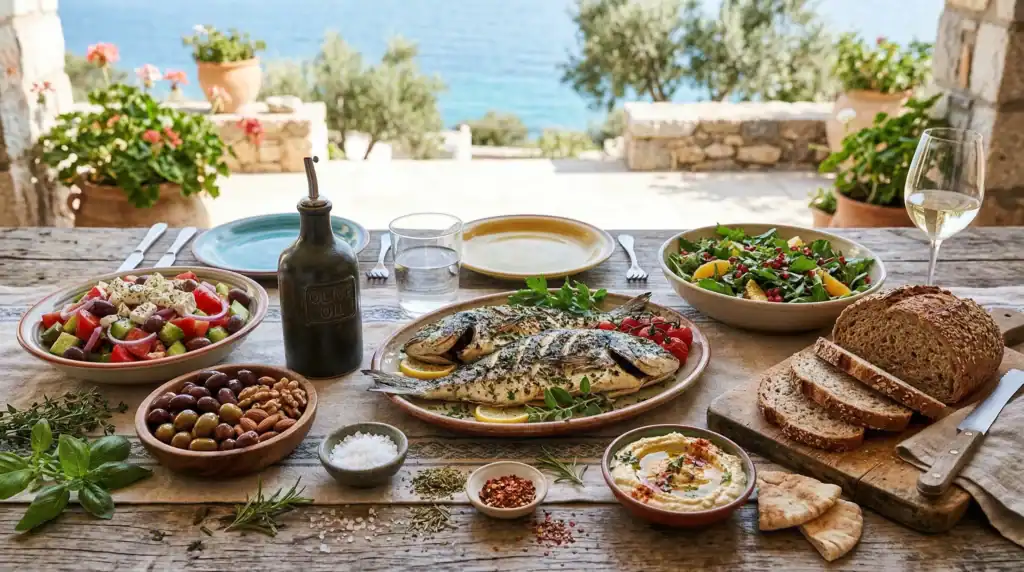
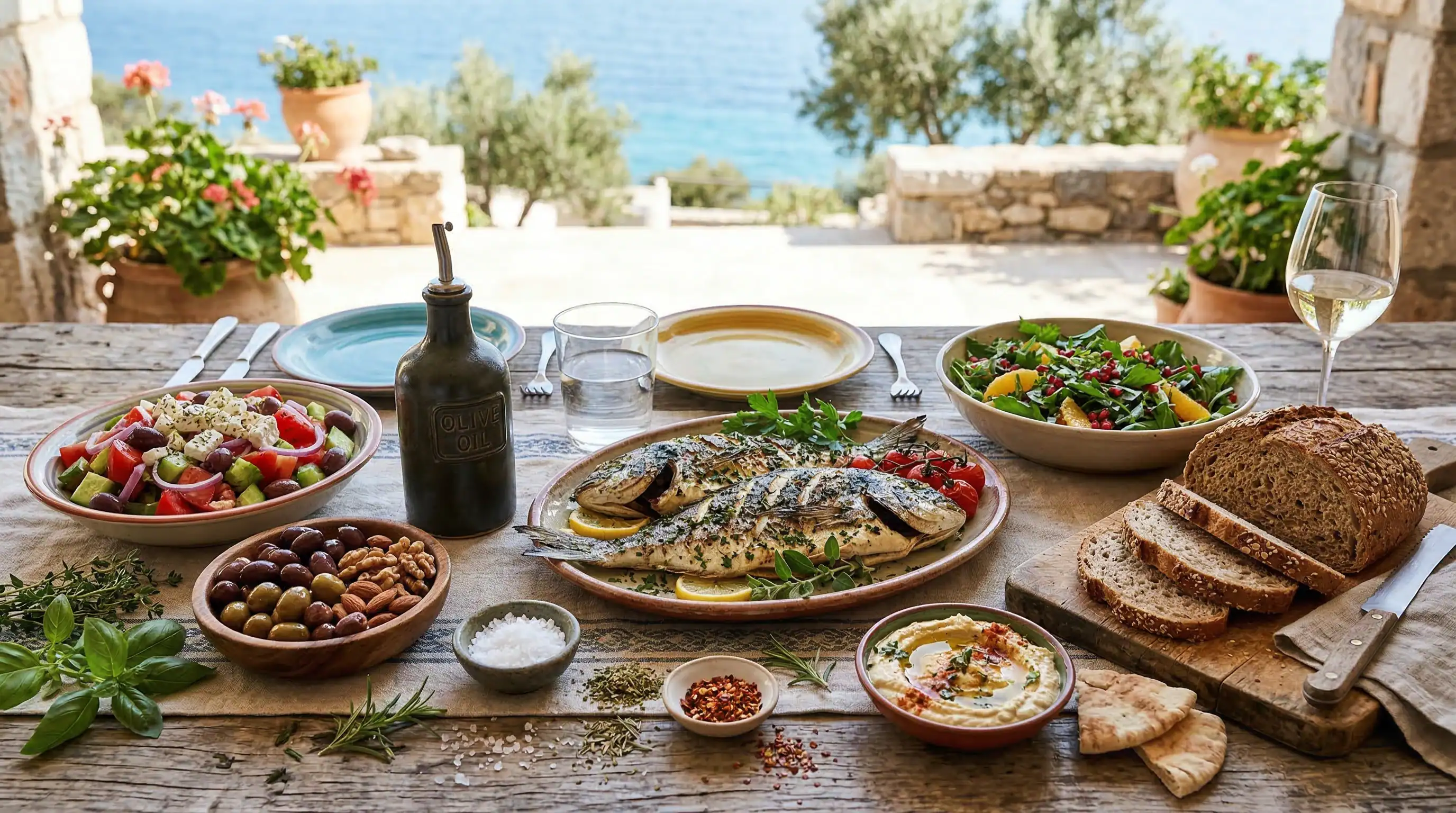
The backbone of this eating style includes lots of vegetables, fruits, legumes (beans, chickpeas, lentils), whole grains, nuts, seeds, and olive oil. Fish and seafood pop up regularly, which is super helpful because they’re loaded with omega3s for heart health. Poultry, eggs, and dairy (like Greek yogurt or cheese) show up in moderation. Red wine isn’t off-limits, just very occasional and in small amounts if you already drink wine.
- Vegetables and Fruits: Fill up on leafy greens, tomatoes, cucumbers, bell peppers, grapes, oranges, and more.
- Whole Grains: Think brown rice, farro, barley, and wholewheat bread or pasta.
- Healthy Fats: The goto is extra virgin olive oil, but nuts and avocado are great too.
- Lean Protein: Focus on fish like salmon or sardines two or three times a week, along with beans or lentils for meatless protein.
- Herbs and Spices: Basil, oregano, rosemary, garlic, and parsley add flavor without the salt.
Variety is key in the Mediterranean Diet. Mixing different vegetables and fruits, trying out new grains like freekeh or bulgur, and using different kinds of beans keeps meals interesting. Snacking on a handful of mixed nuts between meals can satisfy hunger and provide hearthealthy fats without any artificial ingredients. You can also try plantbased spreads, like hummus, made from chickpeas and tahini, as a tasty dip for raw veggies. Keeping a bottle of olive oil within reach makes it easy to drizzle over salads, veggies, or even cooked grains for a simple flavor boost and added nutrients.
What’s Not Allowed on the Mediterranean Diet?
People are often surprised by what’s limited or skipped entirely. The Mediterranean Diet avoids processed foods and unhealthy fats. That means anything made with hydrogenated oils, heavily processed snacks, packaged sweets, and sugary drinks are off the table. Red and processed meats like bacon, hot dogs, and sausage are rare treats, not daily fare. Butter is used very sparingly (if at all), swapped out for olive oil. White bread, refined grains, and things with loads of added sugar (like soda, candy, and pastries) don’t make the cut.
- Processed meats: Bacon, sausage, deli meats
- Refined grains: White bread, white rice, sugary cereals
- Added sugars: Candy, cakes, sweetened drinks
- Butter and margarine: Swapped for olive oil
- Highly processed foods: Snack cakes, potato chips, frozen meals full of additives
If you’re shopping, peeking at ingredient lists and looking for whole, simple foods goes a long way. Most meals end up homemade or built from basic, recognizable ingredients. Choosing real food can help keep your heart and mind strong over the long haul.
Top HeartHealthy Habits from the Mediterranean Lifestyle
Following the Mediterranean Diet isn’t only about switching up foods, it’s about building habits that reinforce heart health every day. These seven simple habits are especially helpful:
- Eat More Plants: Load your plate with veggies, fruits, legumes, and whole grains at every meal.
- Switch to Healthy Fats: Use olive oil for cooking or dressing salads, and snack on a small handful of nuts.
- Pick Fish Over Red Meat: Have fish twice a week or more, and cut back on beef or pork.
- Go Easy on Salt: Flavor meals with herbs, lemon, and spices instead of relying on salt.
- Enjoy Meals with Others: Take time to share food with family or friends, which can actually help you make healthier choices.
- Stay Active: Make regular movement a habit, whether it’s a walk after dinner or joining a group sport.
- Mindful Eating: Slow down, savor your food, and listen to your body’s cues.
Adopting these habits does more than change what’s on your plate. It builds a lifestyle where your heart and mind both get some love. Even small steps, like swapping out a fast food meal for a homecooked grain bowl with olives and grilled veggies, can make a big difference over time. Staying active and social adds real benefits, both mentally and physically, which supports lasting heart health.
Are There Any Downsides to the Mediterranean Diet?
No diet is perfect, and the Mediterranean Diet does have a few things to keep in mind. Sometimes it can feel tricky to find whole, fresh ingredients if you’re in a busy city or a food desert. Good olive oil, quality fish, and a steady supply of produce can get pricey depending on where you shop. Some of the traditional Mediterranean cheeses can be high in sodium, so I’ve learned to read labels and stick to smaller servings.
For folks with allergies (like nut allergies) or those who need to watch their carb intake (like people with diabetes), it helps to modify the basic plan to fit your needs. Some people notice they eat a bit more bread or pasta than their body needs, especially if those grains aren’t whole or if other nutrients (like protein or healthy fats) are lacking. Moderation and balance go a long way here. On the plus side, Mediterranean dishes are often easy to adjust to different preferences or dietary needs by swapping in glutenfree grains or adding more legumes. Just remember to keep things balanced and check with your healthcare provider if you have specific health considerations.
RealLife Tips for Sticking with the Mediterranean Diet
Making a switch in eating habits feels like a lot at first, but I’ve picked up a few tricks to make it more doable:
- Batch prep your veggies for the week so salads and stirfries are quick and easy.
- Have a small bottle of olive oil and a lemon handy; almost any veggie or grain tastes great with a drizzle and squeeze.
- Stock up on canned beans and tuna for easy protein options.
- Swap dessert for a fruit plate with fresh figs or berries.
- Freeze whole grain bread in slices to make it last longer.
- Try keeping a jar of olives and some roasted red peppers on hand for a quick, flavorful snack.
- Rotate herbs—adding new ones can keep meals fresh and interesting each week.
It gets easier with practice, and you don’t need to overhaul everything overnight. Set a few small goals, celebrate the wins, and the benefits for your heart and energy start showing up before you know it. Little by little, these new routines start to become second nature and make healthy eating a part of your everyday life.
Frequently Asked Questions About the Mediterranean Diet for Heart Health
What diet do most cardiologists recommend?
Most cardiologists recommend the Mediterranean Diet for heart health. It encourages a focus on plantbased foods, fish, healthy fats like olive oil, and fewer processed or fried foods. This style of eating has been consistently shown in studies to reduce the risk of heart disease and related problems.
What is not allowed on a Mediterranean diet?
The main things not allowed are foods high in saturated or trans fats (like margarine and processed baked goods), red and processed meats, refined grains (white bread, pasta), and added sugars. Soda, packaged desserts, and heavily processed snacks should be left out as much as possible.
What are the seven simple habits that dramatically boost heart health?
Eat more plants, swap in healthy fats, choose fish over red meat, reduce salt, enjoy meals with others, stay active, and practice mindful eating. Building these habits together brings the most benefit to your heart.
Are there any downsides to the Mediterranean diet?
It can be a little expensive to buy fresh produce and fish regularly, and not all products labeled “Mediterranean” are healthy choices. People with specific allergies, restrictions, or health conditions may need to adapt the basic plan. Overall, it works well for most, but thoughtful menu planning is super important.
Final Thoughts
The Mediterranean Diet makes hearthealthy eating both sustainable and enjoyable. With its focus on simple, flavorful dishes and straightforward habits, I find it much easier to stick with than many restrictive diets out there. The best part is how it becomes more than a food plan. It’s really a better way to live, and your heart will definitely thank you for it.