
We all want more years. But what most people really want is something more specific: more good years.
Not just a longer life on paper, but a life with energy, clear thinking, stronger mobility, better heart health, and the ability to enjoy ordinary things well into older age. That is why interest in the Mediterranean diet for enhancing longevity keeps growing. It sits at the intersection of nutrition, healthy aging, disease prevention, and something even more meaningful: a lifestyle people can actually follow.
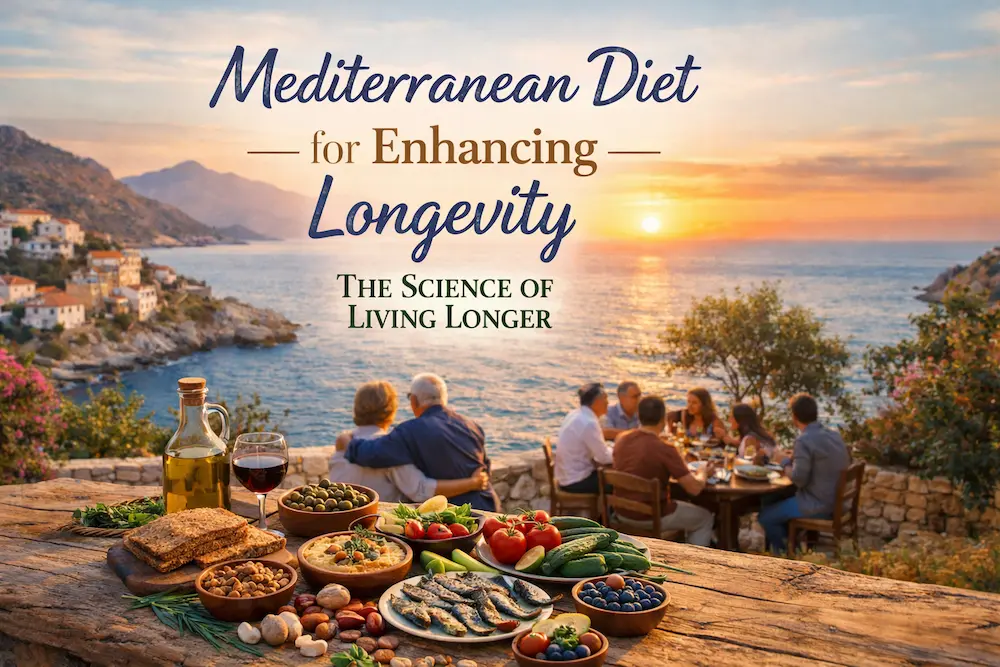
According to research, the Mediterranean diet is one of the most consistently studied eating patterns for long-term health. Studies suggest it may help support cardiovascular health, metabolic function, cognitive resilience, and lower chronic inflammation. It is also closely connected with traditional eating patterns seen in some of the world’s best-known long-living regions.
This is where the topic becomes bigger than food trends. The Mediterranean diet is not a hack. It is not a detox. It is not a dramatic 30-day reset. It is a pattern of eating and living that appears to support longevity because it works with the body, not against it.
In this guide, we will break down the science in plain English, connect it to Blue Zones-style living, explain how it may affect aging markers like inflammation and telomeres, and show how to apply it in daily life.
Table of Contents
- What the Mediterranean Diet Actually Is
- Why the Mediterranean Diet Is Linked to Longevity
- The Science of Longevity: Telomeres, Inflammation, and Aging
- The Blue Zones Connection
- Top 10 Longevity Superfoods in the Mediterranean Diet
- Mediterranean Diet and Heart Health
- How It May Help Prevent Cognitive Decline
- Mediterranean Diet, Type 2 Diabetes, and Metabolic Health
- Is It Just Genetics? The Epigenetics Question
- The Social Ingredient: Why Lifestyle Matters Too
- Mediterranean Diet Food List
- Mediterranean Diet Meal Plan for Enhancing Longevity
- Disadvantages of the Mediterranean Diet
- Free Mediterranean Diet for Enhancing Longevity: How to Start Cheap
- FAQ-Style Answers to Common Search Questions
- Scientific References
- Final Thoughts
What the Mediterranean Diet Actually Is
The Mediterranean diet is not one exact menu from one country. It is a broad pattern inspired by traditional eating habits in Mediterranean regions, especially where chronic disease rates were historically lower and long life was more common.
At its core, it emphasizes:
- vegetables
- fruit
- legumes like beans, lentils, and chickpeas
- whole grains
- nuts and seeds
- extra-virgin olive oil
- herbs and spices
- fish and seafood in moderate amounts
- fermented or minimally processed dairy in smaller amounts
- limited ultra-processed foods
- less red and processed meat
Just as important, it is usually paired with a lifestyle: walking, eating with others, slower meals, strong routines, and less dependence on highly processed convenience food.
Pro Longevity Tip: Do not think of this as a “Mediterranean product list.” Think of it as a pattern where plants, olive oil, legumes, and real food become your default.
Why the Mediterranean Diet Is Linked to Longevity
According to research, the reason this eating pattern stands out is that it influences many aging-related systems at once.
Instead of targeting one issue, it appears to help across multiple areas:
- chronic inflammation
- blood sugar balance
- cholesterol patterns
- blood pressure
- vascular function
- oxidative stress
- gut microbiome diversity
- satiety and weight regulation
That matters because aging is rarely caused by one single factor. More often, it is the gradual accumulation of metabolic stress, inflammation, vascular damage, insulin resistance, poor dietary quality, and lifestyle strain.
Studies suggest the Mediterranean diet may reduce that burden over time.
This is one reason the Mediterranean diet and heart health connection is so strong. But its reach goes beyond the heart. It may support healthier aging in the brain, blood vessels, metabolism, and even cellular markers associated with biological aging.
Pro Longevity Tip: Longevity is usually the result of a thousand small protections added together, not one miracle intervention.
The Science of Longevity: Telomeres, Inflammation, and Aging
Telomere Length and Diet
Telomeres are protective caps on the ends of chromosomes. You can think of them like the plastic tips on shoelaces. As cells divide over time, telomeres tend to shorten. Shorter telomeres are associated with biological aging, although they are only one piece of a much bigger picture.
Research into telomere length and diet suggests that dietary patterns rich in plant foods, healthy fats, and antioxidants may be linked with healthier telomere maintenance. The Mediterranean pattern is relevant here because it is naturally rich in polyphenols, fiber, vitamins, minerals, and anti-inflammatory compounds.
That does not mean olive oil magically “stops aging.” It means the overall pattern may help create a less damaging internal environment over time.
Inflammaging: The Slow Burn of Aging
One of the most useful concepts in longevity science is inflammaging. This refers to low-grade, chronic inflammation that tends to rise with age and is associated with many major diseases.
Inflammaging is not the same as getting an infection or an obvious inflammatory illness. It is quieter. More metabolic. More systemic. And over time, it can affect arteries, brain tissue, insulin sensitivity, and immune function.
The Mediterranean diet may help because it emphasizes anti-inflammatory foods such as:
- extra-virgin olive oil
- leafy greens
- berries
- legumes
- nuts
- fish
- tomatoes
- herbs and spices
At the same time, it tends to reduce foods that often worsen inflammation when eaten in excess, such as ultra-processed snacks, refined sugars, and processed meats.
Pro Longevity Tip: The goal is not to “eliminate inflammation” completely. The goal is to reduce the chronic background inflammation that wears the body down.
The Blue Zones Connection
The Blue Zones diet idea became popular because researchers and writers noticed that some regions of the world had unusually high concentrations of people living into their 90s and 100s.
Two Mediterranean-linked regions often discussed in this context are:
- Ikaria, Greece
- Sardinia, Italy
These populations are interesting not just because of what they eat, but because of how they live. Their eating patterns tend to include:
- lots of beans and lentils
- greens and seasonal vegetables
- olive oil
- simple home cooking
- moderate portions
- less processed food
- shared meals
- regular physical movement built into life
To be clear, no one should oversimplify this and say, “Just eat chickpeas and you will live to 100.” Blue Zones-style longevity is likely influenced by many factors: culture, movement, stress patterns, community ties, sleep, and environment.
But food is clearly one of the major pillars.
Pro Longevity Tip: The Blue Zones lesson is not perfection. It is consistency. Their routines often protect health because they are repeated for decades.
Top 10 Longevity Superfoods in the Mediterranean Diet
There is no single anti-aging food. But certain foods show up again and again in healthy aging research and traditional Mediterranean eating.
1. Extra-Virgin Olive Oil
Rich in monounsaturated fats and polyphenols. A core pillar of the Mediterranean pattern.
2. Walnuts
Provide healthy fats, plant compounds, and are associated in many studies with better dietary quality overall.
3. Leafy Greens
Spinach, arugula, kale, chard, and other greens are nutrient-dense and strongly associated with healthy aging patterns.
4. Sardines
An affordable source of omega-3 fats, protein, calcium, and other nutrients.
5. Lentils
Cheap, filling, high in fiber, and excellent for blood sugar and satiety support.
6. Chickpeas
Versatile, affordable, and a staple in many Mediterranean meals.
7. Tomatoes
Especially when paired with olive oil, they are a foundational Mediterranean ingredient.
8. Berries
Not strictly Mediterranean in every traditional sense, but highly relevant in modern longevity nutrition because of their polyphenol content.
9. Yogurt
Especially plain, minimally processed yogurt, which can fit well in a balanced Mediterranean pattern.
10. Red Wine in Moderation
Often discussed in Mediterranean diet conversations, but this needs nuance. Some traditional Mediterranean patterns include moderate wine with meals, but alcohol is not required for health and should not be treated as a longevity prescription.
Pro Longevity Tip: Your best “superfood” is the one you eat regularly as part of a healthy overall pattern, not the one with the best marketing.
Mediterranean Diet and Heart Health
This is one of the strongest and best-known areas of research.
According to research, the Mediterranean pattern may support heart health by helping improve:
- LDL cholesterol patterns
- blood pressure
- endothelial function
- inflammation
- insulin sensitivity
- body weight regulation in some people
This is why Mediterranean diet and heart health is such a major pairing in both medical journalism and preventive nutrition.
A simple way to understand it is this: the Mediterranean diet tends to replace damaging defaults with protective ones.
Instead of:
- processed meats
- refined snacks
- heavy trans fats
- high-sugar convenience foods
It shifts people toward:
- legumes
- fish
- olive oil
- vegetables
- whole grains
- nuts
Over time, that can matter enormously for arterial health and cardiovascular risk.
Pro Longevity Tip: If you only change one thing first, make lunch and dinner more plant-forward and use olive oil instead of more processed fats.
How It May Help Prevent Cognitive Decline
One of the biggest fears of aging is not just illness. It is losing clarity, memory, and independence.
Studies suggest the Mediterranean diet may play a role in preventing cognitive decline, likely because of its effects on blood vessels, inflammation, insulin sensitivity, and oxidative stress. Brain aging is deeply connected to vascular health, so a heart-supportive diet often becomes a brain-supportive diet too.
Possible mechanisms include:
- better blood flow to the brain
- lower chronic inflammation
- improved metabolic health
- greater intake of antioxidants and polyphenols
- healthier lipid patterns
This does not mean the Mediterranean diet “prevents Alzheimer’s” in a guaranteed way. That would be too strong. But it does mean the pattern is strongly relevant to brain-health conversations and healthy aging.
Pro Longevity Tip: The brain often benefits from the same habits that protect the heart: movement, sleep, social connection, blood sugar balance, and anti-inflammatory meals.
Mediterranean Diet, Type 2 Diabetes, and Metabolic Health
Longevity is hard to separate from metabolic health.
Type 2 diabetes and insulin resistance raise the risk of cardiovascular disease, cognitive decline, kidney problems, and other complications that shorten healthspan. Studies suggest the Mediterranean pattern may help because it naturally supports:
- higher fiber intake
- slower digestion of carbohydrates
- more satisfying meals
- lower ultra-processed food intake
- better blood sugar stability
For people interested in healthy aging, this matters just as much as calorie counts. A dietary pattern that improves satiety and glycemic control can reduce the constant metabolic stress that accelerates wear and tear over time.
Pro Longevity Tip: Pair carbohydrates with fiber, fat, and protein. A bowl of lentils with olive oil and vegetables usually works better for longevity than refined carbs eaten alone.
Is It Just Genetics? The Epigenetics Question
This is one of the most common skeptical questions: maybe people in long-living populations just inherited good genes.
Genes matter. No serious writer should deny that. But genes are not the whole story.
This is where epigenetics becomes useful. Epigenetics refers to how lifestyle and environment can influence gene expression without changing your DNA code itself. In simple terms, your genes are not your fate in a fixed, mechanical way. Diet, physical activity, sleep, stress, and other factors can influence how certain biological pathways behave.
That is one reason saying “it’s all genetics” is too simplistic.
Studies suggest diet can affect inflammation, insulin signaling, oxidative stress, and other cellular processes that interact with aging biology. So while genes may load the gun, lifestyle often helps decide how much pressure is put on the trigger.
Pro Longevity Tip: Do not ask whether your genes are perfect. Ask whether your daily habits are creating a better environment for the genes you already have.
The Social Ingredient: Why Lifestyle Matters Too
One of the most underrated features of Mediterranean living is that it is not just about nutrients.
Meals are often:
- slower
- shared
- more satisfying
- less rushed
- less isolated
Social connection matters for longevity. Chronic loneliness and high stress are strongly associated with worse health outcomes. A meal eaten calmly with others is not just emotionally different from eating in your car. It may also shape digestion, stress, satiety, and overall quality of life.
This is where the Mediterranean model becomes powerful. It blends food with rhythm.
Walking after meals. Eating with family. Cooking simple food at home. Not treating every meal like a productivity task. This lifestyle layer may be one of the reasons Mediterranean cultures have become symbols of healthy aging.
Pro Longevity Tip: At least a few times a week, sit down for meals without screens and eat slowly. That is part of the intervention too.
Mediterranean Diet Food List
A practical Mediterranean diet food list for longevity includes:
Vegetables
- leafy greens
- tomatoes
- cucumbers
- broccoli
- zucchini
- onions
- peppers
- eggplant
- carrots
Fruits
- berries
- oranges
- apples
- grapes
- pears
- figs
- pomegranate
Legumes
- lentils
- chickpeas
- white beans
- black beans
- split peas
Whole Grains
- oats
- barley
- farro
- bulgur
- quinoa
- brown rice
- whole grain bread
Healthy Fats
- extra-virgin olive oil
- olives
- walnuts
- almonds
- seeds
Protein Sources
- sardines
- salmon
- mackerel
- eggs
- yogurt
- modest amounts of poultry
- beans and lentils
Flavor Builders
- garlic
- herbs
- lemon
- vinegar
- spices
- tahini
Mediterranean Diet Meal Plan for Enhancing Longevity
A simple Mediterranean diet for enhancing longevity meal plan does not need to be complicated.
Day 1
Breakfast: Greek yogurt with berries, walnuts, and chia
Lunch: Lentil salad with tomatoes, cucumber, parsley, and olive oil
Dinner: Sardines or salmon with greens, roasted vegetables, and barley
Day 2
Breakfast: Oats with apple, cinnamon, and almonds
Lunch: Chickpea bowl with greens, olives, tomatoes, and lemon dressing
Dinner: Vegetable stew with white beans and whole grain bread
Day 3
Breakfast: Eggs with spinach and tomatoes
Lunch: Tuna and bean salad with olive oil and herbs
Dinner: Roasted vegetables, quinoa, and yogurt-tahini sauce
This type of Mediterranean diet meal plan supports longevity best when it becomes a repeatable routine, not a temporary cleanse.
Disadvantages of the Mediterranean Diet
The Mediterranean diet is excellent for many people, but it is not useful to pretend it has no downsides.
Possible disadvantages of Mediterranean diet approaches include:
- some people underestimate calories from olive oil, nuts, and cheese
- fresh produce and fish can be expensive in some areas
- beginners may feel overwhelmed by all the “healthy eating” advice around it
- some packaged foods now use the word Mediterranean as marketing without real quality
- it may require more cooking than highly processed convenience eating
- people with specific medical conditions may need personalized guidance
The answer is not to avoid the pattern. It is to apply it realistically.
Free Mediterranean Diet for Enhancing Longevity: How to Start Cheap
A free Mediterranean diet for enhancing longevity plan does not mean no grocery cost. It means you do not need to buy a course, app, or expensive program to begin.
Start with these affordable basics:
- oats
- lentils
- chickpeas
- eggs
- canned sardines or tuna
- frozen vegetables
- carrots
- onions
- seasonal fruit
- brown rice
- olive oil
That is enough to build a strong base. You do not need imported specialty ingredients or “longevity powders.” You need consistency.
FAQ-Style Answers to Common Search Questions
Mediterranean diet for enhancing longevity meal plan
A good longevity meal plan includes vegetables, legumes, whole grains, olive oil, fish or beans, fruit, nuts, and simple repeatable meals across the week.
Free Mediterranean diet for enhancing longevity
You can start for free by using a simple grocery list and meal template built around beans, oats, eggs, rice, frozen vegetables, canned fish, and olive oil.
Mediterranean diet life expectancy
Research suggests strong adherence to Mediterranean-style eating is associated with lower chronic disease risk and may support longer healthspan and potentially longer life expectancy, though individual outcomes vary.
Disadvantages of Mediterranean diet
The main drawbacks are cost in some regions, the need for planning, and the risk of overeating calorie-dense healthy foods if portions are ignored.
Mediterranean diet recipes
Simple recipes include lentil soup, chickpea salad, sardines with tomatoes and herbs, Greek yogurt bowls, roasted vegetables with olive oil, and bean-based grain bowls.
Mediterranean diet meal plan
A practical meal plan includes yogurt or oats for breakfast, bean or fish-based salads for lunch, and vegetables with legumes, fish, or whole grains for dinner.
Mediterranean diet food list
Core foods include vegetables, fruits, legumes, whole grains, olive oil, nuts, seeds, fish, yogurt, and herbs.
Scientific References
Below are placeholder-style references for the kinds of studies commonly discussed in this area:
- PREDIMED Trial – large study on Mediterranean diet patterns and cardiovascular outcomes
- Studies on Mediterranean diet adherence and cognitive health
- Research on telomere length and Mediterranean dietary patterns
- Studies examining anti-inflammatory dietary patterns and aging
- Research related to Blue Zones diet observations and healthy aging populations
- Studies on Mediterranean diet and type 2 diabetes prevention
- Research on Mediterranean diet and heart health biomarkers
Final Thoughts
The secret to a longer life is probably not hidden in one food, one supplement, or one dramatic protocol.
It is more likely found in patterns that lower damage, increase resilience, and can be repeated for years. That is exactly why the Mediterranean diet for enhancing longevity matters. It is not exciting because it is extreme. It is powerful because it is durable.
According to research, its strength seems to come from how many things it helps at once: inflammation, vascular health, blood sugar control, satiety, brain health, and overall dietary quality. Add walking, social connection, slower meals, and less processed food, and you are no longer talking about a diet trend. You are talking about a life structure that supports aging well.
That is what most people are really after.
Not just more years. Better ones.