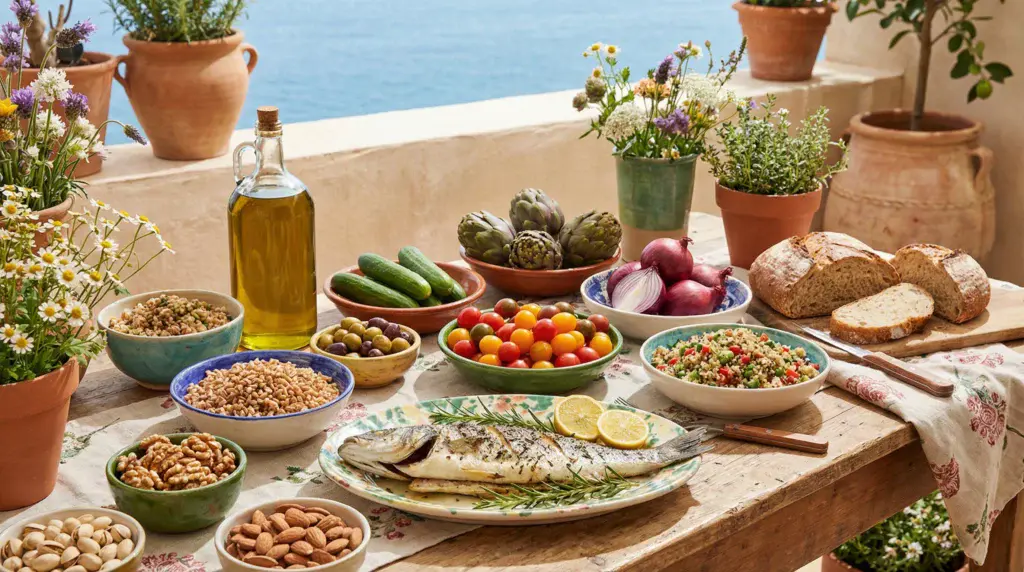

If you’re exploring ways to shed a few pounds while enjoying wholesome, flavorful meals, the Mediterranean diet is worth a serious look. I’ve been living partly by its principles for a while now, and the mix of olive oil, fresh veggies, lean proteins, and grains doesn’t just taste good—it can boost heart health and help with weight management too. Let me break down how it works, what to eat, and how to get the best results if you want real, sustainable weight loss.
What is the Mediterranean Diet?
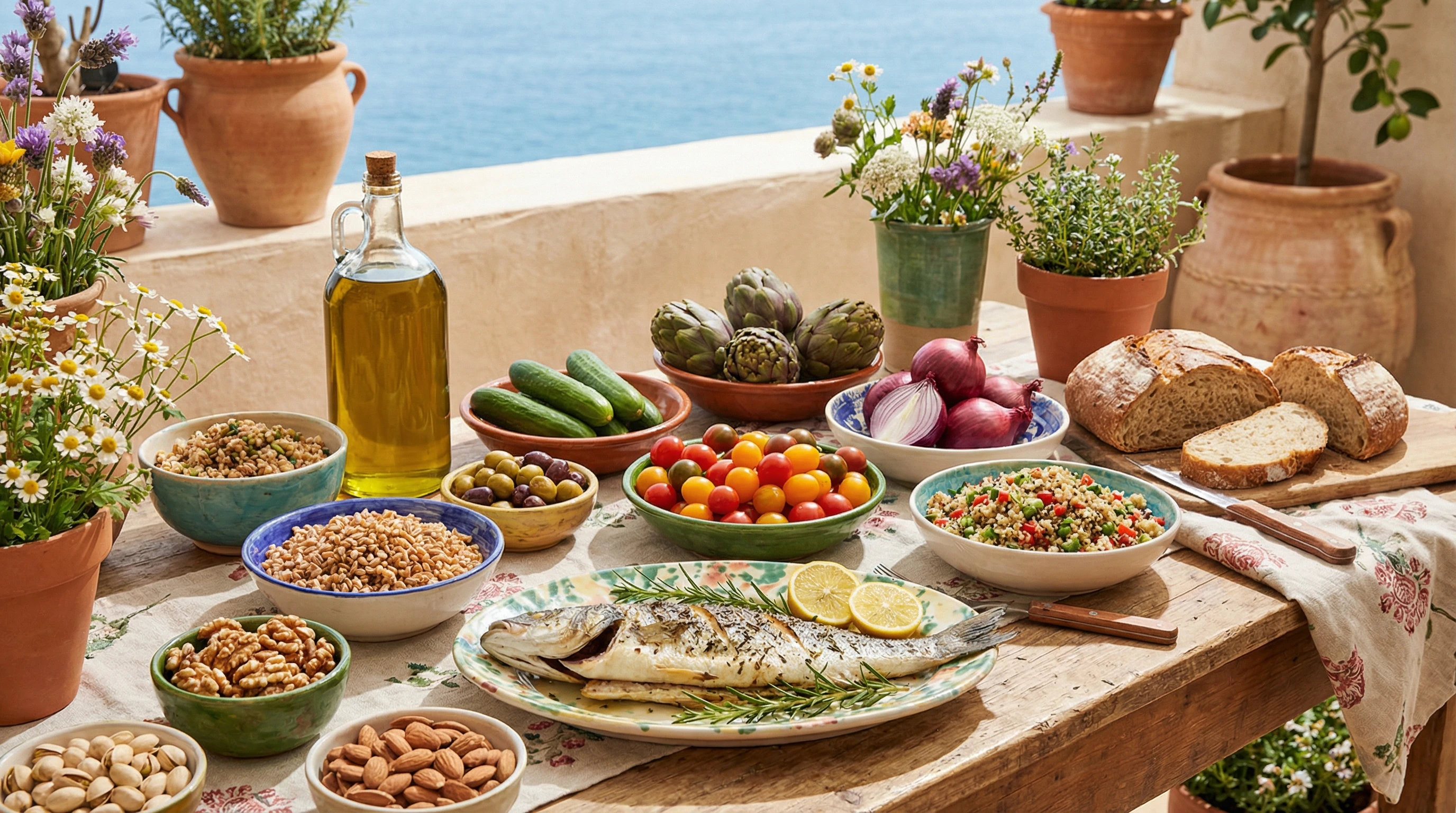
The Mediterranean diet is inspired by traditional eating habits from countries along the Mediterranean Sea, like Greece, southern Italy, and Spain. The focus is on whole, minimally processed foods such as fruits, vegetables, whole grains, beans, nuts, olive oil, fresh herbs, and lean proteins, especially fish and poultry. This approach is all about enjoying simple, homecooked meals with loved ones around the table, rather than counting every calorie or shunning carbs entirely.
This way of eating gained popularity in the 1960s, when researchers noticed that people in these regions had lower rates of heart disease and lived longer, even though they often used olive oil generously and ate bread daily. Instead of removing entire food groups or obsessing about numbers, the Mediterranean diet is about making smart swaps and creating balanced, satisfying meals you can enjoy day after day.
The Science Behind the Mediterranean Diet for Weight Loss
The Mediterranean diet has been studied for decades, and the research is pretty solid. Eating this way means you get plenty of fiber, antioxidants, healthy fats, and lean protein, which combine to keep you feeling full while supporting overall health. The higher intake of fiber from vegetables, beans, and whole grains helps control appetite and keeps your blood sugar steady, which is especially helpful when you’re aiming for weight loss.
Studies—including research published in JAMA Internal Medicine—show that following a Mediterranean diet can lead to more weight loss compared to typical low-fat diets, even if people aren’t counting calories. That’s because meals built on whole foods are more filling and naturally lower in calories, so you end up feeling satisfied without going overboard.
How the Mediterranean Diet Helps With Weight Loss
One big plus with this way of eating is that you don’t have to walk around hungry. Olive oil and nuts provide good fats to help you stay full, while generous servings of salads, roasted veggies, and legumes bulk up your meals. Fish and lean poultry supply the protein your body needs to preserve muscle as you lose fat. You might not see an immediate drop like some low-carb plans, but you will notice a solid, healthy decline in weight when you stick with it.
- Packed with fiber: Veggies, fruits, beans, and whole grains help fill you up and slow down snacking.
- Healthy fats keep you full: Olive oil, nuts, and seeds satisfy cravings without the heaviness of fried or processed foods.
- Balanced meals: Having protein, fat, and fiber in each meal helps stabilize your blood sugar and controls cravings.
- Naturally limits added sugar: Most desserts are just fruit, maybe with a little honey or a few nuts, rather than cakes or cookies.
What Foods Are Included in the Mediterranean Diet?
What’s great about the Mediterranean diet is its flexibility. Instead of strict dos and don’ts, you’re encouraged to pull most of your meals from core food groups like:
- Vegetables: Tomatoes, cucumbers, leafy greens, bell peppers, eggplant, zucchini—almost every vegetable is fair game.
- Fruits: Apples, oranges, grapes, berries, pears, watermelon, figs, and more.
- Whole grains: Brown rice, farro, bulgur, barley, whole wheat bread and pasta, and oats.
- Legumes: Chickpeas, lentils, white beans, and kidney beans add heartiness.
- Healthy fats: Extra virgin olive oil, nuts like walnuts, almonds, pistachios, and seeds such as sunflower and sesame.
- Lean proteins: Fish (especially salmon, sardines, mackerel), shellfish, chicken, turkey, eggs, plus Greek yogurt and a bit of cheese.
- Herbs and spices: Oregano, basil, garlic, mint, dill, cinnamon, and more for flavor without excess salt.
Red meat and sweets aren’t off-limits, but they’re treats, not everyday fare. The Mediterranean kitchen is open to your creativity, so you never feel boxed in.
Sample Mediterranean Diet Plan for Weight Loss
If you’re not sure where to start, here’s a quick sample day to show how filling and diverse these meals can be—and you don’t need hours in the kitchen.
- Breakfast: Creamy Greek yogurt with sliced strawberries and crunchy walnuts
- Lunch: A salad with mixed greens, cherry tomatoes, cucumbers, chickpeas, grilled chicken, a sprinkle of feta, and olive oil vinaigrette. Side of whole wheat pita bread.
- Snack: A juicy orange and a small handful of almonds.
- Dinner: Oven-baked cod with lemon and fragrant herbs, served alongside roasted eggplant, zucchini, bell peppers, and quinoa.
- Dessert: Fresh berries with a drizzle of honey.
The Fastest Way to Lose Weight on the Mediterranean Diet
Want to trim down quickly? Combine these core habits:
- Make veggies the center of every meal. Try to fill half your plate with nonstarchy options.
- Switch all refined carbs (like white bread and rice) for whole grains whenever possible.
- Keep cheese and red meat to just a couple times per week, treating them as extras.
- Go big on fish or legumes for protein most days.
- Cook at home often. Restaurant meals sneak in extra oil and bread that you may not notice.
Cutting out mindless snacking—especially on chips or sugary treats—and keeping portions steady is crucial. Adding movement, even a brisk walk each day, gives results a boost. While dropping pounds does take dedication, these moves fast-track your progress without making you feel deprived.
Comparing Mediterranean Diet to Other Popular Diets
Many people wonder how the Mediterranean diet compares with hot trends like keto or low-carb. Here’s a side-by-side look:
Mediterranean vs. Keto Diet
Keto restricts carbs to very low levels and ramps up the fat, forcing the body to run on ketones instead of sugar. This can lead to fast early losses, but it’s highly restrictive: you have to skip bread, fruit (except a tiny amount of berries), and all beans. The Mediterranean diet, on the other hand, welcomes moderate whole grains and a wide range of produce and beans, making it easier to stick to long-term. Research overall finds Mediterranean eating is more heart-friendly, sustainable, and satisfying.
Is the Mediterranean Diet Good for High Cholesterol?
Absolutely. This diet shines when it comes to lowering bad cholesterol (LDL) and increasing the good kind (HDL). The big servings of veggies, fruits, healthy fats like olive oil, and fiber-rich grains all work together to control cholesterol and naturally support heart health. The American Heart Association stands behind Mediterranean eating for those wanting to improve cholesterol numbers and cut heart disease risk.
How Much Weight Can You Lose Per Week on the Mediterranean Diet?
For most people following a Mediterranean-style plan, losing about 0.5 to 2 pounds each week is typical. Your actual results depend on your activity level, current weight, and how closely you follow the plan. While it isn’t a crash diet, the slow, steady loss is much easier to keep up—and to maintain. Fast losses (like five or more pounds per week) usually mean you’re losing water weight or muscle, not just fat. Sticking with a steady pace sets you up for longer-term victories, both on the scale and in the mirror.
Tips for Sticking With the Mediterranean Diet
- Prep meals ahead: Make grains in bulk or prep a big salad to simplify assembling meals.
- Try fresh herbs and spices: Basil, dill, and mint amp up the flavor, so things never get boring.
- Smart snacks: Have fruit, nuts, or carrot sticks on hand to avoid reaching for packaged goodies.
- Eat with intention: Tune into your meal, eat slower, and actually enjoy what you’re eating.
- Connect with others: Share meals with family, invite friends for a cook-off, or trade new Mediterranean recipes.
Potential Challenges and How to Handle Them
Every new food routine brings a few hiccups. Here’s what I’ve faced and how you might handle it:
- Eating Out: Look for simple grilled fish, veggie-forward sides, and fresh salads instead of heavy main courses.
- Sugar cravings: Swap pastries for fruit, or go for Greek yogurt with a drizzle of honey and a few nuts.
- Packed schedule: Keep it practical: stock up on canned beans, frozen veggies, and microwaveable grains.
- Pleasing a crowd: Get family or housemates involved—Mediterranean-style meals tend to be universal favorites.
Advanced Tips for Getting More Out of the Mediterranean Diet
Once you’re into the groove, here are some ways to keep things lively and step up your results:
Mix up your recipes: Check out Mediterranean cookbooks or trusted cooking blogs to stumble upon new dishes—think shakshuka, lentil soups, or veggie-packed flatbreads.
Switch to less processed foods: Pick farro or bulgur instead of white rice, swap chips with roasted spiced chickpeas, or turn your sandwich into a loaded salad bowl.
Batch cook smart: Roasting a big tray of veggies, or cooking a pot of whole grains, means you can mix and match quick healthy lunches and dinners all week long.
Keep moving: Any activity you enjoy—walking the dog, cycling, dancing—will give a boost to your progress and make sticking to new habits easier.
Real-World Examples and Success Stories
Tons of people, myself included, have seen real changes thanks to the Mediterranean diet—not just with weight, but energy, cholesterol, and general happiness around food. Friends with different backgrounds and taste buds have jumped in and loved the flexibility. There’s always something delicious and satisfying to whip up or order when you eat this way.
Need a nudge or some extra recipes? Take a peek at Oldways or the Harvard T.H. Chan School of Public Health for a treasure trove of ideas, stories, and guides.
Frequently Asked Questions
Question: What is the fastest way to lose weight on the Mediterranean diet?
Answer: Center every meal on veggies, go for whole grains, lean on fish or beans for protein, cut back cheese and red meat, and skip extra snacks or restaurant fare. The more you prep at home and keep active, the quicker you’ll see results.
Question: Is a Mediterranean diet good for high cholesterol?
Answer: Definitely. With its focus on veggies, fish, olive oil, whole grains, and nuts, it’s ideal for managing cholesterol, especially if you keep red meat and processed foods as a rare treat.
Question: Is Mediterranean or keto better?
Answer: For steady weight loss, a healthy heart, and sticking with it long-term, the Mediterranean approach wins for most folks. Keto is much stricter and cuts out lots of healthy foods, which makes it tough to sustain.
Question: How much weight can you lose per week on the Mediterranean diet?
Answer: Sticking with it, people typically lose about 0.5 to 2 pounds per week. Results can vary, but this slow and steady pace is more likely to stick around.
Wrapping Up
The Mediterranean diet isn’t some quick fix. It’s a delicious lifestyle that makes nourishing your body enjoyable and sustainable. Make smart choices, enjoy each meal, and pay attention to how you feel—not just the numbers on the scale. Stay patient, be consistent, and you’ll see the payoff for your health and wellbeing. If you’re after a workable change, this is one of the easiest and most rewarding places to begin.
Stick with good ingredients, enjoy the adventure of trying new recipes, and remember: perfection isn’t required. The Mediterranean way is all about finding what works for you and keeping food joyful. Here’s to your next-level healthy adventure!