

If you’re thinking about starting keto, but worried about walking around hungry all day, you’re definitely not alone. One of the biggest hurdles for beginners is managing hunger, especially in those first days and weeks when your body is still figuring out how to run on fat instead of carbs. Over the years, I’ve picked up a lot of practical tips that really help cut hunger and make the whole experience smoother. Here’s how to get started with keto without constantly fighting the urge to snack.
Understanding Hunger on Keto
The first thing that catches most people off guard during their keto switch is the way hunger pangs can change. It’s common to hear that keto naturally reduces appetite, but that effect usually comes later, after your body adjusts. In the beginning, your system is still used to quick carbs for energy, so it’s not surprising if you feel hungry or a bit off.
The early days of keto usually involve a big drop in insulin, and your body is still looking for those fast acting calories it used to get from bread, pasta, fruit, or sugar. That adjustment period can take anywhere from a few days to a few weeks, depending on your starting point and how strictly you drop carbs.
Most folks experience some fluctuations in their appetite during this phase. You might find that, while some meals leave you feeling full for hours, others just don’t do the trick. Keeping an eye on how certain foods affect your hunger is the key to settling into keto with less discomfort. Everyone’s body reacts a bit differently, and your hunger may bounce around until fat adaptation kicks in.
How to Stop Feeling Hungry on Keto
The good news is there are several ways to cut hunger and make the switch to keto way easier. Here are my top tips for staying full and satisfied, even while your carb intake is super low:
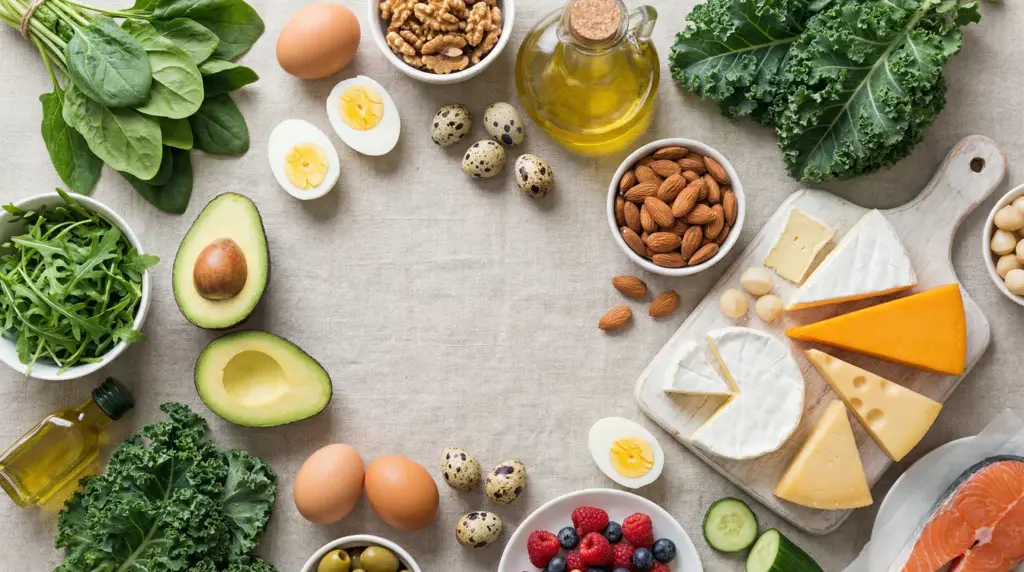
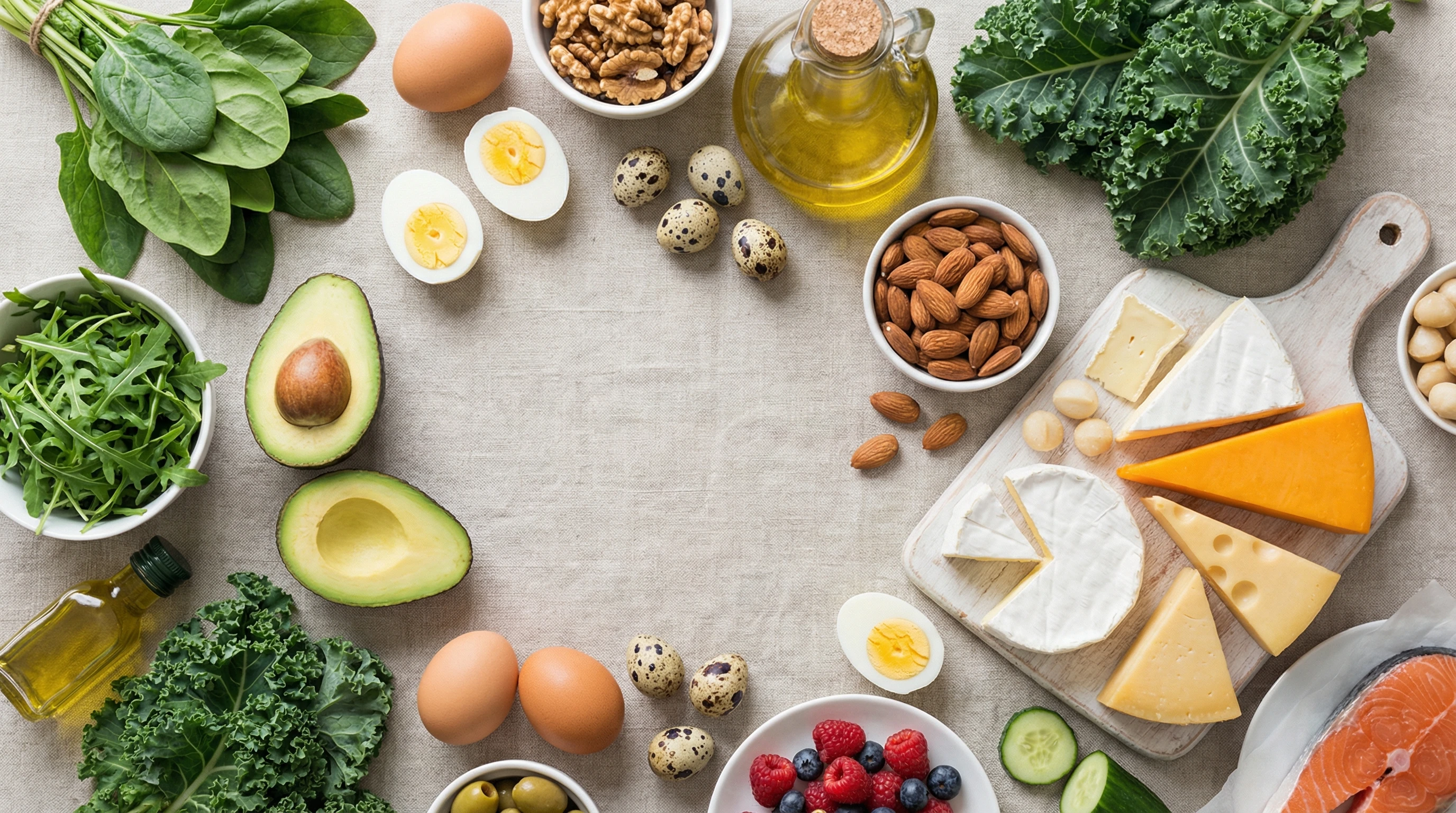
- Eat Enough Fat: Fat is the superstar of keto. It’s filling, doesn’t spike insulin, and your body will start burning it for energy. Don’t be shy about adding healthy fats like olive oil, butter, avocado, nuts, or fatty cuts of meat to your meals.
- Get Enough Protein: A lot of people on keto worry that too much protein will “kick them out” of ketosis, but in real world experience, moderate amounts actually help keep you full. Chicken thighs, eggs, salmon, and pork all help satisfy your appetite.
- Volume from Low Carb Veggies: Leafy greens, broccoli, cauliflower, and zucchini let you eat a decent volume of food without boosting carbs much. They also add important fiber, which helps you feel satisfied and supports healthy digestion.
- Electrolytes Matter: Losing water weight early on can flush out electrolytes like sodium, potassium, and magnesium. Getting enough salt (think broth, salted nuts, or pickles), plus leafy greens, helps keep cravings under control.
- Avoid “Keto Snacks” When Possible: Prepackaged keto bars and sweet snacks can sometimes trigger cravings, especially when you’re just getting started. Whole foods make a bigger difference in keeping you full, at least until you’re more fat adapted.
- Stay Hydrated: Thirst and hunger can feel really similar. Regular water breaks or drinking herbal tea makes a noticeable difference for me, and I reach for water before grabbing extra food.
On top of this, adding variety to your meal plan and including different sources of fat and protein can prevent taste fatigue and make your keto meals more interesting. Trying out different spices, herbs, and flavor combinations will ensure you always have something to look forward to, which is surprisingly effective at helping you stay full and content.
Getting Started: A Step by Step Guide to Managing Early Hunger
Here’s a quick roadmap for getting started with keto and managing hunger from day one:
- Clear Out High Carb Foods: Having bread, chips, or sweets in the house is just extra temptation. Replacing them with keto basics makes healthier choices easier.
- Stock Up on Keto Staples: I always make sure I have eggs, fatty meats, cheese, healthy oils, and lots of green veggies. Quick meals make it less likely I’ll get so hungry I slip up.
- Meal Prep: Cooking in batches and having leftovers in the fridge is handy for those times when hunger strikes. A hard boiled egg or some chicken salad can save the day.
- Plan Satisfying Meals: Each meal should have a good mix of protein, fats, and nonstarchy veggies. I look for meals that are filling, not just low on carbs.
- Be Patient: Hunger usually fades after a few days as your body adapts. Keeping busy and focusing on how you feel day to day instead of every minute helps a lot for me.
Don’t forget about adding flavor to your dishes. A sprinkle of sea salt, a drizzle of olive oil, or different seasonings can give a boost to even the simplest keto meals, making them way more satisfying. If you’re bored with your food, you’re more likely to reach for something off plan just to shake things up. Mixing in new recipes or looking up creative keto meal ideas can keep you engaged and less hungry over time.
What to Expect: The First Few Weeks on Keto
Your body is switching up its main fuel source from carbs to fat during the first couple of weeks. You might notice your hunger bounces around. Some days you’ll be surprised by how full you feel, and others you might want to eat constantly. This is totally normal at first.
For most people, true appetite suppression kicks in somewhere between week two and week four. That’s when burning ketones becomes routine, and your body doesn’t get those rollercoaster cravings from blood sugar spikes and crashes. Your energy levels start to even out, and many find their mental clarity gets a boost once they’re fat adapted.
Electrolyte loss is at its highest early on. Extra sodium from broth or a sprinkle of salt, plus plenty of water, usually fixes that “empty” or fatigued feeling for me. It can also help with the headaches and lightheadedness some people report at first.
Another thing to expect is changes in your digestion. Switching to higher fat and fiber can shift how often you go to the bathroom, and sometimes your gut takes a week or two to get used to new foods. Make sure to drink enough fluids and keep those veggies in your meals to help your body adjust smoothly.
Common Challenges and How to Beat Them
Switching to keto is a big adjustment, so it’s totally normal to hit a few rough patches. Here are the common issues and my best solutions:
- Hunger Between Meals: Try increasing the fat content of your meals. If you’re still getting hungry, it may mean your portions are simply too small or you need a midday snack with clean ingredients (like half an avocado, a few macadamia nuts, or some cheese).
- Social Events or Eating Out: Sticking to keto friendly options can be tough when everyone else is nibbling on pizza or chips. I check restaurant menus in advance and look for meat or veggie based plates, skip breaded or battered foods, and ask for extra butter or olive oil.
- Cravings for Sweets: These can get pretty strong early on. Small amounts of berries with whipped cream, or keto friendly chocolate, can scratch the itch, but I find these cravings fade after a couple of weeks when I’m fat adapted.
Feeling isolated or left out is another real challenge—especially during gatherings or family meals. Try to bring a keto dish you love to share, or let your friends know what you’re doing so they can support your new habits. It can also be helpful to join online keto forums or groups, where you can swap tips, recipes, and motivation.
How Long to Lose 20 lbs on Keto?
Weight loss timelines always depend on things like your starting weight, metabolism, how strictly you stick to keto, and how active you are. Some people lose several pounds during their first week simply from water loss. Actual fat loss tends to be a bit slower.
For a lot of people, losing 1 to 2 pounds per week after that initial water drop is a safe, steady pace. So dropping 20 lbs can take anywhere from ten weeks (about two and a half months) to twenty weeks (about five months). Some people see even quicker results, especially if they have more weight to lose at the start or combine keto with exercise. Taking progress photos and measurements sometimes shows change even before the scale does.
Remember, the scale isn’t the only way to measure progress. Check your energy, note how your clothes fit, or see changes in your skin and sleep. Sometimes the real changes happen slowly and show up in unexpected ways, so be patient and keep your expectations realistic.
What Color Is Pee When in Ketosis?
One thing that surprises a lot of people on keto is the way their pee changes color (and sometimes smell) once they’re in ketosis. At first, you’ll notice it might be a bit darker than usual if you’re not drinking enough, but that’s mostly from losing more water in those first few days.
The ketones your body makes, especially a type called acetoacetate, can get dumped out in your urine while you’re still new to keto. Sometimes this gives your pee a slightly sweet smell, or in rare cases, a faint pink tinge if you’re shedding a lot of ketones and not drinking enough water. Clear to pale yellow is a good goal, which usually means you’re well hydrated. If you notice a strong smell, bump up your water intake or add more salt or electrolytes.
If your urine stays dark for more than a couple of days, it’s not a bad idea to pay extra attention to your fluid and salt intake. Remember too that supplements or certain foods (like beets or vitamins) can also change pee color—a harmless but sometimes surprising side effect.
Can You Do 5 Days On, 2 Days Off Keto?
This pattern is sometimes called “cyclical keto” or “carb cycling,” and it’s gotten pretty popular for folks who want flexibility for weekends or intense exercise days. The general idea is you eat strict keto most of the week, then let yourself have carbs on two days (often over the weekend).
In practice, it’s doable, but there are tradeoffs. Each time you add carbs back in, your body may take a day or two to get back deep into ketosis, a process known as “keto adaptation.” This means the hunger busting benefits of keto might not be as steady. Some people handle this switch better than others, but if you find hunger or carb cravings come roaring back each weekend, or if you feel sluggish every Monday, a steadier approach with fewer carb ups might actually keep you feeling better day to day.
That said, cyclical keto can work for athletes who need extra carbs to fuel heavy training, or for people who just want a little more social flexibility. If you try it, track how you feel and watch for patterns that don’t suit your goals. If you find your hunger increases every time you go off plan, giving keto a continuous run for a few weeks might bring better results.
Real World Keto Sample Meal Plan
I’ve helped a bunch of friends and family set up their first few days of keto, and a good meal plan always makes things easier. Here’s an example menu to give you ideas that keep hunger at bay:
- Breakfast: Scrambled eggs cooked in butter, served with spinach and avocado.
- Lunch: Chicken thigh salad with olive oil, cucumbers, olives, hard boiled egg, and feta cheese.
- Dinner: Grilled salmon with broccoli roasted in olive oil, topped with sliced almonds.
- Snack: A handful of pecans, a string cheese, or a tablespoon of almond butter.
This combo is high in fat, moderate in protein, and packs in plenty of fiber, so you’ll feel full without getting a carb crash later in the day.
You can easily mix in some variety by swapping proteins, trying different veggies, or spicing up your meals with new sauces (just watch out for hidden sugars or carbs). Taking a bit of time to map out two or three days’ worth of meals at once makes sticking to keto much less stressful and more satisfying.
Smart Keto Shopping List for Hunger Free Meals
Having the right foods on hand is super important for fighting off hunger pangs. Here’s how I stock my kitchen:
- Eggs, cheese, and full fat Greek yogurt
- Ground beef, pork, chicken thighs, and salmon
- Butter, heavy cream, coconut oil, and olive oil
- Avocado, nuts (especially macadamias and pecans), olives
- Plenty of leafy greens, broccoli, cauliflower, zucchini, mushrooms, asparagus
- Pickles, sauerkraut, and other fermented veggies for electrolytes and gut health
With foods like these, there’s always something filling ready to eat, which makes temptation way easier to resist. Looking for seasonal veggies or sales at your local market is a great way to freshen up your meal rotation while saving money.
Don’t underestimate the power of variety. Even switching up the way you cook your chicken or tossing in new flavors can make a big difference in how much you look forward to meals. And a fridge stocked with ready to eat, hunger smashing foods is the secret weapon for any keto beginner.
Easy Troubleshooting: If You’re Still Hungry
If hunger sticks around after a couple weeks, it might be worth double checking your approach:
- Track Your Macros: Using an app for a few days helps spot hidden carbs or protein/fat imbalances that might be leaving you hungry.
- Eat Larger Meals: Sometimes I just underestimated how much food I needed. Bumping up portions, especially of meat and fats, usually helps.
- Check for “Hidden” Carbs: Things like sauces, dressings, or sneaky sugars in “healthy” snacks can add up fast and throw off progress.
- Rest and Reduce Stress: Lack of sleep or high stress makes cravings more intense. Getting rest and handling stress keeps hunger down and energy up.
If you’ve double checked your macros and feel like you’re genuinely eating enough, but you’re still hungry, pay attention to your meal patterns. Sometimes skipping breakfast or eating late at night can set up stronger cravings the next day. And for some, body weight set point or hormones may play a role—hunger can sometimes be a sign your body needs more time to adjust. In those cases, giving yourself a little grace and focusing on small, sustainable changes will work better than being super strict.
Frequently Asked Questions
How do you stop feeling hungry on keto?
Eating enough fat and protein, drinking extra fluids, keeping up with electrolytes (especially sodium), and focusing on real, unprocessed foods is the key. Hunger gets a lot easier to manage once you’re fully fat adapted, which usually happens within two to four weeks for most people.
How long does it take to lose 20 lbs on keto?
It can take anywhere from 10 to 20 weeks for most people to shed 20 pounds, after initial water weight loss. Sticking to whole foods, keeping portions satisfying, and tracking progress is the best approach.
What color should your pee be in ketosis?
Clear or pale yellow is the goal, meaning you’re well hydrated. Some people notice a sweet smell or a slightly darker color early on—it usually means you need more water and possibly more salt or potassium.
Can you do keto five days on and two days off?
This approach (often called carb cycling) works for some, but hunger and cravings might be more intense every time you cycle back. If you’re looking for less hunger, sticking to regular keto can be smoother, but cyclical keto has benefits for athletes and people who need some flexibility.
Wrapping Up
Starting keto without constant hunger is definitely doable once you get the hang of filling meals, steady electrolytes, and picking foods that really satisfy. Patience during the first few weeks pays off, and before long, you’ll probably notice appetite fading and energy picking up. Careful shopping, prepping a few easy meals, and having the right snacks in reach make all the difference.
Give it a try for a few weeks, listen to your body, and make gradual tweaks as you go. Keto can be a pretty awesome way to feel satisfied, steady, and energized—without battling hunger all day long.