


Plant-based protein sometimes gets a bad rap, with all kinds of myths floating around about its quality, effectiveness, and suitability for athletes. If you spend any time looking at forums like Reddit or watching fitness YouTube channels, you’ll notice conflicting opinions everywhere. I’ve seen these myths pop up in conversations with clients, in gym locker rooms, and even on mainstream media like BBC documentaries. I’m here to clear the air with a straightforward breakdown of what’s real and what’s just rumor about plant-based protein.
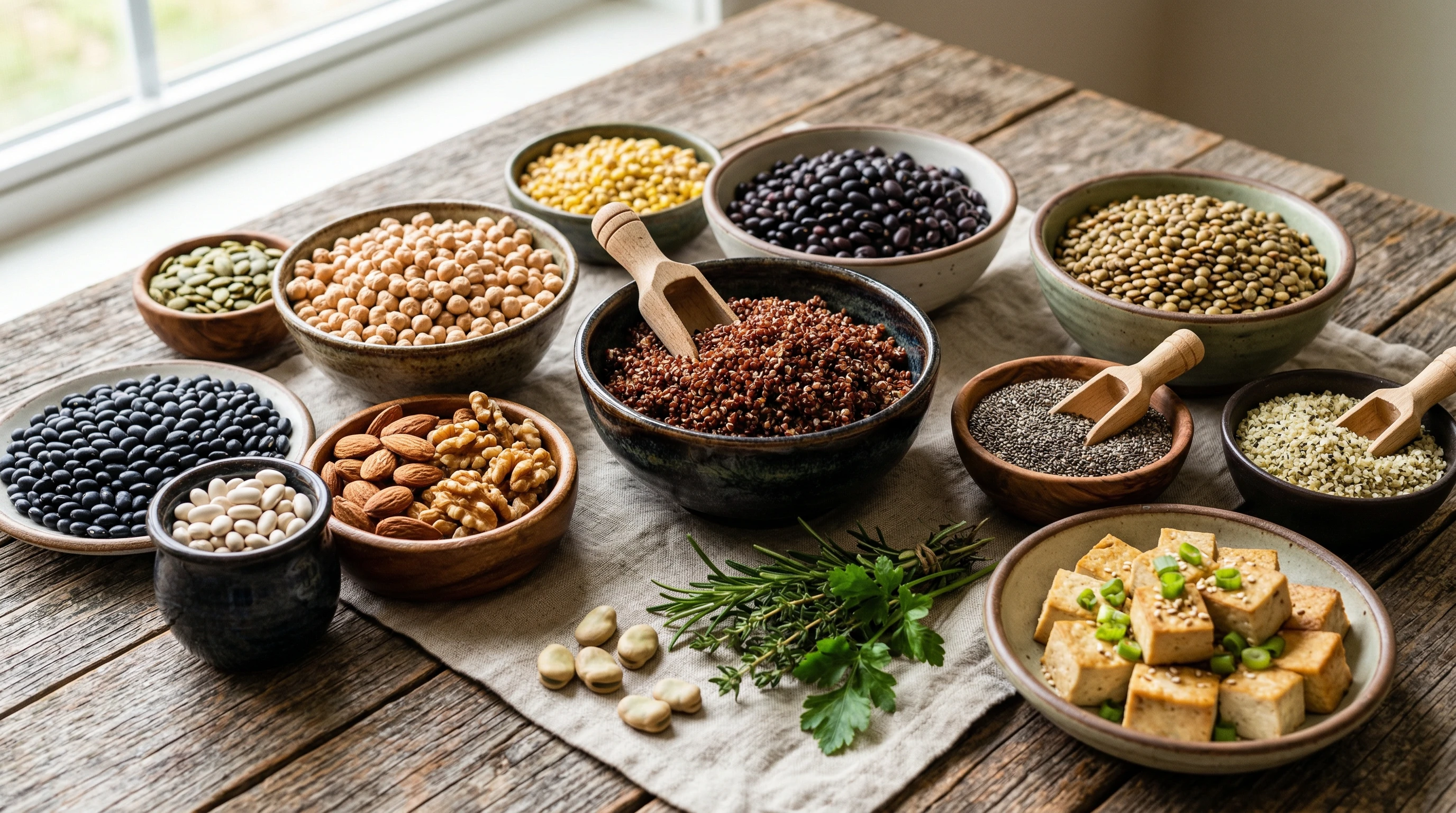
Myths and Facts About Plant-Based Protein
When I started switching my meals toward more plant-based options, I heard all sorts of things—some true, and a lot not so much. For example, there’s this idea that plant-based protein isn’t as good as animal protein, or that it can’t help build muscle. The truth is much more positive for anyone thinking about cutting back on animal products.
- Myth: Plant protein isn’t “complete.” This phrase gets tossed around a lot, but while most single plant sources don’t have all nine essential amino acids in huge amounts, mixing things like beans and rice covers your bases easily.
- Fact: Total intake matters more than individual sources. Eating a variety of plant foods throughout the day adds up to all the amino acids your body needs.
- Myth: You need to combine certain foods at every meal. Nutrition science shows your body keeps a pool of amino acids, so it’s fine to get them from different foods across your meals.
- Myth: Plant protein can’t fuel muscle growth for athletes or bodybuilders. There’s plenty of research showing that with enough total protein and hard training, muscle building is very possible on plant-based protein.
Plant-Based Protein Myths in Fitness and Bodybuilding
Some of the loudest myths about plant protein show up in the gym community. I’ve heard the plant-based myth plenty of times on bodybuilding forums. Here are a few that stand out:
- Myth: You can’t get strong or ripped with plant-based protein. I’ve trained beside vegan powerlifters who outlift many animal protein eaters. Leading studies, like those highlighted in sports nutrition journals, confirm muscle gains are about overall protein and calories, not where it comes from.
- Myth: Plant protein is just for yoga people, not for real athletes. Some of the world’s top runners, football players, and even bodybuilders (see: Patrik Baboumian or the rugby pros in “The Game Changers”) follow plant-heavy diets and crush it on performance.
- Fact: Plant-based diets can support tough training, provided you eat enough calories and protein. Plants like lentils, edamame, chickpeas, beans, quinoa, soy, nuts, and seeds pack a punch for athletic needs. I usually hit my daily goals with a mix of these and a scoop or two of plant protein powder.
Common Plant Protein Myths I See On Reddit—and the Truths
Reddit’s r/nutrition and r/veganfitness threads are full of debates about plant-based eating. I see these myths pop up daily:
- Myth: Plant protein is hard to digest, so you absorb less of it. Some plant foods have more fiber, which can feel heavy if you’re not used to it, but cooking, sprouting, or fermenting beans and grains makes them easy to digest. Most well balanced plant meals are just fine for protein absorption.
- Myth: You need animal protein for best health or energy. No scientific proof backs up that you need to eat meat or dairy to stay healthy or energized. In fact, surveys and research, like the NutritionFacts.org protein review, show average plant-based eaters meet their protein needs just fine and often have better heart health.
- Fact: Athletes do need a bit more planning on a vegan diet, but it’s not difficult or expensive. I track my intake, get protein from meals and sometimes a supplement, and haven’t noticed any difference in gym performance compared to when I ate animal protein.
Plant-Based Protein and the BBC “Great Protein Myth”
The BBC’s coverage sparked big interest in what’s actually required for good health. The so-called great protein myth goes like this: everyone thinks we need more protein than we really do, and that animal protein is somehow magic compared to plants. The reality is, most people, even athletes, don’t need massive amounts. According to data from Harvard and the BBC, most adults thrive on around 0.8 grams per kilogram of body weight, slightly more for athletes. That’s very reachable with plant sources.
The BBC also pointed out that overemphasizing protein leads people to over consume animal products, raising risks for chronic illnesses. Eating a mix of grains, beans, veggies, and some protein powders if needed keeps things simple and healthy.
Myths About Protein Powder—Is Plant Protein Powder Worth It?
Protein powders have their own rumor mill. Here’s what I notice:
- Myth: Plant protein powders are less effective than whey. Whey is high in certain amino acids, like leucine, but new plant blends pack just as much. I’ve compared pea, soy, and pumpkin seed powders, and all do the trick for recovery after workouts.
- Myth: Plant powders taste terrible or cause stomach issues. Early brands were a little gritty and oddtasting, but today’s options are much smoother and far tastier. I usually blend vanilla pea or hemp protein with a banana, and it’s actually pretty tasty.
- Fact: Protein powder is just a supplement, not a requirement. If you train hard or struggle to eat enough from food, they’re pretty handy, but not compulsory. I use powders on busy days or after a big workout, but most of my protein comes from regular meals.
Common Misconceptions About Plant-Based Diets
The truth about plant-based diets is actually pretty simple, they work for a ton of people, including athletes, regular folks, and anyone who likes eating tasty food. Here are a few misconceptions I run into:
- Myth: Plant-based diets automatically mean less protein. Not true if you pay a bit of attention to your meals. Lentils, tofu, chickpeas, tempeh, quinoa, nuts, and even broccoli all add up. I easily hit 60–90 grams a day without any animal products.
- Myth: You’ll always feel hungry on a plant-based diet. Fiber rich foods help you stay fuller for longer, but if you’re not eating enough calories (especially on accident), you could feel peckish. More beans, whole grains, and avocado do the trick for me.
- Fact: Plant-based eating is flexible. Some people go 100% vegan, some just swap a couple meals per week. You don’t have to go all or nothing.
Best Plant-Based Proteins for Athletes
If you’re active or an athlete, plant-based options can cover everything you need. Here are some of the best options that I and lots of plantbased athletes reach for first:
- Tempeh and Tofu. Great sources of complete protein and super versatile. Stir fry, grill, bake, whatever you like.
- Lentils, Chickpeas, and Beans. Awesome in curries, chili, or salads. High protein and high fiber.
- Quinoa. A favorite for postexercise meals, since it’s actually a complete protein.
- Nuts and Seeds. Chia, hemp, pumpkin, sunflower seeds, and almonds all provide protein and healthy fats. I love adding hemp seeds to oatmeal or smoothies.
- Edamame. Young soybeans with protein, fiber, and micronutrients, great as a snack or salad topping.
Other great sources worth checking out include peas, seitan, and whole grains like farro or buckwheat. Including a wide range of these foods can help keep meals interesting and nutrition well rounded for any training routine.
Quick Guide for Building Muscle and Getting Enough Plant Protein
- Eat a Variety. Mix beans, lentils, whole grains, nuts, seeds, tofu, and veggies during the day to cover all amino acids.
- Consider Protein Powders. Useful if you train hard or need extra, especially if you’re busy or traveling.
- Track Your Intake. Free apps like Cronometer or MyFitnessPal can help keep an eye on protein numbers.
- Time Your Meals. I like to eat something proteinrich within two hours after lifting or sports. Smoothies, meal bowls, or even just leftovers with added tofu or lentils work well for me.
- Don’t Sweat Perfection. Eating well most days is what matters. No need to stress if one meal is lower in protein.
Frequently Asked Questions
Q: Is plant-based protein less effective than animal protein for building muscle?
A: Not at all. As long as you hit your daily total, your muscles don’t care if it’s chicken, lentils, or tofu. Plant-based athletes build plenty of muscle with enough calories and resistance training.
Q: What’s the best plant-based protein for athletes?
A: Tempeh, tofu, lentils, and soy products are awesome for their protein quality. Add in grains, nuts, seeds, and protein powder to mix it up based on your tastes and calorie needs.
Q: Are plant protein powders safe and effective?
A: Yes, most are safe and digestible. Go for brands with minimal additives and third-party testing. Pea, soy, and hemp protein powders are all easy to use for shakes, oatmeal, or baking.
Q: Do I need to combine plant proteins in every meal?
A: Nope, not necessary. Your body can balance out amino acids from different meals across the day.
All things considered, plant-based protein isn’t something to worry about. It’s practical, flexible, and fits all kinds of lifestyles, even high-performance ones. Whether you’re training for your first 5k or eating more greens for your health, there’s plenty of tasty, proteinrich plant foods that get the job done. If you’re still unsure, start small—add an extra serving of lentils to lunch, or swap tofu into a stir fry. You’ll see that hitting your targets isn’t hard, and you might even find some new foods you love along the way.


