
Key Takeaways
- Cholesterol-friendly recipes work best when they combine soluble fiber, healthy fats, and lean proteins in the same meal.
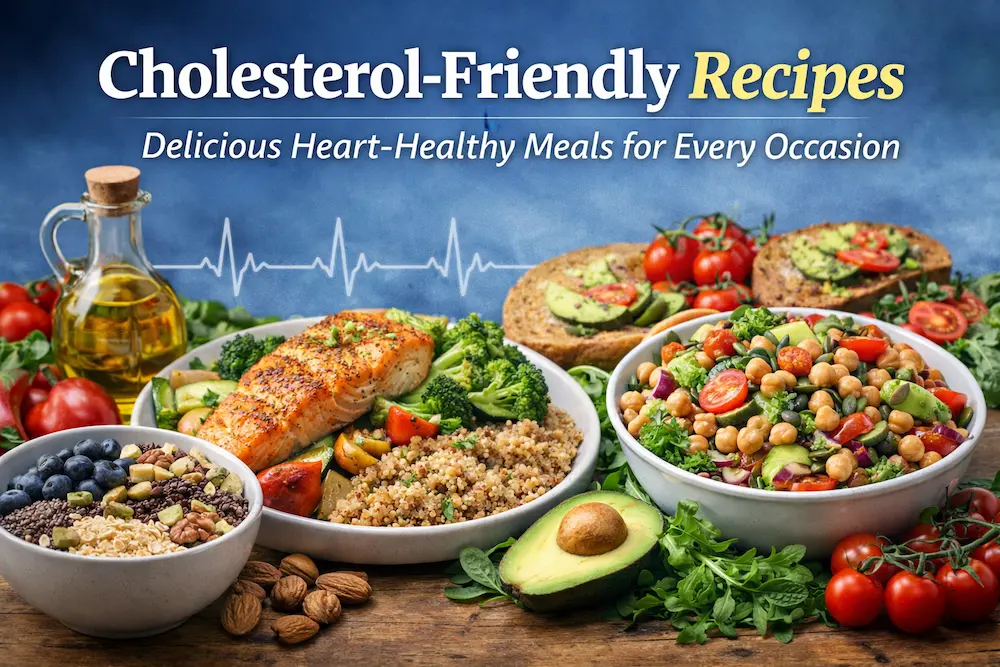
- The best meals for high cholesterol usually include foods like oats, beans, salmon, olive oil, berries, vegetables, and whole grains.
- You can eat potatoes if you have high cholesterol—what matters most is how they are cooked and what you eat with them.
- Blueberries may help support cholesterol management as part of a heart-healthy eating pattern thanks to their fiber and beneficial plant compounds.
- A sustainable low LDL diet is not about perfection. It is about making smarter swaps more often.
If you are trying to lower cholesterol, the worst thing you can do is assume heart-healthy food has to be bland, restrictive, or joyless.
That idea keeps people stuck.
The truth is that some of the best heart-healthy meals are colorful, filling, deeply satisfying, and surprisingly easy to make. You do not need to live on dry salads or plain chicken. You need recipes that actually work in real life—on busy weekdays, relaxed weekends, and those moments when you want comfort food without sabotaging your health goals.
When I first started helping people build a more heart-supportive way of eating, I noticed something simple: the people who did best were not chasing “perfect” foods. They were building repeatable meals—breakfasts, lunches, and dinners they genuinely liked enough to make again.
This guide gives you exactly that.
Why These Cholesterol-Friendly Recipes Work
A smart cholesterol-lowering approach usually focuses on three nutrition pillars:
1. Soluble Fiber
Soluble fiber helps bind cholesterol in the digestive system so the body can remove more of it. Foods like oats, beans, lentils, apples, berries, and chia seeds are especially helpful.
2. Healthy Fats
Not all fats are equal. Replacing some saturated fats with olive oil, avocado, nuts, seeds, and fatty fish can support a healthier cholesterol profile.
3. Lean and Plant-Forward Proteins
Protein matters, but the source matters too. Salmon, legumes, tofu, and skinless poultry are usually better choices for a low LDL diet than heavily processed meats or fried options.
That is why the recipes below are designed to be practical, satisfying, and medically sensible without feeling overly clinical.
What Are the Best Meals for High Cholesterol?
The best meals for high cholesterol usually have this structure:
- A fiber-rich base like oats, quinoa, lentils, brown rice, or vegetables
- A lean protein like salmon, beans, tofu, or chickpeas
- A healthy fat like olive oil, avocado, walnuts, or seeds
- Minimal fried ingredients, processed meats, and heavy creamy sauces
In other words, the best meals are not just “low-fat.” They are balanced, whole-food-based, and rich in ingredients that actively support heart health.
Featured Cholesterol-Friendly Recipes
1. Steel-Cut Oats with Blueberries, Chia, and Walnuts
This is one of the best breakfast options for anyone building a low LDL diet.
Prep Time
5 minutes
Cook Time
20 minutes
Servings
2
Ingredients
- 1 cup steel-cut oats
- 3 cups water
- 1 cup blueberries
- 2 tablespoons chia seeds
- 1/4 cup chopped walnuts
- 1 teaspoon cinnamon
- 1 small apple, diced
- Optional: splash of unsweetened almond milk
Instructions
- Bring the water to a boil in a medium saucepan.
- Stir in the steel-cut oats and reduce heat to low.
- Cook for about 20 minutes, stirring occasionally, until tender.
- Add cinnamon and diced apple during the last 5 minutes of cooking.
- Divide into bowls and top with blueberries, chia seeds, and walnuts.
- Add a small splash of unsweetened almond milk if desired.
Heart-Health Highlight
This breakfast supports cholesterol management by combining soluble fiber from oats and apple with healthy fats from walnuts and chia seeds.
Can Blueberries Lower Cholesterol?
Blueberries are not a magic cure, but they can absolutely support a heart-healthy eating plan. They provide fiber and beneficial plant compounds called polyphenols, which may help improve overall cardiovascular health when eaten regularly as part of a healthy diet.
2. Mediterranean Salmon with Quinoa and Roasted Vegetables
This is the kind of easy heart-healthy dinner that feels restaurant-worthy but is simple enough for a weeknight.
Prep Time
15 minutes
Cook Time
25 minutes
Servings
4
Ingredients
- 4 salmon fillets
- 1 cup quinoa
- 2 cups low-sodium vegetable broth or water
- 1 zucchini, sliced
- 1 red bell pepper, chopped
- 1 red onion, sliced
- 2 cups broccoli florets
- 2 tablespoons extra-virgin olive oil
- 1 lemon
- 2 cloves garlic, minced
- 1 teaspoon dried oregano
- 1/2 teaspoon black pepper
- Optional: chopped parsley
Instructions
- Preheat the oven to 400°F (200°C).
- Rinse the quinoa and cook it in broth or water according to package instructions.
- Place zucchini, bell pepper, onion, and broccoli on a baking sheet.
- Drizzle vegetables with 1 tablespoon olive oil, then season with garlic, oregano, and black pepper.
- Roast vegetables for 20 to 25 minutes.
- Place salmon on a separate baking tray or pan.
- Drizzle with remaining olive oil and squeeze lemon over the top.
- Bake salmon for 12 to 15 minutes, or until it flakes easily with a fork.
- Serve salmon over quinoa with roasted vegetables and garnish with parsley.
Heart-Health Highlight
Salmon provides heart-supportive omega-3 fats, while quinoa and vegetables add fiber and nutrients that make this a strong heart-healthy meal.
3. Creamy White Bean and Vegetable Soup
If you want comfort food that still fits your cholesterol goals, this is a winner.
Prep Time
10 minutes
Cook Time
30 minutes
Servings
4 to 6
Ingredients
- 2 cans low-sodium white beans, drained and rinsed
- 1 tablespoon olive oil
- 1 onion, diced
- 2 carrots, chopped
- 2 celery stalks, chopped
- 3 cloves garlic, minced
- 4 cups low-sodium vegetable broth
- 2 cups chopped kale or spinach
- 1 teaspoon dried thyme
- 1/2 teaspoon black pepper
- Juice of 1/2 lemon
Instructions
- Heat olive oil in a large pot over medium heat.
- Add onion, carrots, and celery. Cook for 5 to 7 minutes until softened.
- Stir in garlic and thyme and cook for 1 minute.
- Add beans and vegetable broth.
- Bring to a gentle boil, then reduce heat and simmer for 15 minutes.
- Blend about one-third of the soup for a creamier texture, then stir it back into the pot.
- Add kale or spinach and cook for 3 to 5 minutes.
- Finish with lemon juice and black pepper before serving.
Heart-Health Highlight
Beans are one of the most reliable cholesterol-friendly ingredients because they provide soluble fiber and plant protein in the same bowl.
4. Avocado Chickpea Power Salad
This is perfect for lunch, meal prep, or a light dinner.
Prep Time
15 minutes
Cook Time
0 minutes
Servings
2 to 3
Ingredients
- 1 can chickpeas, drained and rinsed
- 1 avocado, diced
- 2 cups mixed greens
- 1 cup cucumber, chopped
- 1 cup cherry tomatoes, halved
- 1/4 red onion, thinly sliced
- 2 tablespoons pumpkin seeds
- 2 tablespoons extra-virgin olive oil
- Juice of 1 lemon
- 1 teaspoon Dijon mustard
- Black pepper to taste
Instructions
- Add chickpeas, greens, cucumber, tomatoes, red onion, and avocado to a large bowl.
- In a small bowl, whisk olive oil, lemon juice, mustard, and black pepper.
- Pour dressing over salad and toss gently.
- Sprinkle pumpkin seeds on top and serve immediately.
Heart-Health Highlight
This dish is rich in fiber, healthy fats, and plant-based protein, making it one of the easiest cholesterol-friendly recipes to put on repeat.
What Is the 80/20 Rule for High Cholesterol?
The 80/20 rule for high cholesterol is a practical way to think about consistency.
It means aiming to make heart-healthy choices about 80% of the time, while leaving room for flexibility the other 20%. That does not mean anything goes. It means your overall pattern matters more than one single meal.
For example:
- Most of the week: oats, beans, fish, olive oil, vegetables, whole grains
- Occasionally: a dessert, a richer restaurant meal, or a less ideal snack
This approach helps people stay consistent long enough to actually see progress.
Can I Eat Potatoes if I Have High Cholesterol?
Yes, you can.
Potatoes are not the problem by themselves. They can fit into a cholesterol-conscious diet, especially when they are:
- Baked
- Boiled
- Roasted with olive oil
- Paired with vegetables and lean protein
The issue is usually the preparation:
- Deep-fried fries
- Loaded potato skins with cheese and bacon
- Butter-heavy mashed potatoes with cream
So yes, potatoes can absolutely be part of a heart-smart meal. Just cook them in a lighter way and build a balanced plate around them.
Myth-Busting: Cholesterol and Everyday Foods
Are Eggs Allowed?
Yes, for many people, eggs can fit into a heart-healthy diet. The bigger issue is often what comes with them—bacon, sausage, buttered toast, or fried sides. If you have very high LDL, diabetes, or a strong family history of heart disease, your doctor may recommend a more personalized plan.
Is All Fat Bad for Cholesterol?
Not at all. This is one of the most persistent myths in nutrition.
What matters is the type of fat:
- Better choices: olive oil, avocado, nuts, seeds, salmon
- Less helpful choices: trans fats, frequent fried foods, large amounts of processed fatty meats
Most people fail at this because they try to avoid all fats, then end up hungry and unsatisfied. A better strategy is to choose the right fats in sensible portions.
Healthy Substitution Guide
| Instead of this | Try this |
|---|---|
| Butter | Avocado oil or extra-virgin olive oil |
| White rice | Brown rice or quinoa |
| Creamy dip | Hummus or mashed avocado |
| Processed deli meat | Grilled chicken, chickpeas, or baked tofu |
| Sugary cereal | Steel-cut oats with berries |
| Fried potatoes | Roasted potatoes with olive oil |
| Sour cream | Plain Greek yogurt or unsweetened plant yogurt |
| Heavy cream sauce | Olive oil, herbs, lemon, and garlic |
| Bacon bits | Toasted nuts or seeds for crunch |
| White bread | Whole-grain bread |
How to Build Your Own Heart-Healthy Meals
Use this simple formula:
Step 1: Pick a fiber-rich base
- Oats
- Quinoa
- Brown rice
- Lentils
- Beans
- Sweet potatoes
Step 2: Add a smart protein
- Salmon
- Chickpeas
- Tofu
- White beans
- Skinless chicken
- Edamame
Step 3: Add healthy fats
- Olive oil
- Avocado
- Walnuts
- Chia seeds
- Pumpkin seeds
Step 4: Add color
- Berries
- Tomatoes
- Greens
- Broccoli
- Carrots
- Peppers
That is the backbone of countless heart-healthy meals and an easy way to make your diet more supportive of lower LDL.
Suggested Image Alt Text
- A vibrant bowl of steel-cut oats topped with blueberries, chia seeds, diced apples, and walnuts
- Baked Mediterranean salmon served with quinoa and roasted vegetables on a white plate
- A colorful chickpea and avocado salad with cucumber, tomatoes, mixed greens, and olive oil dressing
Final Thoughts
A successful low LDL diet does not need to feel like punishment. It can look like warm oats in the morning, a colorful bean soup for lunch, and an easy heart-healthy dinner built around salmon, olive oil, vegetables, and whole grains.
That is the real secret: meals you enjoy enough to keep making.
You do not need a perfect kitchen, an expensive supplement stack, or a complicated rulebook. You need a handful of reliable cholesterol-friendly recipes and the willingness to come back to them consistently.
What to Do Next
Pick one breakfast, one lunch, and one dinner from this article and put them into your week. That single step can shift your eating pattern faster than endlessly reading about what you “should” do.
And once you paste this into WordPress, remember to add a Recipe Schema plugin so search engines can better understand and display your recipe content.
If nothing changes, nothing changes. But if you stick with a few smart meals for the next 30 to 90 days, your health story can start moving in a very different direction.