
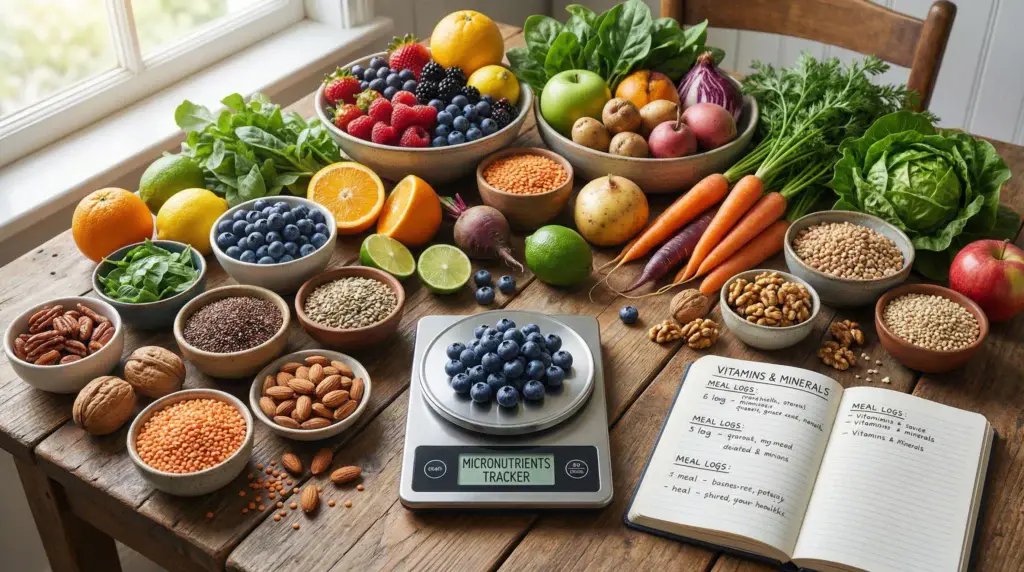

Micronutrients often fly under the radar in most weight loss conversations, but they actually play a pretty important role when you’re trying to shed pounds and feel energized. Unlike macronutrients—protein, fats, and carbs—micronutrients don’t directly provide energy; instead, they work behind the scenes to help your metabolism run smoothly and keep your body functioning well during a calorie deficit. Many people overlook them, not realizing that even with careful calorie or macro tracking, missing out on vital micronutrients can make losing weight much harder, slow down your progress, and leave you feeling less than your best.
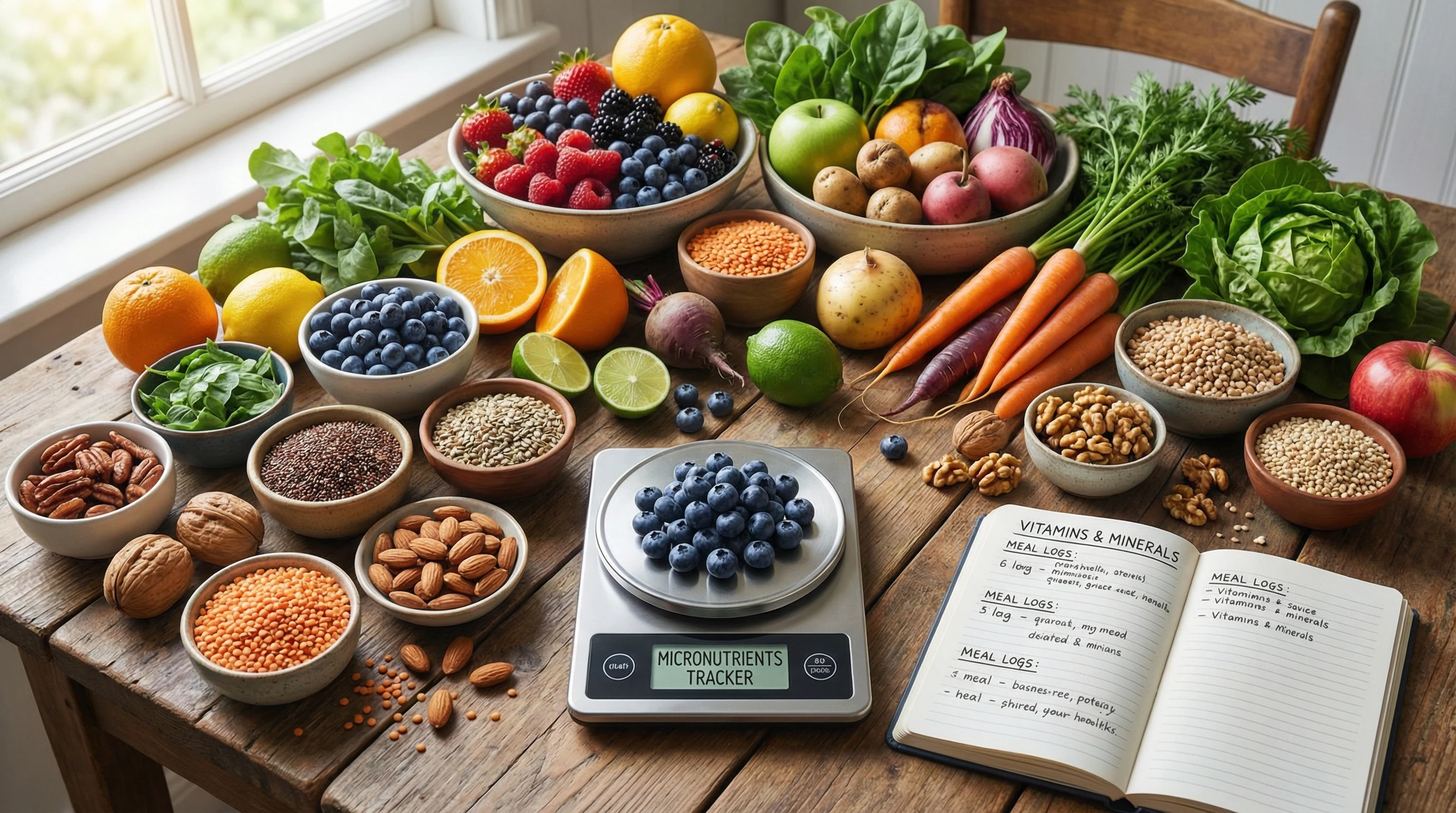
Micronutrients and Why They Matter for Weight Loss
Micronutrients include vitamins and minerals, like vitamin D, iron, calcium, magnesium, and a bunch of others. Each one serves its own purpose, ranging from supporting muscle function and hormone balance to giving your immune system a boost. When you don’t get enough of these nutrients, energy levels tend to dip, cravings get stronger, and workouts can start to feel tougher—things that can definitely stall your weight loss progress.
Most people zone in on calories or macros, but not having enough micronutrients can lead to some stubborn weight plateaus. The body’s metabolism gets sluggish if key nutrients are low, making any fat loss adventure feel way tougher than it should be.
Micronutrient Deficiency and Its Impact on Metabolism
Certain micronutrients are directly tied to how efficiently you burn calories. Take iodine and selenium, for example; they help the thyroid produce hormones that regulate metabolism. If you’re low on either, metabolism slows down. Vitamin D and calcium also step up muscle function so you can push harder in the gym. Not enough iron can lead to fatigue and weaker workouts. It’s all connected: a deficiency in just one vitamin or mineral can make losing weight a big challenge.
Wondering how to tell if you’re getting enough? Tracking micronutrients isn’t just for athletes or nutrition fanatics. Using a micronutrient calculator for food is a handy way to see if your meals are missing important vitamins or minerals. Cronometer is free, easy to use, and breaks down both macros and micronutrients in real time as you log your foods. This kind of tool is especially helpful if you are trying a new diet plan or have noticed plateaus even when sticking to your macros.
Setting Up Your Calorie Deficit and Tracking Needs
Creating a calorie deficit is at the core of weight loss. Figuring out the right daily calorie target depends on your Total Daily Energy Expenditure (TDEE), which measures how many calories you burn each day based on your age, body size, and activity level. Using a TDEE calculator helps pinpoint your maintenance calories so you can make a sensible deficit (usually 250-500 calories less per day is a great starting point).
If you want a simpler way, try this quick and free calorie deficit calculator to see how much to eat for steady weight loss. These calculators help you avoid the pitfall of eating too little (which can zap your energy) or too much (which can stall progress).
Sometimes people just track calories, but focusing on macros as well brings better results. Using the best macro calculator free tools is worth your time. Precision Nutrition’s tool will estimate your protein, fat, and carb needs based on your unique goals. Don’t forget, healthy weight loss is about more than just calories—nutrient quality matters too.
Micronutrients: Which Ones Support Weight Loss?
- Vitamin D: Linked to better fat loss, especially when paired with calcium. People, myself included, often find they’re low unless they supplement or get daily sunlight.
- Iron: Crucial for keeping your energy up for workouts and daily activities. Women are particularly prone to running low on iron, and low levels can leave you feeling tired or weak.
- Magnesium: Supports muscle recovery, improves sleep, and keeps blood sugar in check—which can help control cravings.
- Iodine & Selenium: Both are key for thyroid function and maintaining a steady metabolism.
- Chromium: Can keep blood sugar stable and maybe help with appetite control as well.
- B Vitamins: Help turn the food you eat into usable energy, boosting stamina for exercise and daily life.
Getting these nutrients from a balanced diet with lots of veggies, fruits, lean proteins, healthy fats, and whole grains works best. Supplements can be a good option if you struggle to get enough of specific nutrients like vitamin D or B12 from food. Always check in with your doctor before starting new supplements to make sure they fit your needs.
Protein and “Macros” Still Matter
Micronutrients keep everything running behind the scenes, but smart macronutrient (protein, fat, carbs) targets are still a must for weight loss. Protein, in particular, is super important for keeping muscle as you lose fat, helping you feel full, and assisting recovery.
Not sure how much protein you need? Try using a protein calculator. It’ll give you a personalized target based on your size, activity, and goals. Most people aiming for fat loss do well with 1.2–2.2 grams per kilogram of body weight each day; the more active you are (especially with lifting), the higher your needs.
Calories and macros go hand-in-hand, but don’t let micronutrients slip through the cracks. Combining a simple macro calculator with a micronutrient tracker helps cover all the bases for healthy, steady progress.
How Many Calories Do You Need to Lose Weight?
Calorie needs always depend on your size, age, activity, and how fast you want the weight to come off. Most calculators use your TDEE and subtract a comfortable amount to set up a deficit. Dropping 500 calories per day usually leads to about a pound of weight loss per week, which feels sustainable for most people. For a personalized answer, just feed your details into a reliable calorie calculator and see the suggested intake for fat loss.
A word of caution: going much lower than 1200 calories per day for women or 1500 for men isn’t recommended unless a doctor advises it. Eating too little can slow your metabolism and make micronutrient deficiencies more likely, which then makes losing weight even harder.
How to Easily Track Micronutrients in Your Food
I’ve noticed that most popular food tracking apps focus mainly on calories and macros, but a few shine when it comes to showing vitamins and minerals too. Cronometer and MyFitnessPal (premium version) are standout options for micronutrient tracking. Cronometer, in particular, lays out everything from vitamin K to zinc, updating in real time as you log meals. If you want to know exactly what your diet might be missing, check out their micronutrient calculator for food.
This type of detailed tracking helps a lot if you’re following a particular eating style (like vegan or keto), which can make it harder to get certain nutrients from food alone. If you spot any gaps, it’s easy to mix up your food choices or add a supplement to fill them in.
Common Hurdles and How to Handle Them
- Low Energy: Feeling wiped while cutting calories? Take a look at your iron, B12, and magnesium intake.
- Slow Progress: If you’re stuck, low amounts of thyroid-supporting nutrients like iodine or selenium could be holding you back.
- Cravings: Magnesium, zinc, and chromium are known to support blood sugar and reduce cravings.
- Muscle Loss: Not getting enough protein or vitamin D can make it harder to maintain muscle as you lose fat.
Testing, such as a blood panel from your doctor, can highlight specific gaps you can’t cover with food alone. Staying on top of your nutrition with trackers is a proactive way to avoid these common hurdles.
Frequently Asked Questions
Question: What’s the easiest way to know if I’m getting enough micronutrients while dieting?
Answer: Logging your meals into a tracker like Cronometer helps you spot if you’re coming up short on any vitamins or minerals. That makes it easier to tweak your eating habits and steer clear of deficiencies.
Question: Can taking a multivitamin speed up my weight loss?
Answer: Multivitamins can fill minor gaps, but they can’t fast-track fat loss. The best results come from a whole foods diet, moving your body, and sticking with a calorie deficit over time.
Question: Where can I find reliable free calculators for tracking calories, macros, and micronutrients?
Answer: Try TDEE Calculator for total calories, Cronometer for micros, and the Precision Nutrition macro calculator for your macronutrient needs. All are easy to use and don’t cost anything.
Final Thoughts
Paying attention to micronutrients can make weight loss smoother and really improve how you feel day to day. Using free tools for calories, macros, and micronutrient tracking is a smart strategy for long-term success. It’s less about aiming for perfection and more about finding a routine that works and makes you feel good as you move forward toward your goals.
Start by checking your meals with a food tracker, pick out a quality calorie and macro calculator, and stay tuned to how you feel. Over time, these habits can keep your energy steady, prevent nutritional gaps, and make your weight loss progress sustainable in the long run.