
Macros are a pretty big deal when it comes to making the keto diet work well for you. If you’re eating keto for the first time, it can be a lot to sort through. Macros, carb limits, protein percentages, and fat targets get tossed around everywhere. A bit of know-how goes a long way in keeping the process straightforward, and learning how to track your macros can make sticking with keto feel way more doable.
What Are Macros, and Why Do They Matter for Keto?
Macros, short for macronutrients, are basically protein, fat, and carbohydrates. Every bite of food you eat has some mix of these three. On a keto diet, tuning your macros makes all the difference. The classic keto setup is high in fat, low in carbs, and moderate in protein. Getting the right ballpark for your percentages—typically about 70-75% fat, 20-25% protein, and 5-10% carbs—gets your body into ketosis, where it burns fat for fuel.
It’s not just about keeping carbs super low. Eating too much protein can mess with ketosis as well. If you’re eating a bunch of fat but not enough, say, leafy greens or protein, you’ll probably have trouble feeling satisfied. So, understanding macros for keto helps you keep your meals balanced without having to second-guess every ingredient.
Key Benefits of Tracking Macros on Keto
Tracking macros isn’t about strict rules so much as finding out what works for your own body. Here’s what paying attention to macros on keto can offer:
- Steady weight loss: Macros give you a roadmap for burning fat without feeling like you’re starving.
- More energy: Getting those fat and protein numbers right can help you avoid that sluggish, drained feeling you might get on normal low-calorie diets.
- Better appetite control: When your macros are dialed in, you’ll likely feel fuller longer. No desperate snacking between meals.
- Helps avoid plateaus: Fine-tuning your macros is a handy way to troubleshoot if you stop seeing results.
Breaking Down Each Macro: What to Know
It’s helpful to know what each macro does, so you can spot the right balance in your meals:
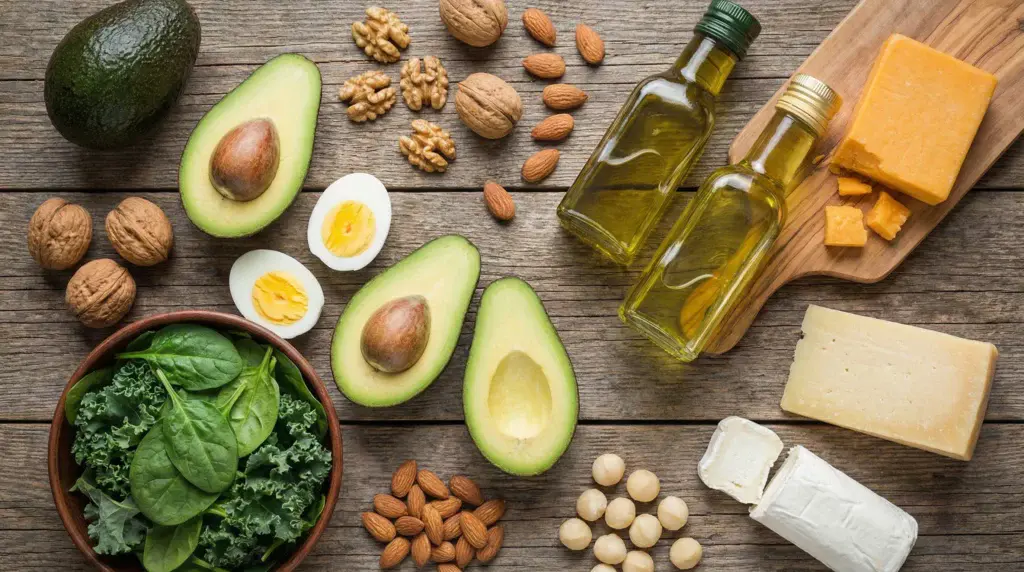
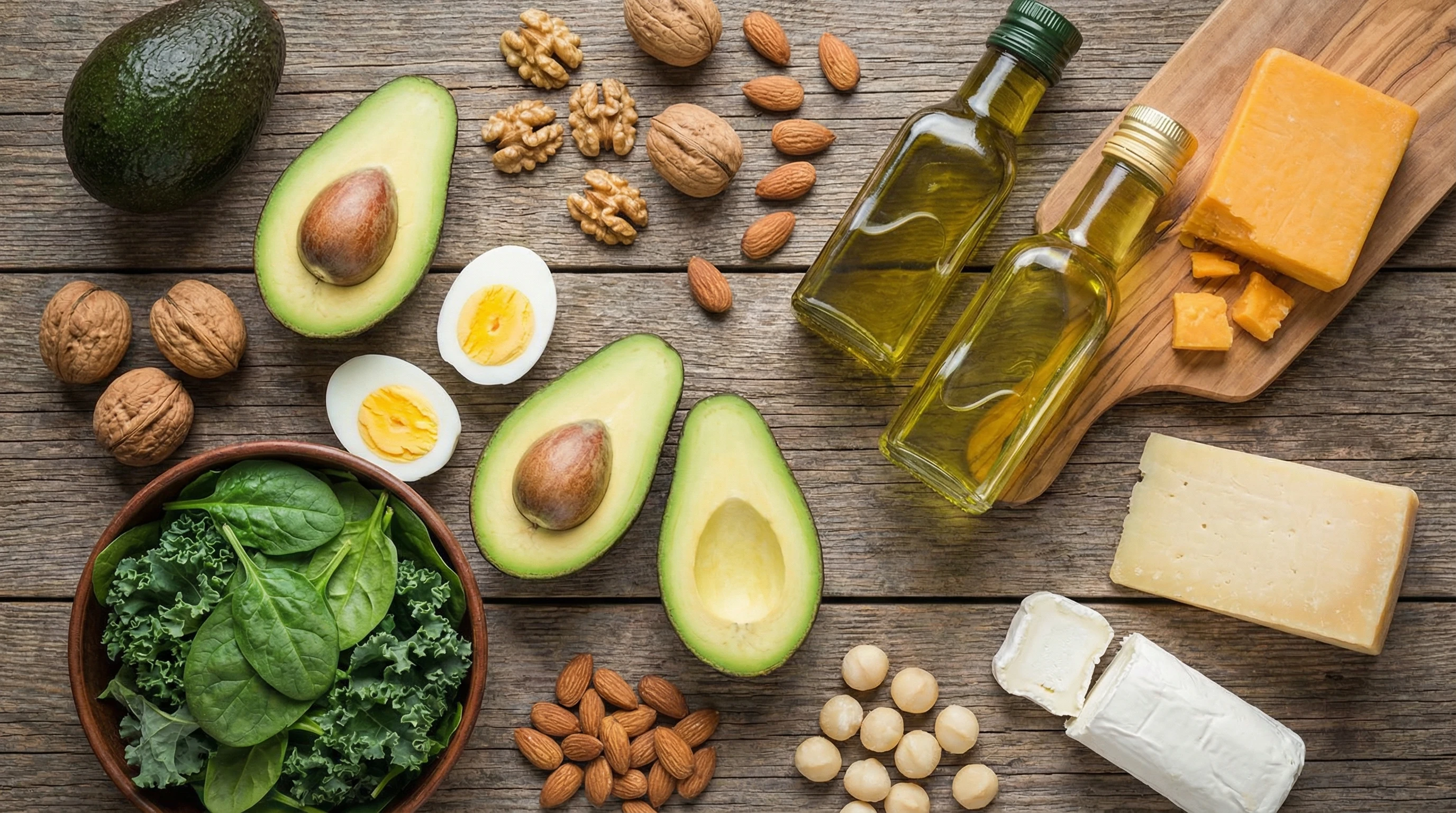
- Fat: This is your top fuel source on keto. Avocados, oils, nuts, seeds, fatty fish, and cheese are all strong choices to help you reach your fat target. Good fats keep you satisfied and give you steady energy.
- Protein: Eating enough protein keeps your muscles happy. Go for moderate protein: lean meats, poultry, eggs, fish, and some dairy. Too much protein can convert to glucose and potentially kick you out of ketosis, so keeping within keto friendly ranges matters.
- Carbs: Carbs are kept low, usually under 20-50 grams per day. Focus on fibrous veggies like spinach, broccoli, and cauliflower. Skip starchy veggies and sugary snacks. Low carb fruits like berries can fit in small amounts.
How to Calculate Your Macros for Keto
Customizing your macros is easier than it sounds. The numbers can change a bit depending on your age, activity level, and personal goals, but here’s the process I usually follow:
- Work out your total daily calorie needs. There are lots of calorie calculators online that can estimate this using your age, sex, weight, height, and how active you are.
- Set your keto ratios. Pick a macro distribution: usually 70-75% fat, 20-25% protein, and 5-10% carbs to start with.
- Break it down by gram: There are 4 calories per gram of protein and carb, and 9 calories per gram of fat. Once you know your target daily calories, you can break down how many grams of each macro you need.
Online keto macro calculators (like the ones from ruled.me or Perfect Keto) are pretty handy, since they’ll do the math and show you daily targets for fats, proteins, and carbs. Worth checking out if you’re not wild about crunching those numbers yourself.
Quick Guide: Handy Steps for Managing Your Keto Macros
Here’s a step-by-step to make managing macros less confusing:
- Start with a clear baseline: Track what you eat for a few days using an app or journal, just to see where your current macro ratios land.
- Plan your meals: Stick to whole foods with known macro profiles like eggs, avocados, cheese, and meat. Processed foods are tricky because they sometimes hide extra carbs or sugars.
- Use a food tracker: Apps like Carb Manager or MyFitnessPal are great for logging macros as you go. You just scan, weigh, or measure your food, and the app crunches the numbers.
- Check labels: Packaged foods vary a lot, so reading the nutrition facts carefully is really important for keeping carbs in check.
- Update as needed: Your needs might change if you lose weight, gain muscle, or switch up your workouts. It helps to review your macros every few weeks and tweak as you go.
To help people just starting out, begin by focusing on the major food groups most often found on keto, such as fish and healthy oils, and focus on portion control at first. Keeping a simple food log for a week can make a noticeable difference in spotting patterns. Try different styles of food tracking apps; some have barcode scanners, meal suggestions, or recipe integrations. Identify which one matches your habits best. If you prefer pen-and-paper, jot down meals and snacks with an emphasis on the three key macros. As you get more comfortable, you could try grouping common meals and creating premade “macro packs” for fast meal prepping.
A Few Things to Keep in Mind When Tracking Macros for Keto
Getting used to tracking can feel awkward at first. Here are a few tips to keep things running smooth:
- Ingredient quality: Not all fats and proteins are created equal. Go for nutrient dense whole foods to get better results and better nutrition overall.
- Watch out for hidden carbs: Condiments, sauces, and storebought keto snacks can be carb traps. Always double-check.
- Keto flu: When starting out, you might feel low on energy or have muscle cramps. Staying hydrated and adding in electrolytes (like salty broth) helps a lot.
- Social events: Eating out or going to parties is usually trickiest for keto macro tracking. Scanning menus in advance, bringing snacks, or just sticking with protein and greens makes things easier.
Ingredient Quality
Sticking with high quality sources of fats and proteins helps you feel better and get more micronutrients. Grassfed meats, organic eggs, and extra virgin olive oil are good picks. They’re richer in things like omega 3s and less likely to have weird fillers or additives.
Hidden Carbs
Hidden sugars lurk in salad dressings, barbecue sauce, and even low carb protein bars. Scan the nutrition facts and double-check the carb content; sometimes they use sneaky names like “maltodextrin” or “corn syrup solids.” Less processed foods make it easier to stay under your carb goal.
Keto Flu and Electrolytes
Feeling run down during your first week on keto? That’s normal. It’s called “keto flu.” This passes, but keeping up salt and water intake can speed things along. Bone broth or an electrolyte supplement can help with headaches, fatigue, or muscle cramps.
Social Situations
Eating keto around others sometimes takes some planning. Checking menus online, suggesting ketofriendly restaurants, or eating a quick snack beforehand can stop you from caving to tempting high carb options. Stay flexible, remembering that progress is more important than perfection.
Advanced Tips for Mastering Keto Macros
Once you’re used to the basics, some pro strategies help you get even better results:
Try cyclical or targeted keto: These advanced versions add in more carbs around workouts or in short cycles. If you’re an athlete or very active, these tweaks may help performance while still getting the benefits of keto.
Switch up your food sources: Variety matters. Rotate meats, veggies, and healthy fats so you don’t get bored or short on nutrients. Trying new proteins, like duck or lamb, and exploring different oils such as macadamia or walnut oil, can keep things interesting and well balanced.
Experiment with fasting: Pairing intermittent fasting with keto often leads to quicker ketosis and appetite control. It’s not for everyone, but worth exploring if you stall out. Several people find combining time restricted eating and keto helps them step up fat burning and mental clarity.
Listen to your body: Sometimes you’ll need to adjust macros based on feedback like hunger, energy, or plateaus. The numbers are just a starting point; real world results matter more. Think about keeping a short note or journal of how you feel after meals for more insight into what works best for you. Over time, these observations make it easier to tweak your diet.
One tip is to integrate more fiber rich vegetables to help with digestion and gut health. You might also explore supplementing with magnesium or potassium if you feel sluggish or crampy. Regularly mix in some variety not only in foods but in spices as well—spices like turmeric or ginger can add flavor and health benefits.
Real-World Benefits of Keeping Keto Macros on Track
Lots of folks find keto macro tracking turns guesswork into something you can measure and improve. Here are some practical wins you might see:
- Weight loss: In my experience, tracking makes it easier to hit calorie and macro goals for steady progress.
- Blood sugar control: Several studies show keto can support stable energy, better focus, and fewer cravings for sweets. (See Healthline for more info)
- Better mental clarity: People often report clearer thinking and improved mood when they’re dialed in with keto macros, probably thanks to more stable energy.
Some people also notice improved skin clarity, better sleep, and reduced bloating after staying on target with their keto macros—benefits that go beyond the scale. The process of paying attention to macros can make you more aware of your body’s signals and help you make better food choices overall.
Another plus is that tracking macros helps you spot patterns such as trigger foods that make you feel sluggish or tempt you to break your plan. The feedback loop between planning, tracking, and adjusting offers a strong foundation for healthy habits that stick with you over the long term.
Frequently Asked Questions
I get a lot of questions about keeping macros in check on keto, especially when starting out. Here are a few:
Question: Do I really have to track every single bite?
Answer: It helps a lot in the beginning, but after a while, many people get good at eyeballing portion sizes. If you see results and feel good, you’ll know you’re on track.
Question: What’s the best app for tracking macros?
Answer: Carb Manager is super popular, and MyFitnessPal has a massive food database. Both make it pretty easy to scan and log foods on the go.
Question: What happens if I go over my carb limit?
Answer: Accidentally having a few extra carbs won’t undo the benefits of keto, but you might get knocked out of ketosis temporarily. Just get back on track with your next meal.
Wrapping Up
Paying attention to your macros is a key part of making keto work without a ton of stress. Once you understand how much fat, protein, and carbs fit your body, everything else starts to fall into place. With a little practice and some tracking, hitting your keto macro goals gets a whole lot easier, and you’re more likely to see the results you want along the way. Remember to tune into your body, keep experimenting with meal choices, and stay consistent. Over time, macros become second nature, making this way of eating a normal, sustainable part of your routine.