
Sustainable living often sounds like a huge lifestyle project. People imagine expensive eco-products, strict food rules, and a complete overhaul of daily life. In reality, one of the most practical places to start is with the way you eat. That is exactly why the Mediterranean diet for sustainable living makes so much sense.
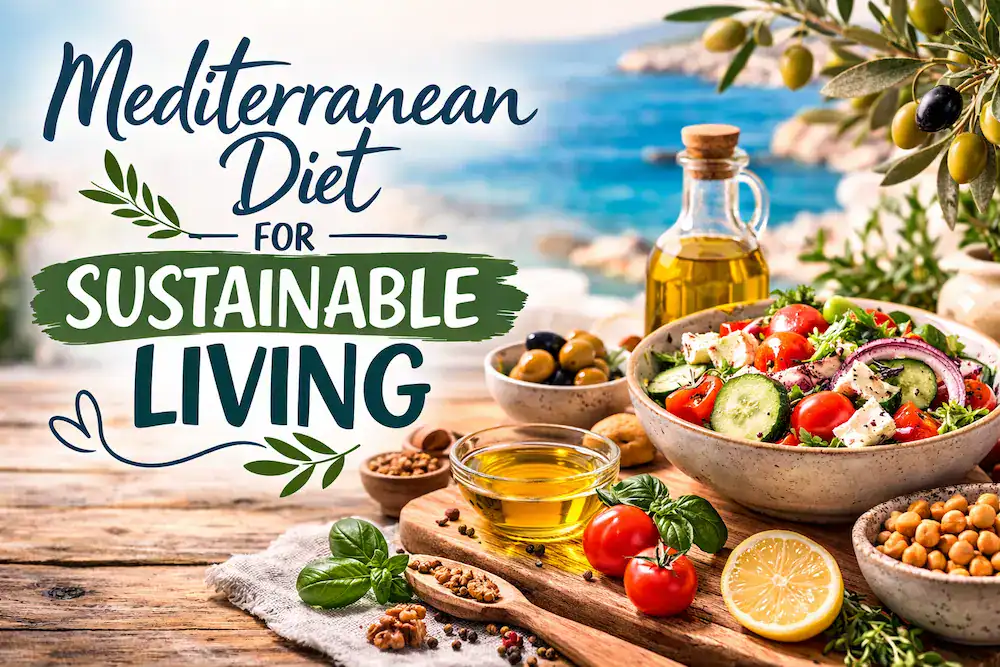
The Mediterranean diet is not only known for its health benefits. It also fits naturally with a more sustainable way of living because it emphasizes simple, seasonal, minimally processed foods and a more thoughtful relationship with meals. Instead of centering everything around heavily packaged convenience products, it encourages vegetables, legumes, whole grains, fruit, olive oil, nuts, seeds, herbs, and moderate amounts of fish, dairy, and eggs.
This way of eating supports both personal health and a more balanced approach to food choices. It is not about perfection. It is about eating in a way that is more realistic, less wasteful, and easier to maintain for the long term.
Why the Mediterranean diet fits sustainable living
The Mediterranean diet works well for sustainable living because it is built around foods that are generally simple, versatile, and less dependent on heavy processing.
Meals often start with vegetables, beans, lentils, grains, olive oil, herbs, and fruit rather than highly packaged products. That naturally encourages less waste, more home cooking, and better use of basic ingredients. A bag of lentils, a bottle of olive oil, fresh tomatoes, onions, greens, yogurt, eggs, and whole grains can be turned into many different meals without needing a kitchen full of specialty products.
This pattern also supports moderation. Meat is usually not the center of every plate. Plant foods play a bigger role. Leftovers are easier to reuse. Seasonal produce becomes more useful. Meals feel more connected to everyday life instead of being built around convenience foods that create more packaging and often more waste.
That is one of the biggest reasons this style of eating has lasted. It is practical.
Mediterranean diet for sustainable living food list
A strong Mediterranean diet for sustainable living food list includes ingredients that are flexible, nourishing, and easy to use in multiple meals.
Vegetables are the foundation. Tomatoes, cucumbers, zucchini, peppers, onions, leafy greens, eggplant, carrots, broccoli, cauliflower, and cabbage all fit well. Fruit also plays a central role, especially apples, oranges, berries, grapes, pears, figs, and citrus.
Legumes are one of the most useful categories for sustainable Mediterranean eating. Lentils, chickpeas, white beans, black beans, and peas are affordable, filling, and easy to store. Whole grains such as oats, brown rice, quinoa, barley, bulgur, and whole grain bread also fit naturally into this pattern.
Healthy fats come mainly from olive oil, olives, nuts, and seeds. Protein can include fish, yogurt, cheese in moderate amounts, eggs, beans, and occasional poultry. Herbs, garlic, lemon, and spices help keep meals flavorful without depending on processed sauces.
This kind of food list works well because the same ingredients can be used in soups, salads, bowls, trays, snacks, and simple dinners throughout the week.
Mediterranean diet food list
A practical Mediterranean diet food list often includes:
Olive oil
Olives
Tomatoes
Cucumbers
Leafy greens
Peppers
Onions
Garlic
Eggplant
Zucchini
Carrots
Broccoli
Cauliflower
Cabbage
Lentils
Chickpeas
White beans
Black beans
Oats
Brown rice
Barley
Quinoa
Whole grain bread
Greek yogurt
Eggs
Feta or other simple cheeses
Fish
Chicken in moderate amounts
Nuts
Seeds
Fresh fruit
Herbs
Lemon
Spices
The beauty of this list is that it does not require trendy foods. Most of these ingredients are easy to find, easy to store, and easy to build into a sustainable weekly routine.
Mediterranean diet for sustainable living recipes
The best Mediterranean diet for sustainable living recipes are the ones that help you use simple ingredients well and reduce food waste.
A lentil soup with onion, carrot, celery, olive oil, and tomato is one of the best examples. It is budget-friendly, filling, and easy to make in batches. A chickpea salad with cucumber, tomato, parsley, lemon, and olive oil is another strong option because it uses basic ingredients and works for lunch, dinner, or leftovers.
Roasted vegetables with olive oil and herbs can be used in grain bowls, wraps, side dishes, or mixed into eggs the next day. Baked fish with lemon and greens is a classic Mediterranean meal that feels fresh and simple without being complicated. A vegetable omelet with spinach, onion, and tomato is another practical meal that works well when you need something quick.
Yogurt bowls with fruit, nuts, and seeds also fit this pattern. They are easy, nutritious, and help reduce reliance on packaged breakfast foods.
The most sustainable recipes are often the simplest ones because they use ingredients you can keep rotating through the week.
Mediterranean diet recipes
A few core Mediterranean diet recipes can make daily eating much easier.
A classic Greek-style salad with tomatoes, cucumbers, olives, onion, olive oil, and a little cheese is one of the easiest meals to repeat. Lentil stew with vegetables is another staple that supports both health and affordability. Grain bowls made with brown rice or quinoa, roasted vegetables, chickpeas, and yogurt sauce are also very practical.
Other simple Mediterranean recipes include baked salmon with herbs, hummus with vegetable plates, stuffed peppers with rice and beans, roasted potatoes with olive oil and rosemary, and whole grain toast with avocado, eggs, or tomatoes.
These meals work well because they are based on ingredients that can be reused in many ways. That is a big part of sustainable living. You do not need endless variety. You need reliable foods that help you waste less and cook more confidently.
Mediterranean diet for sustainable living meal plan
A practical Mediterranean diet for sustainable living meal plan should be simple enough to follow without making life harder.
Breakfast might be Greek yogurt with oats, fruit, and seeds, or eggs with whole grain toast and sliced tomatoes. Lunch can be lentil soup, chickpea salad, leftover roasted vegetables with grains, or a bean bowl with olive oil and lemon. Dinner can include baked fish with vegetables, a vegetable-and-bean stew, stuffed peppers, or a grain bowl with greens and yogurt sauce.
Snacks can stay simple with fruit, nuts, hummus, carrots, yogurt, or olives. The goal is to reuse ingredients where possible. If you roast vegetables for dinner, use them in lunch the next day. If you cook lentils, use some in soup and some in a salad. If you buy herbs, use them in several meals instead of letting them spoil.
That kind of meal plan supports sustainability because it reduces waste and keeps food choices realistic.
Mediterranean diet meal plan
A simple Mediterranean diet meal plan for a day could look like this:
Breakfast with plain Greek yogurt, berries, walnuts, and oats.
Lunch with lentil soup and a side salad.
Snack with an apple and a few almonds.
Dinner with baked salmon, roasted potatoes, and green vegetables.
Optional evening snack with cucumber, hummus, or a piece of fruit.
Another day might include eggs with spinach in the morning, chickpea salad at lunch, yogurt and fruit as a snack, and a vegetable-and-bean stew with brown rice for dinner.
This kind of planning works because it is repetitive in a helpful way. It gives structure without requiring endless decision-making.
Mediterranean diet for sustainable living 2022
Searches for Mediterranean diet for sustainable living 2022 often reflect growing interest in food systems that support both health and environmental awareness. That interest has stayed strong because the Mediterranean diet continues to be one of the most practical models for combining nutrition with everyday sustainability.
The reason is clear. It favors plant-forward meals, more home cooking, simple ingredients, and less reliance on ultra-processed food. Even as trends change, those principles remain useful. The Mediterranean pattern still stands out because it is not built around extremes. It is built around habits people can continue.
That long-term quality is what makes it so relevant to sustainable living.
How the Mediterranean diet helps reduce food waste
One of the best things about Mediterranean-style eating is how naturally it supports using food well.
Vegetables can be roasted, added to soups, mixed into salads, or folded into eggs. Beans can go into bowls, soups, dips, and salads. Yogurt can be used for breakfast, snacks, and sauces. Herbs can flavor multiple meals. Leftover grains can become lunch the next day. Even stale whole grain bread can be reused in practical ways instead of being thrown out.
This flexibility matters. Sustainable living is often less about buying special products and more about using ordinary food more intentionally.
The Mediterranean diet makes that easier because its ingredients are not locked into one single recipe.
Why this way of eating feels more realistic
A lot of people fail with healthy eating because they try to follow systems that do not fit real life. They buy ingredients they never use, attempt complicated recipes, and end up back with takeout or packaged food by the middle of the week.
The Mediterranean diet tends to work better because it is based on ordinary food and repeatable meals. A pot of soup, a tray of roasted vegetables, a bowl of cooked grains, some yogurt, eggs, olive oil, greens, and fruit can cover a surprising amount of the week.
That is sustainable in both senses of the word. It is easier on daily life, and it encourages a less wasteful food pattern over time.
A simple way to start
The easiest way to begin with the Mediterranean diet for sustainable living is not to change everything at once. Start with a few basics.
Use olive oil more often instead of heavily processed sauces. Add one bean or lentil meal this week. Roast extra vegetables and use them twice. Keep fruit, yogurt, eggs, and nuts around for easy meals and snacks. Plan one simple grain-based lunch that can repeat for two or three days.
Those small changes may not look dramatic, but they create the kind of routine that lasts.
Final thoughts
The Mediterranean diet for sustainable living is powerful because it brings two important goals together. It supports better health while also encouraging a more practical, less wasteful, and more thoughtful way of eating. It does not ask for perfection. It asks for simpler food, better habits, and more consistency.
That is why this approach keeps making sense year after year. It helps people eat more vegetables, legumes, grains, fruit, olive oil, and real meals while cutting back on the kind of food patterns that are harder on both health and daily life. In the long run, sustainable living is not built on dramatic gestures. It is built on habits you can keep. The Mediterranean diet is one of the clearest examples of that.