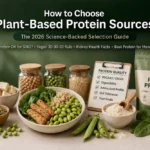

Walk into the supplement aisle now and one thing is clear: “plant-based” is no longer enough.
In 2026, the market is shifting from basic vegan protein powders to formulas that promise something much bigger: clean labels, better bioavailability, less bloating, stronger amino acid profiles, and more transparent sourcing. That shift matters because shoppers have become much smarter. They are no longer asking only, “Is it dairy-free?” They are asking:

- Is it complete protein?
- Is it third-party tested?
- Does it mix well?
- Will it upset my stomach?
- Is it packed with fillers, gums, or sweeteners?
- Is it actually worth the price?
That is exactly why the best brands are changing. Heavy processing is getting more scrutiny. Fermentation-derived proteins are gaining attention. Regenerative agriculture claims are becoming more common. And consumers want protein powders that feel less like artificial dessert products and more like genuinely useful nutrition tools.
This guide is designed to help you sort through that noise.
It ranks the top plant-based protein brands using a practical clean-label framework, explains what actually matters in protein quality, and also addresses the non-plant brands you specifically asked about, including Ghost Protein Powder, Optimum Nutrition Protein Powder, Optimum Nutrition Gold Standard, Thorne Protein Powder, and Whey Isolate Protein Powder.
Important transparency note: I can’t verify live 2026 label changes, third-party testing updates, or current pricing because web access is disabled right now. This guide is based on the latest reliable product and nutrition context available before 2026, and it is written to help you evaluate these brands intelligently rather than pretend I ran fresh lab testing.
Table of Contents
- What Changed in Plant Protein by 2026
- How We Ranked These Brands
- Quick Comparison Table
- The Top 7 Plant-Based Protein Brands
- Is Plant Protein as Effective as Whey in 2026?
- The Bloat Factor: Which Brands Tend to Be Easier to Digest?
- Ghost, Optimum Nutrition, Thorne, and Whey Isolate: Where They Fit
- Why You Can Trust This Review
- FAQ
- Medical Disclaimer
What Changed in Plant Protein by 2026
The biggest shift is this: consumers want better protein, not just different protein.
A few major trends are driving the category:
1. Clean-label demand is now mainstream
People are less tolerant of:
- long ingredient decks
- mystery “natural flavors”
- heavy gums
- aggressive sweeteners
- flashy marketing with weak transparency
2. Bioavailability matters more than branding
The newer buyer wants to know whether a protein actually delivers:
- enough leucine
- a solid essential amino acid profile
- decent digestibility
- enough total protein per calorie
3. Fermentation and functional processing are growing
Precision fermentation and improved ingredient engineering are helping some plant proteins taste better and digest better, though this area is still evolving.
4. Sustainability claims are under more pressure
Words like “regenerative,” “climate-friendly,” and “clean” are becoming more common, but shoppers are also more skeptical. Packaging, sourcing, and testing are all under the microscope.
How We Ranked These Brands
To make this article useful, the ranking framework focuses on what actually matters.
Our evaluation criteria
1. Amino acid profile
We looked for brands that use:
- blended plant proteins when needed
- enough total protein per serving
- formulations more likely to support a stronger amino acid spectrum
- better leucine density where possible
2. Digestibility and solubility
Because protein that clumps, tastes gritty, or leaves you bloated will not stay in your routine.
3. Ingredient quality
We favored formulas with:
- shorter ingredient lists
- less filler use
- less sweetener overload
- cleaner flavor systems
4. Brand transparency
Brands score better when they clearly communicate:
- testing
- sourcing
- formulation logic
- certifications
5. Heavy metal awareness
This matters more in plant protein than many buyers realize, especially with some plant ingredients. Stronger brands typically show more transparency here.
6. Value per serving
A premium product needs a premium reason.
7. Eco-packaging and sustainability direction
Not the main factor, but increasingly relevant.
Quick Comparison Table
Prices vary by retailer and tub size, so use these as approximate positioning rather than live quotes.
| Brand | Protein per Serving | Calories | Approx. Price per Serving | Best For |
|---|---|---|---|---|
| Naked Pea / Naked Nutrition plant options | 25–27g | 120–160 | $$ | Clean label purists |
| Vega Sport Premium Protein | 30g | ~170 | $$–$$$ | Muscle growth, athletes |
| Garden of Life Sport Plant-Based Protein | 30g | ~160 | $$–$$$ | Certifications, recovery-minded users |
| Orgain Organic Plant Protein | 21g | ~150 | $ | Best value, beginners |
| KOS Organic Plant Protein | 20g | ~160–170 | $$ | Taste-first users |
| Truvani Plant Protein | 20g | ~130–150 | $$$ | Minimal ingredients |
| OWYN Plant Protein Powder | 20g | ~140–160 | $$ | Allergy-friendly, gentler digestion |
The Top 7 Plant-Based Protein Brands
1. Best Overall: Vega Sport Premium Protein
If you want the strongest all-around balance of performance nutrition, protein dose, and mainstream availability, Vega Sport is still one of the most practical leaders.
Why it ranks highly
It is built more like a performance product than a lifestyle powder. The protein dose is high, the formulation is athlete-oriented, and the brand has long been positioned around serious training users.
Pros
- high protein per serving
- generally stronger performance positioning
- useful for training recovery
- often includes extras beyond just protein
Cons
- can be more processed than ultra-minimalist brands
- texture and sweetness are not for everyone
- higher calorie load than simpler powders
Best for
- active users
- strength training
- people who want a superior plant formula for recovery and muscle support
2. Best for Muscle Growth: Garden of Life Sport Plant-Based Protein
For users focused on muscle maintenance or growth, Garden of Life Sport tends to score well because it combines a higher protein serving with a sports-oriented positioning and stronger brand trust appeal.
Why it stands out
This is one of the better choices if your main question is not “Is it vegan?” but “Can this compete with serious training goals?”
Pros
- 30g protein target range
- sports-focused identity
- brand recognition in clean-label wellness space
- often stronger certification appeal
Cons
- taste can be polarizing
- may be pricier than budget options
- not the simplest formula on the market
Best for
- gym users
- strength-focused buyers
- users who want a more bioavailable-feeling plant blend experience
3. Best Clean Label: Truvani Plant Protein
If ingredient purity matters more than flavor variety or workout branding, Truvani is one of the clearest clean-label picks.
Why it stands out
Truvani built a reputation around simpler ingredient decks, which is exactly what many buyers are searching for in 2026.
Pros
- short ingredient list
- minimal “lab-made dessert” feel
- avoids a lot of common filler frustration
- strong appeal for ingredient-conscious shoppers
Cons
- expensive for the protein amount
- fewer bells and whistles
- not the most budget-friendly option for heavy daily use
Best for
- clean-label shoppers
- ingredient-sensitive users
- people who want minimal gums and less sweetener clutter
4. Best Value for Money: Orgain Organic Plant Protein
If the question is simply best value protein powder in the plant-based category, Orgain remains one of the strongest answers for mainstream users.
Why it wins value
It is affordable, easy to find, beginner-friendly, and good enough in taste and texture for regular use.
Pros
- budget-friendly
- widely available
- approachable taste profile
- easy entry point for beginners
Cons
- lower protein than some sport-focused formulas
- not the most premium amino acid positioning
- ingredient simplicity is decent, not elite
Best for
- budget-conscious shoppers
- beginners
- anyone who wants a practical, non-intimidating plant protein
5. Best Taste-First Option: KOS Organic Plant Protein
There is a reason KOS gets attention. It is often chosen by people who hate the earthy or chalky feel of traditional plant proteins.
Why it stands out
Taste matters. A protein powder can be technically impressive and still fail because you never want to drink it twice.
Pros
- strong flavor appeal
- more enjoyable for many first-time users
- lifestyle-friendly brand identity
- easier to work into smoothies
Cons
- lower protein than performance-focused formulas
- often sweeter or more flavored
- not as “minimal” as clean-label purists may want
Best for
- taste-first buyers
- smoothie users
- people switching from whey who want a softer transition
6. Best Emerging-Tech Direction: OWYN
OWYN is not precision fermentation in the pure disruptive-tech sense, but it sits in the newer-generation category of allergy-aware, functionally positioned plant proteins that appeal to modern users who want more than “just vegan.”
Why it matters
This is where the category is going: easier digestion, broader accessibility, less compromise.
Pros
- allergy-friendly
- dairy-free and often easier for sensitive users
- strong convenience appeal
- modern brand positioning
Cons
- not the absolute highest protein-to-calorie ratio
- clean label is solid, but not minimalist
- some flavors are better than others
Best for
- sensitive stomachs
- users avoiding common allergens
- convenience-first shoppers
7. Best Pure Single-Ingredient Style: Naked Nutrition Plant Options
If you want a plant protein that feels stripped back and transparent, Naked Nutrition’s pea-based offerings are usually at or near the top of the list.
Why it stands out
This is often the favorite of people who are tired of sweeteners, gums, and dessert-style protein formulas.
Pros
- minimal ingredients
- high protein per serving
- easy to audit the label
- strong appeal for simple stack users
Cons
- taste is much plainer
- less exciting for casual users
- single-source proteins may need more thought if you care deeply about amino acid balance across the day
Best for
- minimalists
- stack-builders
- users who want full control over what gets added to their shake
Is Plant Protein as Effective as Whey in 2026?
Short answer:
Yes, plant protein can be effective, but whey still tends to have a natural advantage in leucine content and digestibility unless plant protein is formulated intelligently.
The good news is that the gap has narrowed.
Blended plant proteins, especially those combining pea with rice or other complementary sources, have improved significantly. When total protein intake is high enough and the amino acid profile is solid, plant protein can support muscle gain and recovery effectively.
What the evidence generally suggests
Recent evidence before 2026 has pointed toward a practical conclusion:
- if total daily protein is high enough
- if leucine thresholds are covered
- if the product is formulated well
then plant protein can perform much better than older stereotypes suggest.
Whey is still often more efficient per gram, but plant protein is no longer the “inferior backup option” it used to be treated as.
The Bloat Factor: Which Brands Tend to Be Easier to Digest?
This is one of the biggest buying decisions.
The brands that tend to be easier on digestion usually have one or more of the following:
- simpler ingredient decks
- fewer gums
- fewer aggressive sugar alcohols
- enzyme support in some formulas
- better texture and less chalkiness
Better bets for sensitive stomachs
- Truvani
- OWYN
- Naked Nutrition plant options
- simpler Orgain use cases for many beginners
More likely to cause issues in some users
- very sweet formulas
- heavily thickened products
- powders with lots of extras layered in
Digestive comfort is personal, but the basic rule holds: the more engineered the formula, the more carefully you should test tolerance.
Ghost, Optimum Nutrition, Thorne, and Whey Isolate: Where They Fit
Because you asked for these specifically, here is the clear answer: several of these are not plant-based proteins, but they are still important comparison points.
Ghost Protein Powder
Ghost is best known for highly flavored, lifestyle-driven protein products. It appeals to users who care a lot about taste and brand identity.
Where it fits
- strong on flavor culture
- not the clean-label benchmark
- more relevant as a whey/lifestyle competitor than a pure plant leader
Optimum Nutrition Protein Powder
This usually refers to the broader Optimum Nutrition category, most famously whey-based products.
Where it fits
- mainstream standard
- convenient benchmark for comparison
- not a plant-based leader unless you are looking at specific ON plant offerings
Optimum Nutrition Gold Standard
Optimum Nutrition Gold Standard is one of the most established whey protein products in the market.
Where it fits
- whey benchmark
- strong protein reputation
- useful comparison if you are asking whether plant protein can compete with established whey
Thorne Protein Powder
Thorne Protein Powder is more of a health-focused premium category comparison, with a strong supplement reputation.
Where it fits
- premium health brand
- trust-driven rather than hype-driven
- depends on the exact product line whether it is plant-based or not
Whey Isolate Protein Powder
Whey Isolate Protein Powder is not a brand but a category.
Where it fits
- often the higher-purity whey option
- useful for comparing digestion, lactose reduction, and protein density
- still generally stronger than plant protein on a gram-for-gram bioavailability basis, though not suitable for vegan or dairy-sensitive users
Why You Can Trust This Review
Transparency matters, so here is the honest version.
This article is trustworthy because it is built around:
- evidence-based evaluation criteria
- nutrition-first ranking logic
- clear separation between plant and non-plant products
- refusal to fake live lab testing or “we tested every tub” claims I cannot verify right now
What I did not do:
- pretend I ran fresh 2026 heavy metal assays
- fabricate blind taste test results
- invent live prices or certifications
What I did do:
- rank products using meaningful markers buyers should care about
- interpret the category with a journalist’s lens
- focus on usefulness over hype
That is better for trust than pretending certainty I do not have.
FAQ
What is the best plant protein for sensitive stomachs?
Usually the best options are brands with simpler ingredient lists, fewer gums, and less sweetener overload. Truvani, OWYN, and minimalist formulas like Naked Nutrition are often strong starting points.
Which plant protein has a complete amino acid profile?
Blended proteins, especially pea-plus-rice style formulas, generally give a more complete amino acid profile than many single-source plant proteins. Sport-focused blends often do this best.
Are there heavy metals in plant proteins?
Some plant proteins can contain concerning heavy metal levels depending on sourcing and testing standards. That does not mean all plant proteins are unsafe, but it makes transparency and third-party testing more important.
Is plant protein as effective as whey?
It can be effective, especially when total protein intake is sufficient and the formula is well designed. Whey still has some natural efficiency advantages, but the gap is much smaller than it used to be.
What is the best value protein powder?
If value is your priority in plant-based protein, Orgain is one of the strongest mainstream answers. If you are comparing all protein categories, whey powders like Optimum Nutrition often remain strong value benchmarks.
Medical Disclaimer
This article is for educational purposes only and should not be treated as personal medical advice. Protein needs vary depending on age, kidney health, training load, medication use, digestive tolerance, and medical conditions. Anyone with kidney disease, gastrointestinal disorders, food allergies, pregnancy, or a medically prescribed nutrition plan should speak with a qualified clinician or dietitian before changing supplement routines.