
Plant protein used to be judged by one shallow question: “How many grams per serving?”
That is no longer enough.
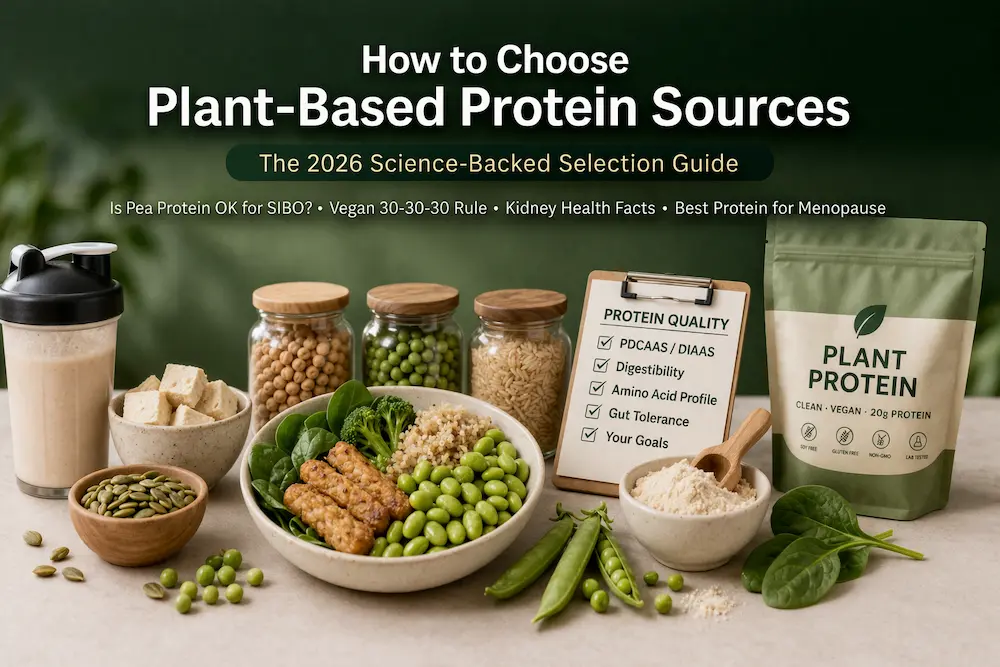
In 2026, the smarter question is this: How well can your body actually use that protein? Because a protein powder or food can look impressive on the label and still fall short if the amino acid profile, digestibility, or formulation is weak. This is where people get misled. They chase big numbers and ignore protein quality, gut tolerance, leucine content, and real-world usefulness.
That is why choosing plant protein now requires more than reading the front of the package.
To do it well, you need to understand two important concepts:
- PDCAAS: a score that estimates protein quality based on amino acid content and digestibility
- DIAAS: a newer and more precise method that looks at digestibility at the end of the small intestine and often gives a more realistic picture of how much protein your body can actually use
In simple terms:
- PDCAAS asks: “Does this protein contain the amino acids we need, and how digestible is it overall?”
- DIAAS asks: “How much of those amino acids actually get absorbed where it matters?”
That distinction matters because not all plant proteins perform equally. Some are better for metabolic health, some are easier on digestion, some are better for muscle retention, and some are especially useful during life stages like menopause.
This guide gives direct, practical answers to the questions people are actually searching for.
Table of Contents
- How to Choose Plant Protein the Smart Way
- Is Pea Protein OK for SIBO?
- What is the 30-30-30 Rule for Vegans?
- Does Plant Protein Increase Creatinine?
- Which Protein Powder is Best for Menopause?
- Plant Protein Comparison Table
- How to Hit the Leucine Threshold on Plant Protein
- How to Choose the Right Plant Protein for Your Goal
- FAQ
- Final Takeaway
How to Choose Plant Protein the Smart Way
Before getting into the specific user questions, here is the core framework.
When choosing plant-based protein sources, look at five things:
1. Total protein density
How much protein do you get per serving, calorie, or 100 grams?
2. Amino acid profile
Does the protein contain enough essential amino acids, especially leucine, lysine, and methionine?
3. Digestibility
Can your gut tolerate it well? This matters as much as the label.
4. Ingredient form
Is it a whole-food source, concentrate, isolate, sprouted blend, or fermented product?
5. Personal context
Your best protein source depends on:
- digestion
- training goals
- allergies
- life stage
- hormone considerations
- kidney status
- satiety needs
That is the real selection guide. Not hype. Not trends. Usefulness.
Is Pea Protein OK for SIBO?
Bottom line: Pea protein isolate is often tolerated better than pea fiber for people with SIBO, but tolerance depends on the formulation and your individual gut sensitivity.
This is one of the most misunderstood questions in plant protein.
The short answer
Pea protein in isolate form is usually much lower in fermentable carbohydrates than whole peas or pea fiber. That means it is often considered more SIBO-friendly than many people assume.
But there is a catch: not all pea protein products are the same.
Why pea protein can be tricky for SIBO
People with SIBO are often not reacting to “pea” as a concept. They are reacting to:
- residual fibers
- fermentation-prone carbohydrates
- gums or additives in the formula
- sweeteners
- poor overall gut tolerance during a flare
Pea fiber vs pea protein isolate
This distinction matters a lot.
Pea fiber
- much more likely to ferment
- more likely to trigger bloating and discomfort
- usually a worse fit for SIBO-sensitive users
Pea protein isolate
- much lower in fermentable carbs
- usually better tolerated
- often closer to low-FODMAP logic, depending on purity
That is why someone may react badly to pea-based whole-food products but tolerate a clean pea protein isolate just fine.
A smart SIBO strategy
If you have SIBO or a highly reactive gut:
- choose plain pea protein isolate
- avoid products with long ingredient lists
- avoid chicory root, inulin, and added fibers
- watch out for gums if you know they bother you
- test a small amount first
Pro tip for SIBO
Look for sprouted or fermented plant protein options if you are highly sensitive. These are not universally perfect, but they may reduce digestive burden for some users by making the protein easier to tolerate.
That said, SIBO tolerance is very individual. The cleanest formula is usually your best starting point.
What is the 30-30-30 Rule for Vegans?
Bottom line: The 30-30-30 rule means 30 grams of protein within 30 minutes of waking, followed by 30 minutes of low-intensity movement, and vegans need to plan this more intentionally.
This rule became popular because it sounds simple and actionable.
The standard 30-30-30 rule
It usually means:
- eat 30 grams of protein
- within 30 minutes of waking
- followed by 30 minutes of low-intensity steady-state exercise
The idea is to support:
- satiety
- stable energy
- blood sugar balance
- better daily structure
- muscle retention and appetite control
Why this is harder for vegans
Getting 30 grams of protein from plants at breakfast is not impossible, but it is harder than many people expect.
A banana, oats, almond milk, and chia seeds may sound healthy, but it usually will not get you close to 30 grams without intentional planning.
A vegan 30g breakfast example: smoothie version
Try this:
- 1 scoop pea-and-rice protein blend: 20–25g protein
- 1 cup unsweetened soy milk: 7–8g protein
- 2 tablespoons hemp hearts: 6–7g protein
- spinach
- cinnamon
- ice
That gets you into the right range fast.
A vegan 30g breakfast example: savory version
Try:
- tempeh scramble
- tofu
- nutritional yeast
- spinach
- mushrooms
- side of soy yogurt if needed
This is one of the easiest ways to hit the leucine threshold and get enough morning protein on a plant-based diet.
Why this matters
A breakfast with enough protein can help:
- reduce cravings later
- improve fullness
- support body composition
- improve adherence to healthy eating patterns
- support metabolic health
For plant-based eaters, this is less about rules and more about planning.
Does Plant Protein Increase Creatinine?
Bottom line: Plant protein does not automatically harm kidney function, and mild changes in creatinine do not necessarily mean kidney damage.
This is a very common fear, especially for people comparing plant protein to whey or meat-heavy diets.
First, what is creatinine?
Creatinine is a waste product related to muscle metabolism. It is commonly measured in blood tests as part of kidney function screening.
A slightly higher creatinine reading does not automatically mean kidney damage. Context matters.
Why protein confuses people here
Higher protein intake in general can affect lab interpretations in some situations. Muscle mass, hydration, supplements, and recent exercise can also influence readings.
That is why people sometimes panic when they see creatinine rise slightly.
Plant protein vs red meat
Plant proteins like:
- soy
- pea
- rice blends
are generally considered easier on the system than diets built heavily around red meat, especially in the context of long-term dietary patterns.
Plant-forward diets are often associated with:
- better blood pressure patterns
- lower dietary acid load
- better overall cardiometabolic profiles
- more fiber and phytonutrients
This is why plant-based protein is often considered more kidney-friendly than meat-heavy protein patterns, assuming the person tolerates it well and total intake is reasonable.
The key nuance
A high-protein diet can sometimes slightly raise blood creatinine without representing kidney injury. But if you have:
- chronic kidney disease
- reduced kidney function
- protein restriction guidance from a doctor
you need personalized advice.
For otherwise healthy people, plant proteins are not generally considered a kidney risk in the same way many internet myths suggest.
Which Protein Powder is Best for Menopause?
Bottom line: The best plant protein powder for menopause is usually soy isolate, pea protein, or pumpkin seed protein, depending on whether the priority is hormones, muscle retention, or mineral support.
Menopause changes the protein conversation.
The key concerns often include:
- muscle loss
- appetite changes
- sleep disruption
- bone density
- insulin sensitivity
- body composition shifts
That means the ideal protein powder is not just about grams. It should support broader physiology.
1. Soy protein isolate
This is often the strongest overall option for menopause.
Why?
- high protein density
- strong amino acid profile
- contains phytoestrogens called isoflavones
- useful for women interested in hormonal balance support
Soy is not magic, and it is not right for every individual, but it remains one of the best-researched plant proteins.
2. Pea protein
Pea protein is excellent for:
- muscle mass retention
- satiety
- simple formulas
- users avoiding soy
This matters because one of the major challenges in menopause is protecting against sarcopenia, the age-related loss of muscle mass.
3. Pumpkin seed protein
Pumpkin seed protein is usually lower in total protein density than soy or pea, but it has unique advantages:
- naturally contains magnesium
- may support mood and sleep indirectly
- useful as part of a broader formula
- good for people who want a seed-based option
Bone density support matters too
For menopause, it is worth paying attention to whether a protein powder includes or pairs well with:
- calcium
- vitamin D
- magnesium
These are not “bonus features.” They are highly relevant to long-term bone health.
Plant Protein Comparison Table
Here is the comparison framework that makes selection easier.
| Protein Source | Protein Density | BCAA Content | Digestibility | Common Allergens |
|---|---|---|---|---|
| Soy Protein Isolate | High | High | Good to very good | Soy |
| Pea Protein | High | Moderate to high | Good | Usually low allergen risk |
| Rice Protein | Moderate | Lower than pea/soy | Moderate | Usually low allergen risk |
| Hemp Protein | Lower | Lower | Moderate, often gritty | Usually low allergen risk |
| Pumpkin Seed Protein | Moderate | Moderate | Good for many users | Seed sensitivity in some people |
Quick interpretation
- Best overall amino acid profile: Soy
- Best all-purpose non-soy option: Pea
- Best for blending: Rice
- Best whole-food feel: Hemp
- Best mineral-friendly specialty option: Pumpkin
How to Hit the Leucine Threshold on Plant Protein
Leucine is one of the most important amino acids for muscle protein synthesis.
The problem? Many plant proteins contain less leucine per serving than whey.
That means plant-based eaters may need to be more strategic.
Ways to hit the leucine threshold more effectively
- choose larger servings of plant protein
- use soy isolate or pea-plus-rice blends
- combine food protein with powder
- avoid relying on low-protein “wellness” smoothies
- prioritize total daily protein, not just one meal
If muscle retention or performance matters to you, this is not optional.
How to Choose the Right Plant Protein for Your Goal
If your goal is sensitive digestion
Choose:
- pea isolate
- fermented blends
- minimal-ingredient formulas
If your goal is muscle support
Choose:
- soy isolate
- pea-and-rice blends
- higher-protein servings
If your goal is menopause support
Choose:
- soy isolate
- pea protein
- pumpkin seed blends with minerals
If your goal is clean-label simplicity
Choose:
- plain pea isolate
- unsweetened soy
- minimal blended formulas
If your goal is metabolic health
Choose:
- proteins with strong satiety
- low added sugar
- enough total protein
- better amino acid profile
- formulas that help you actually hit your intake consistently
FAQ
Is pea protein low FODMAP?
Pea protein isolate is often better tolerated than whole pea products because it contains far less fermentable fiber. But product quality and additives matter.
Is soy protein safe during menopause?
For many women, yes. Soy is one of the best-studied plant proteins and contains isoflavones, which may be helpful during menopause for some individuals.
Is rice protein enough on its own?
Rice protein can work, but it is usually stronger when combined with pea or another complementary source.
What plant protein is best for muscle gain?
Soy isolate and pea-plus-rice blends are usually the strongest options because of their better amino acid balance and higher practical protein quality.
Final Takeaway
Choosing plant-based protein is no longer about grabbing the tub with the biggest number on the front.
It is about asking smarter questions:
- Can I digest it?
- Is the amino acid profile strong enough?
- Does it help me reach the leucine threshold?
- Does it match my health goal?
- Will I actually use it consistently?
That is the 2026 standard.
If you want the simplest summary: