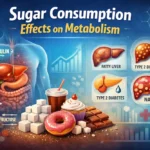

Modern health problems do not always begin with dramatic symptoms. Sometimes they begin with something quieter: the afternoon crash, the constant cravings, the brain fog after lunch, the “healthy” snack that somehow makes you hungrier an hour later.

This is the reality of invisible sugar addiction.
Not addiction in the sensational sense, but in the way modern food trains the brain and body to expect frequent hits of sweetness, quick energy, and reward. Added sugar now hides in sauces, yogurt, breads, cereal, protein bars, plant milks, and even foods marketed as “clean.” Over time, that pattern can affect appetite, mood, insulin response, inflammation, sleep quality, and long-term metabolic health.
In 2026, people are not just asking how to lose weight. They are asking better questions: how to reclaim stable energy, improve mental clarity, reduce inflammation, and support longevity without living on extreme restrictions.
That is where a well-designed sugar-free or low-sugar diet can help.
Why Added Sugar Matters More Than Most People Think
High added sugar intake is associated with a greater risk of poor metabolic health, excess calorie intake, and unstable energy patterns. Major medical organizations such as Harvard Health, the Mayo Clinic, and the American Heart Association have all published educational resources on sugar intake, cardiometabolic health, and healthier dietary patterns.
For readers who want to go deeper into primary research, databases such as PubMed and journals like The Lancet are valuable starting points.
Expert Pro-Tip: Authority in health content comes from combining practical advice with trusted institutional references. That is exactly what both readers and search engines increasingly reward.
What This Article Covers
This article answers these questions:
- What are the top sugar-free diets for better health?
- What happens if you stop eating sugar for 7 days?
- What happens if you stop eating sugar for 30 days?
- What is a practical 1 week no-sugar diet plan?
- What should be on a 14-day no sugar diet food list?
- What does a no sugar diet plan for 30 days look like?
- What are the sugar-free diet benefits?
- What foods belong on a 21-day no sugar challenge food list?
- Which sugar-free diet is best for longevity?
What Happens to Your Body When You Quit Sugar?
This is one of the most searched health questions online, and the answer is more nuanced than social media makes it sound.
When you reduce or eliminate added sugar, several things may happen.
In the first 3 to 7 days
You may notice:
- headaches
- irritability
- stronger cravings
- fatigue or low mood
- increased hunger if meals are poorly balanced
This usually reflects an adjustment period in appetite regulation and eating habits, not a medical need for sweets.
After 1 to 2 weeks
Many people begin noticing:
- fewer cravings
- steadier energy
- less bloating
- better appetite control
- improved sleep quality
- fewer dramatic mood swings
After 30 days
Potential benefits may include:
- better insulin sensitivity
- improved weight control
- reduced intake of ultra-processed foods
- healthier eating awareness
- more stable energy and hunger patterns
For clinical education on blood sugar, nutrition, and diabetes prevention, readers can explore the American Diabetes Association, the World Health Organization, and the National Institutes of Health.
The Top 3 Sugar-Free or Low-Sugar Diet Protocols in 2026
Not all sugar-free diets are equal. Some are too rigid. Some are unsustainable. Some help certain people more than others.
The best approach depends on your goals, medical history, and consistency.
1. Anti-Inflammatory Mediterranean Low-Sugar Diet
For most people, this is the strongest all-around option.
It is not “zero carb,” and it does not ban every naturally sweet food. Instead, it removes or sharply reduces added sugars and centers eating around whole, nutrient-dense foods.
Core foods
- vegetables
- legumes
- olive oil
- fish
- eggs
- plain Greek yogurt
- nuts and seeds
- berries
- whole grains in moderate portions
- herbs and spices
Why it works
This pattern supports:
- better satiety
- lower inflammatory burden
- steadier glucose response
- heart health
- long-term adherence
Mediterranean-style eating is widely discussed in public health and academic nutrition circles, including research summaries available through Harvard T.H. Chan School of Public Health and PubMed.
Best for
- longevity
- general wellness
- sustainable weight control
- people who want flexibility
Expert Pro-Tip: Start by cutting sugary drinks and sweet breakfasts first. That often creates faster real-world results than trying to overhaul your entire diet overnight.
2. Ketogenic Low-Sugar Protocol
Keto remains one of the most effective short-term strategies for sharply reducing sugar intake because it lowers carbohydrate exposure overall.
A ketogenic diet typically focuses on:
- meat, fish, eggs
- avocado
- olive oil
- nuts and seeds
- non-starchy vegetables
- full-fat dairy if tolerated
Why it works
By minimizing carbohydrates, keto may reduce:
- blood sugar spikes
- frequent hunger
- sugar cravings
- dependence on snack foods
Some people also report stronger appetite control and improved concentration.
Best for
- people who do well with clear rules
- those wanting a fast reset from frequent sugar intake
- individuals under medical supervision who need tighter carb control
Limits
It is not ideal for everyone. It can be restrictive, socially difficult, and less sustainable if done carelessly.
Anyone considering keto for medical reasons should review guidance from qualified professionals and evidence-based sources such as the Mayo Clinic and peer-reviewed literature indexed in PubMed.
3. Low-GI Sugar-Control Diet
The Low-Glycemic Index approach is often one of the most practical.
Instead of eliminating all carbohydrates, it prioritizes foods that digest more slowly and produce a steadier blood glucose response.
Core foods
- lentils and beans
- oats
- quinoa
- plain yogurt
- apples and berries
- leafy greens
- nuts
- minimally processed grains
- high-fiber vegetables
Why it works
This approach can help with:
- stable energy
- fewer sugar crashes
- realistic meal planning
- less rigidity than keto
Best for
- beginners
- professionals with busy schedules
- families
- people wanting sustainable blood sugar control
Nutrition education resources from Harvard Health and diabetes-focused organizations like the American Diabetes Association can help readers understand glycemic control in a more evidence-based way.
Which Sugar-Free Diet Is Best for Longevity?
For most people, the Anti-Inflammatory Mediterranean Low-Sugar Diet is the best choice for longevity.
Why? Because longevity is not just about cutting sugar. It is about supporting cardiovascular health, cognitive function, metabolic resilience, and long-term adherence. Mediterranean-style eating has the strongest real-world balance of flexibility, food quality, and scientific credibility.
For broader public-health guidance, readers can consult the World Health Organization and nutrition research portals such as Harvard Nutrition Source.
1 Week No-Sugar Diet Plan
This is a practical 1 week no-sugar diet plan focused on removing added sugars without extreme restriction.
Day 1
Breakfast: eggs with spinach and avocado
Lunch: grilled chicken salad with olive oil
Dinner: salmon, broccoli, quinoa
Snack: almonds
Day 2
Breakfast: plain Greek yogurt, chia seeds, berries
Lunch: turkey lettuce wraps with cucumber
Dinner: beef stir-fry with vegetables
Snack: boiled eggs
Day 3
Breakfast: oats with cinnamon and walnuts
Lunch: lentil soup and side salad
Dinner: grilled shrimp with roasted vegetables
Snack: apple with peanut butter
Day 4
Breakfast: omelet with mushrooms and tomatoes
Lunch: tuna salad bowl
Dinner: chicken thighs with green beans
Snack: pumpkin seeds
Day 5
Breakfast: unsweetened yogurt with flax and blueberries
Lunch: quinoa bowl with chickpeas and olive oil
Dinner: baked cod and asparagus
Snack: cottage cheese
Day 6
Breakfast: smoothie with unsweetened protein, spinach, berries
Lunch: leftover salmon salad
Dinner: turkey meatballs with zucchini noodles
Snack: walnuts
Day 7
Breakfast: scrambled eggs and sautéed greens
Lunch: grilled chicken with hummus and vegetables
Dinner: steak, cauliflower mash, side salad
Snack: cucumber slices and tahini
14-Day No Sugar Diet Food List
A good 14-day no sugar diet food list should reduce decision fatigue.
Proteins
- eggs
- chicken
- turkey
- salmon
- sardines
- tuna
- tofu
- plain Greek yogurt
- cottage cheese
Vegetables
- spinach
- broccoli
- zucchini
- cauliflower
- peppers
- cucumber
- lettuce
- kale
- mushrooms
- asparagus
Fruits
- berries
- apples
- kiwi
- grapefruit
Healthy fats
- olive oil
- avocado
- nuts
- seeds
- olives
Smart carbs
- oats
- quinoa
- lentils
- beans
- sweet potatoes
Flavor boosters
- cinnamon
- lemon
- vinegar
- garlic
- herbs
- unsweetened cocoa
Avoid or limit
- soda
- juice
- sweetened coffee drinks
- pastries
- candy
- sugary cereal
- sweetened yogurt
- sauces with added sugar
- snack bars with syrups
21-Day No Sugar Challenge Food List
A 21-day no sugar challenge food list can be built around the same principles, but with more emphasis on convenience and repeatable meals.
Useful staples include:
- canned beans
- frozen vegetables
- rotisserie chicken without sugary glaze
- unsweetened nut butter
- plain oatmeal
- herbal tea
- sparkling water
- hard cheeses
- hummus
- low-sugar homemade dressings
No Sugar Diet Plan for 30 Days
A no sugar diet plan for 30 days works best in stages.
Week 1: Remove obvious sugar
Cut:
- soda
- candy
- desserts
- sugary coffee drinks
- sweetened yogurt
Week 2: Fix breakfast and snacks
Shift to:
- protein-rich breakfasts
- fruit paired with protein or fat
- fewer packaged snack foods
Week 3: Audit hidden sugar
Check labels on:
- sauces
- salad dressings
- bread
- granola
- plant milk
- protein bars
Week 4: Build your long-term model
Choose one approach:
- Mediterranean low-sugar
- Low-GI
- Keto if appropriate and supervised
For research-driven readers, it is smart to compare practical diet advice with institutional resources from the Mayo Clinic, NIH, and PubMed.
What Happens When You Stop Eating Sugar for 7 Days?
In the first week, many people notice:
- cravings rising before they fade
- reduced water retention
- fluctuating energy
- improved awareness of hunger cues
- less impulsive snacking
The first seven days are often less about dramatic physical transformation and more about breaking automatic patterns.
What Happens If You Stop Eating Sugar for 30 Days?
By day 30, many people experience:
- sweet foods tasting much sweeter
- more stable appetite
- less bloating
- better concentration
- fewer energy crashes
- improved control over emotional eating
This is where a short-term challenge can become a long-term lifestyle upgrade.
Sugar-Free Diet Benefits
The strongest sugar-free diet benefits often include:
- steadier energy
- fewer cravings
- improved appetite control
- better metabolic awareness
- reduced ultra-processed food intake
- clearer meal structure
- improved long-term diet quality
Best No Sugar Diet Food List to Keep on Hand
- eggs
- fish
- chicken
- turkey
- plain yogurt
- cottage cheese
- tofu
- beans
- lentils
- leafy greens
- broccoli
- cauliflower
- berries
- apples
- avocado
- olive oil
- nuts
- seeds
- oats
- quinoa
- sweet potatoes
- herbs and spices
People Also Ask
What happens to your body when you quit sugar?
Your body often goes through an adjustment phase with cravings and fatigue, followed by steadier energy, better appetite control, and reduced reliance on ultra-processed foods.
Which sugar-free diet is best for longevity?
For most people, an anti-inflammatory Mediterranean low-sugar diet offers the best mix of scientific support, sustainability, and long-term cardiometabolic benefits.
5 Long-Tail Keywords for 2026 Trends
- best sugar-free diet for energy in 2026
- 30-day no sugar diet plan for beginners
- top low-sugar diets for longevity and mental clarity
- 14-day no sugar diet food list for weight loss
- what happens when you quit sugar for 30 days in 2026
Final Take
The best sugar-free diet is not the most extreme one. It is the one that helps you regain control over appetite, reduce hidden sugar exposure, and build a more stable relationship with food.
For most people, that means a whole-food, low-sugar pattern built around protein, fiber, healthy fats, and fewer processed products. For others, a stricter protocol like keto may offer a short-term reset. For many beginners, Low-GI is the easiest and most sustainable place to start.
The goal is not to fear every sweet taste. The goal is to stop letting invisible sugar shape your energy, focus, mood, and long-term health.
Disclaimer: This content is for informational purposes only. Before making significant dietary changes, always consult with your doctor or a qualified healthcare professional.