

If keto has ever felt confusing, it is usually not because the diet is complicated. It is because most people focus on food lists first and macronutrients second.
That is backwards.
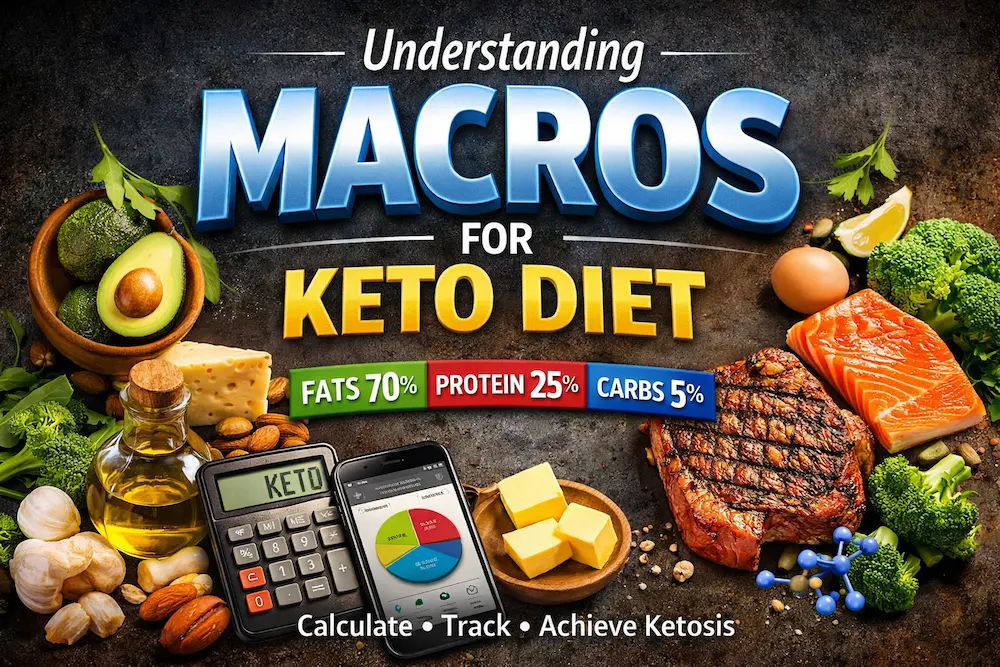
The real secret sauce of a ketogenic diet is not just cutting bread, skipping sugar, or eating more bacon. It is getting your macros right. When your fat, protein, and carb intake are structured properly, your body is more likely to enter ketosis, manage hunger better, and make the diet actually work in real life.
That is why people who “eat keto foods” do not always get keto results.
This guide will show you exactly how keto macros work, how to calculate them, what the common mistakes are, and how to set up a practical plan whether you are looking for macros for keto diet female, macros for keto diet male, a keto macros calculator, or a smarter keto macro ratio for weight loss.
What This Guide Covers
In this article, you will learn:
- What keto macros actually are
- Why macros matter more than random keto recipes
- The standard keto breakdown of fat, protein, and carbs
- How low carbs lead to ketosis
- How to calculate macros for keto diet in grams
- How to adjust keto for men, women, fat loss, and high-protein preferences
- How to use a macro calculator
- What mistakes beginners make with net carbs vs total carbs
- How to track your intake using apps like Cronometer or Carb Manager
- FAQ answers with featured-snippet potential
What Are Macros on Keto?
“Macros” is short for macronutrients.
These are the three nutrients that provide calories:
- Fat
- Protein
- Carbohydrates
On a standard diet, carbs often make up a large share of calories. On a ketogenic diet, that pattern changes dramatically.
A keto diet typically shifts calories toward:
- High fat
- Moderate protein
- Very low carbs
That shift is what helps move the body toward ketosis, a metabolic state where your body relies more heavily on fat and ketone production for fuel.
The Standard Keto Macro Breakdown
A common starting keto macro setup looks like this:
- Fat: 70%
- Protein: 25%
- Carbs: 5%
This is not the only possible keto ratio, but it is one of the most widely used beginner frameworks.
Why this ratio works
It does three things:
- Keeps carbs low enough to help promote ketosis
- Provides enough fat to support energy and adherence
- Includes enough protein to protect muscle without turning the diet into a high-protein low-carb plan
Let’s break down each macro properly.
Fats: The Foundation of Keto
Fat is the main energy source on keto.
When carbs drop low enough, the body no longer relies as heavily on glucose. That means dietary fat and stored body fat become much more important for daily fuel.
Why fat matters on keto
Fat helps with:
- Energy
- Satiety
- Meal satisfaction
- Hormone support
- Making a low-carb diet sustainable
Healthy fats to focus on
A keto diet should not just be “high fat.” It should include healthy fats as often as possible.
Good options include:
- Olive oil
- Avocado
- Eggs
- Salmon
- Sardines
- Nuts
- Seeds
- Olives
- Full-fat Greek yogurt, if tolerated
- Avocado oil
Common mistake
A lot of beginners think keto means eating unlimited butter and cheese while ignoring food quality.
That is not a strong plan.
Keto works better when the fat sources are mostly nutrient-dense and not just ultra-processed convenience foods.
Protein: Important, but Not Unlimited
Protein is essential on keto, but this is where people get confused.
Some fear protein. Others turn keto into a steak-only diet.
Neither extreme is ideal.
Why protein matters
Protein supports:
- Muscle retention
- Recovery
- Immune function
- Satiety
- Overall health during a calorie deficit
Protein intake on keto
Keto is usually moderate protein, not very high protein by default.
For many people, a practical protein range is around:
- 1.2 to 2.0 grams per kilogram of body weight
The exact amount depends on:
- activity level
- age
- muscle mass
- fat-loss goal
- training
Can too much protein ruin keto?
This is one of the biggest myths in the keto world.
Protein is not the enemy.
For most people, eating adequate protein does not suddenly “kick you out of ketosis” in the dramatic way internet forums claim. The body uses what it needs. Keto beginners are usually much more likely to overeat hidden carbs than to ruin progress by eating a sensible amount of protein.
That said, a high protein keto diet can become less ketogenic if carbs are low but protein becomes extremely high and fat becomes too low. At that point, the diet may behave more like a low-carb high-protein plan than a classic ketogenic diet.
Carbs: The Macro That Makes Keto Keto
Carbs are the defining variable of keto.
If carbs are too high, you are probably not doing keto, even if the foods look “clean.”
Standard keto carb target
Many people stay under:
- 20–50 grams of net carbs per day
A more conservative beginner target is often:
- 20–30 grams of net carbs per day
This is where the phrase net carbs vs total carbs becomes important.
Net Carbs vs Total Carbs
This is one of the most important keto concepts to understand.
Total carbs
This is the full carbohydrate amount listed on a nutrition label.
Net carbs
This is usually calculated as:
Total carbs – fiber = net carbs
Some people also subtract certain sugar alcohols depending on the product and their personal tolerance, but that part gets more complicated and should be handled carefully.
Why net carbs matter
Fiber has less impact on blood sugar than digestible carbs, so keto plans often focus on net carbs.
Example
If a food contains:
- 12g total carbs
- 8g fiber
Then it has:
- 4g net carbs
This is why foods like avocado, chia seeds, and leafy greens can fit so well into keto.
Why Low Carbs Lead to Ketosis
This is the science part, but we will keep it simple.
Normally, your body uses glucose from carbohydrates as a primary fuel source.
When carb intake drops low enough:
- insulin levels generally decrease
- glycogen stores start to fall
- the liver increases ketone production
- the body shifts toward using fat more heavily for fuel
This metabolic state is called ketosis.
What ketosis means
Ketosis does not mean magic fat loss.
It means your body is using a different fuel strategy.
Fat loss still depends on:
- calorie balance
- consistency
- food quality
- protein adequacy
- adherence
Keto can help because many people naturally eat less when carbs are lower and satiety is higher. But ketosis itself is not a free pass around energy balance.
Keto Macro Ratio for Weight Loss
A lot of people start keto for fat loss, so this matters.
If your goal is to lose fat, your macro ratio still needs to support a calorie deficit. Keto is a tool, not a loophole.
A practical keto macro ratio for weight loss
A common setup is:
- 70% fat
- 25% protein
- 5% carbs
But this ratio only works for weight loss if total calories are appropriate.
Important truth
You can eat “perfect keto ratios” and still not lose weight if calories stay too high.
Better way to think about it
For fat loss on keto, aim for:
- carbs low enough for ketosis
- protein high enough to protect muscle
- fat adjusted to fit your calorie target
That last point is critical.
Many people think keto means eating as much fat as possible. In reality, if fat loss is the goal, dietary fat still needs to be controlled enough that your body also uses stored body fat.
How to Calculate Your Keto Macros Step by Step
This is the section most beginners need.
Step 1: Estimate your calorie target
Start with your maintenance calories, then adjust based on your goal.
- Fat loss: use a calorie deficit
- Maintenance: eat near maintenance
- Muscle preservation or body recomposition: use a smaller deficit or maintenance approach
General fat-loss guide
A moderate starting deficit is often:
- 10–20% below maintenance
Step 2: Set carbs first
Keto starts with carbs.
A strong beginner target is often:
- 20–30g net carbs per day
This helps make the diet clearly ketogenic.
Step 3: Set protein
Now set protein based on body weight and activity.
A practical range:
- 1.2–2.0 g/kg body weight
Examples:
- sedentary beginner: lower end
- active person or lifter: higher end
- older adult: often benefits from adequate protein, not low protein
Step 4: Fill the rest with fat
After calories, carbs, and protein are set, the rest of your calories come from fat.
This is the easiest way to personalize keto instead of blindly copying a percentage chart.
Keto Macros Calculator Example
Let’s say someone wants a rough example.
Example person
- 1,800 calorie target
- 25g net carbs
- 120g protein
Now calculate:
Carbs
25g carbs × 4 calories = 100 calories
Protein
120g protein × 4 calories = 480 calories
Calories used so far
100 + 480 = 580 calories
Remaining calories for fat
1,800 – 580 = 1,220 calories
Fat in grams
1,220 ÷ 9 = 136g fat
Final daily keto macros
- 25g net carbs
- 120g protein
- 136g fat
That is a practical example of macros for keto diet in grams.
1200 Calorie Ketogenic Diet Macros
A 1200 calorie ketogenic diet is very low for many adults, so it should be approached carefully. It may be too aggressive or unsustainable for a lot of people.
Still, if someone needs a simple example:
Example 1200-calorie keto macros
- 20g net carbs
- 75g protein
- 89g fat
Why?
- 20g carbs = 80 calories
- 75g protein = 300 calories
- Remaining calories = 820
- 820 ÷ 9 = about 91g fat
You could round slightly based on preference.
Important caution
A 1200-calorie plan is not appropriate for everyone. It is often too low for active adults, men, taller individuals, or people trying to preserve muscle. If you go that low, protein adequacy and electrolyte balance become even more important.
Macros for Keto Diet Female
Women often search this specifically because they want to know if keto macros should differ.
The answer is: the method is the same, but the numbers differ based on body size, activity, and goal.
Common female keto considerations
- lower calorie needs on average than men
- higher risk of under-eating when dieting too aggressively
- protein still matters
- fat should not be slashed too hard
- electrolyte management matters, especially early on
A good female keto setup often comes from:
- setting calories appropriately
- keeping carbs low enough for ketosis
- setting protein for body weight and muscle retention
- using fat to complete the plan
Macros for Keto Diet Male
Men often ask the same question from the opposite angle.
Again, the formula is the same, but calorie needs are often higher due to:
- body size
- lean mass
- training volume
- maintenance calories
Common male keto considerations
- more total calories
- more total grams of protein
- more fat if calories are higher
- careful not to confuse keto with unlimited high-fat overeating
Men trying to cut on keto usually do better when they:
- keep protein high enough
- avoid “fat bombs” as an excuse to overshoot calories
- track consistently
High Protein Keto Diet: Is It Still Keto?
This depends on how high protein goes and how low carbs stay.
A high protein keto diet can still be keto if:
- carbs stay low enough for ketosis
- total calories are appropriate
- fat remains adequate
But once protein becomes very high and fat drops too low, the diet may behave more like:
- low-carb high-protein
instead of: - traditional ketogenic
That is not automatically bad. It is just different.
For many people focused on fat loss and muscle retention, a slightly higher-protein keto setup can actually work very well.
Common Keto Macro Mistakes
1. Hidden carbs
This is one of the biggest reasons keto fails.
Watch out for:
- sauces
- dressings
- flavored yogurts
- nuts in large amounts
- “healthy” snack bars
- keto desserts
- milk
- restaurant meals with hidden sugars
2. Fearing protein too much
You do not need to eat tiny amounts of protein to “protect ketosis.”
Most people need more protein than keto influencers suggest.
3. Ignoring electrolyte balance
When carbs drop, water and mineral shifts often happen quickly.
That means electrolyte balance matters.
Pay attention to:
- sodium
- potassium
- magnesium
This is especially important during the first week or two, when people often feel tired, headachy, or flat.
4. Eating too much fat for weight loss
Keto is high fat, but that does not mean unlimited fat.
If fat loss is the goal, fat intake still has to fit your calorie target.
5. Not tracking accurately
Guessing does not work well on keto, especially at the beginning.
How to Track Keto Macros
Tracking makes keto much easier.
Two of the most commonly used apps are:
- Cronometer
- Carb Manager
Cronometer
Best for:
- detailed nutrition data
- micronutrients
- serious tracking accuracy
Carb Manager
Best for:
- keto-focused design
- easier carb tracking
- net carb emphasis
Tracking tips
- weigh foods when possible
- track oils and dressings
- check labels carefully
- save repeat meals
- focus on net carbs vs total carbs
- review your week, not just one day
Low-Carb Diet Macros Calculator vs Keto Calculator
A low-carb diet macros calculator and a keto macros calculator are not exactly the same.
Low-carb diet
Often allows:
- more carbs
- more flexibility
- not always enough carb restriction for ketosis
Keto diet
Requires:
- lower carbs
- stricter net carb targets
- macro structure aimed at supporting ketosis
So if your goal is ketosis, use keto-style numbers, not generic low-carb ones.
FAQ
What are the ideal macros for keto?
A common starting point is 70% fat, 25% protein, and 5% carbs, but the best setup depends on calories, body weight, and goal.
What is the keto macro ratio for weight loss?
A practical ratio is often 70/25/5, but weight loss still requires a calorie deficit.
How do I calculate macros for keto diet in grams?
Set calories first, then:
- keep carbs low, often 20–30g net carbs
- set protein by body weight
- use fat to fill the remaining calories
Can I eat too much protein on keto?
For most people, protein is not the main problem. Hidden carbs and excess calories are much more common issues. Extremely high protein may shift the diet away from classic keto, but adequate protein is important.
What is the difference between net carbs and total carbs?
Net carbs = total carbs – fiber. Keto plans usually focus on net carbs.
What are macros for keto diet female?
The formula is the same as for anyone else, but total calories and grams often differ based on body size, activity, and goals.
What are macros for keto diet male?
Again, the formula is the same, but calorie and gram targets are often higher because of larger body size and higher energy needs.
Is a high protein keto diet effective?
It can be, especially for fat loss and muscle retention, as long as carbs stay low enough and total calories are controlled.
What is a 1200 calorie ketogenic diet macro setup?
A basic example could be around 20g net carbs, 75g protein, and about 89–91g fat, but 1200 calories is too low for many adults.
Which app is best for keto macro tracking?
Cronometer is excellent for precision, and Carb Manager is especially user-friendly for keto beginners.
Final Takeaway
If keto has ever felt confusing, remember this:
Macros are the engine of the diet.
The food list matters. The recipes matter. But the real success of keto comes from controlling the three numbers that drive the whole system:
- carbs low enough for ketosis
- protein high enough for muscle and satiety
- fat adjusted to fit energy needs
That is how you make keto work without guessing.
If you want the simplest path forward, start here:
- Set your calorie target
- Keep net carbs around 20–30g
- Set protein based on your body weight
- Fill the rest with healthy fats
- Track for 2 weeks and adjust
That is the beginner-friendly formula most people actually need.


