
The dirty secret of the supplement industry is simple: the front label often sells a fantasy, while the back label tells a very different story.
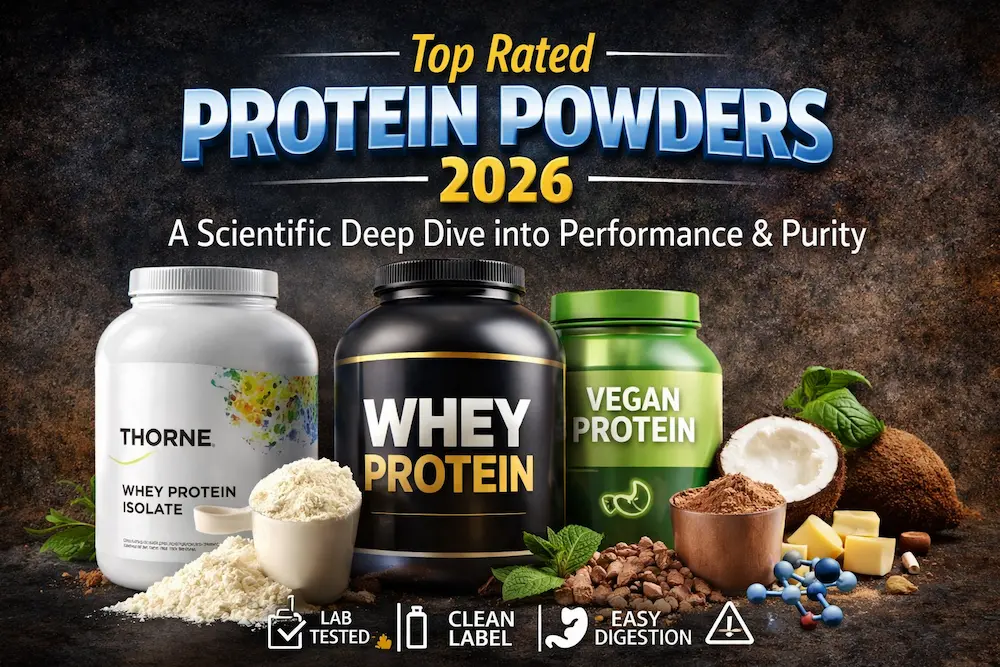
A protein powder can promise “lean muscle,” “rapid recovery,” and “premium quality,” yet still leave you bloated, underfed, or paying top dollar for a formula padded with cheap fillers. Worse, some products lean on misleading blends, low-grade raw materials, or label games that make average protein look elite. That is exactly why shoppers keep asking the same questions: Which protein is actually clean? Which one helps with muscle gain? Which one supports weight loss without digestive chaos? And which powders are worth trusting in 2026?
This guide answers those questions with an evidence-informed lens. It covers whey isolate protein powder, vegan blends, digestion support, purity, red flags like amino spiking, and how to choose the best formula for your goal. It also addresses the search topics people care about most, including best protein powder for women, best protein shakes for weight loss, best protein for weight loss, best protein shake for muscle gain, and brand-specific interest around products like Thorne Whey Protein Isolate.
A quick honesty note before we begin: I cannot verify live 2026 rankings, batch tests, or current pricing here, so I will not invent fake studies or make unverified claims. Instead, this article is built on well-established sports nutrition principles and realistic market trends that have been shaping protein quality, gut-health-focused formulas, and clean-label demand going into 2026.
Why Protein Powder Quality Matters More in 2026
The protein market is no longer just about grams per scoop.
Today, the real differentiators are:
- Protein source quality
- Digestive tolerance
- Third-party testing
- Ingredient transparency
- Heavy metal awareness
- Gut microbiome friendliness
- Clean-label formulation
Consumers have become more skeptical, and for good reason. People are not just trying to “hit protein.” They are trying to avoid:
- bloating
- artificial sweetener overload
- deceptive labels
- gritty textures
- poor amino acid quality
- mystery blends
- contamination concerns
In 2025 and into 2026, one of the clearest trends has been a stronger focus on bioavailability, digestive comfort, and formulas that reduce friction for everyday users. That means better enzymes, better sourcing, fewer useless extras, and cleaner protein-first products.
Section 1: The Science Behind Protein Powder Quality
What makes a protein powder “good”?
A high-quality protein powder is not just one with a high number on the label. It should ideally deliver:
- strong amino acid quality
- high digestibility
- useful leucine content
- low contamination risk
- clear labeling
- good tolerance in the gut
To understand that better, it helps to start with Biological Value.
Biological Value (BV): Why It Still Matters
Biological Value (BV) is one way of describing how efficiently the body can use absorbed protein for growth and repair. It is not the only protein-quality metric, but it helps explain why not all proteins perform the same way.
In simple terms:
Higher-quality proteins usually provide:
- a stronger essential amino acid profile
- better support for muscle protein synthesis
- more efficient use by the body
Why whey scores well
Whey is often prized because it is:
- rich in essential amino acids
- naturally high in leucine
- fast-digesting
- practical for post-workout use
This is one reason whey isolate protein powder remains such a popular choice for athletes and active adults.
Whey Isolate vs Vegan Blends: What Matters in 2026
This is one of the biggest buying decisions people face.
Whey Isolate
Whey isolate is usually:
- lower in lactose than whey concentrate
- higher in protein percentage
- faster digesting
- cleaner in macro profile
It is often the best choice for:
- post-workout recovery
- lean muscle gain
- lower-carb, lower-fat protein supplementation
- people who tolerate dairy reasonably well
Vegan Blends
Vegan powders have improved dramatically.
The best modern blends often combine:
- pea protein
- rice protein
- pumpkin seed protein
- hemp protein
- fava bean protein
A single plant protein can sometimes fall short in one or more essential amino acids, but a blended formula can improve the overall amino acid profile.
Where vegan blends shine in 2026
The best vegan products now compete better on:
- texture
- flavor
- digestive tolerance
- amino acid completeness
- cleaner ingredient decks
For many users, especially those with dairy sensitivity, a high-quality vegan blend can now be a very serious alternative.
What still gives whey an edge
In many cases, whey isolate still has an advantage in:
- leucine density
- simplicity
- fast absorption
- overall protein efficiency per scoop
The Digestion Shift: Why Gut Tolerance Became a Bigger Deal
One of the strongest product trends moving into 2026 is this: people want protein powders that do not wreck their stomach.
That has pushed brands to pay more attention to:
- lactose reduction
- enzyme support
- gums and thickeners
- sweetener choice
- fermentation or digestive friendliness
- microbiome-aware formulation
Consumers are increasingly looking for powders that support performance without causing bloating, gas, heaviness, or that artificially “full” feeling that makes daily use unpleasant.
Section 2: The Winners — Top 5 Protein Powder Categories
Instead of pretending there is one perfect powder for everyone, it is smarter to rank by use case.
Top 5 Protein Powder Categories for 2026
| Category | Best Fit | Why It Wins |
|---|---|---|
| Best for Muscle | Whey Isolate | Fast digestion, strong leucine, efficient recovery support |
| Best for Gut Health | Enzyme-supported whey isolate or clean vegan blend | Better tolerance, lower digestive friction |
| Best Value | Simple whey concentrate or clean isolate blend | Strong protein per dollar without excessive extras |
| Best Clean Label | Minimal-ingredient whey isolate or unsweetened plant blend | Transparency, simplicity, lower filler load |
| Best Vegan | Pea-rice or multi-source plant protein blend | Better amino acid balance, dairy-free flexibility |
Now let’s break those down.
Best for Muscle Gain
If your goal is hypertrophy, recovery, and training adaptation, whey isolate is still the most effective all-around category for most people.
Why it wins
- high protein per serving
- fast digestion
- strong leucine content
- excellent post-workout fit
Best protein shake for muscle gain
The best protein shake for muscle gain is usually one that provides:
- 25–35g protein
- strong leucine exposure
- minimal unnecessary fillers
- good digestibility
- a formula you can use consistently
For many users, that means whey isolate mixed with milk or blended with fruit and oats if extra calories are needed.
Best for Gut Health
This category matters more than people think.
The best gut-friendly protein powders are usually:
- whey isolate with low lactose
- protein powders with protease and lactase
- vegan blends without heavy gums or sugar alcohols
- formulas with shorter ingredient lists
Why digestion is a performance issue
If a powder leaves you bloated, gassy, or unwilling to use it again, it is not a good supplement for you, no matter how great the label looks.
What to look for
- low lactose
- enzyme support
- no giant proprietary digestive blend
- realistic sweetener use
- no overloaded thickeners
Best Value
Value is not about the cheapest tub. It is about the best cost per gram of useful protein.
A good value protein powder usually offers:
- solid protein content per serving
- simple ingredient structure
- reliable taste and mixability
- no inflated “performance matrix” nonsense
Best protein for weight loss
For weight loss, the best protein is often one that is:
- high in protein
- lower in carbs and fats
- easy to digest
- satisfying enough to help with hunger
- practical enough to use daily
That is why whey isolate is often a strong choice for fat loss phases.
Best Clean Label
Clean-label matters because shoppers are getting smarter.
The best clean-label powders usually avoid:
- long additive lists
- vague blends
- unnecessary synthetic extras
- filler-heavy formulations
A strong clean-label protein typically has:
- one main protein source
- minimal flavoring ingredients
- clear sweetener disclosure
- transparent serving data
- no flashy nonsense
This is where interest in products like Thorne Whey Protein Isolate tends to come from. People looking for that type of product are usually searching for a cleaner, more trust-oriented option rather than the loudest “mass-gain” formula on the shelf.
Because I cannot verify current live formulation or product ranking here, I will not claim it as “the best” outright. But the reason people search for it is clear: the market increasingly values trust, simplicity, and low-friction quality.
Best Vegan
The best vegan protein powders in 2026 are no longer the chalky punishment they used to be.
A strong vegan powder usually:
- blends multiple plant proteins
- improves amino acid coverage
- uses better flavor systems
- limits digestive irritants
Best fit for:
- dairy-free users
- plant-based eaters
- people with whey intolerance
- users prioritizing environmental or ethical choices
What to avoid
- single-source low-quality blends with weak amino acid density
- overloaded gums
- too much stevia plus erythritol plus “natural flavors” chaos
Section 3: The Red Flags — How to Spot Protein Scams
This is the part most people never learn.
What is amino spiking?
Amino spiking happens when a manufacturer adds cheaper free-form amino acids or nitrogen-containing compounds to inflate the apparent protein content on a test, making the product seem richer in real whole protein than it actually is.
Why it matters
You think you are buying 25g of high-quality protein. You may be getting less actual complete protein than the label implies.
Red flags for amino spiking
- unusually cheap price for “premium isolate”
- vague proprietary blend language
- lots of amino acid add-ons on label
- unclear protein source hierarchy
- suspiciously high protein-to-serving ratio without explanation
Fake Label Warning Signs
A protein powder may not be counterfeit, but it can still be misleading.
Watch for:
- Proprietary blends
- “Nitrogen matrix” style marketing
- No third-party testing
- Unrealistic muscle claims
- Long ingredient lists for a basic powder
- Multiple sweeteners stacked together
- No lot transparency or quality discussion
Scientific Checklist: How to Choose a Legit Protein Powder
Use this before you buy.
- Does it list a clear protein source?
- Is the protein amount realistic for the serving size?
- Is there third-party testing or quality verification?
- Does it avoid vague proprietary blends?
- Is the ingredient list short and understandable?
- Does it provide enough protein per serving to matter?
- Does it fit your digestion and goal?
- Does the price make sense per gram of protein, not just per tub?
That is how you avoid buying hype.
Section 4: Digestion — Why Premium Powders Use Protease and Lactase
This is one of the most underappreciated differences between average powders and premium formulas.
Protease
Protease is an enzyme that helps break down protein into smaller peptides and amino acids.
Why it matters:
- may improve digestion
- may reduce heaviness
- useful for people who struggle with dense protein shakes
Lactase
Lactase helps digest lactose, the milk sugar that can cause digestive discomfort in sensitive users.
Why it matters:
- useful in dairy-based powders
- may help reduce bloating or gas
- especially helpful if whey concentrate causes problems
Do enzymes make a bad protein powder good?
No.
A poor formula does not become premium just because it throws in enzymes.
But when the core formula is already strong, the right enzymes can improve user experience significantly.
Best Protein Powder for Women
The best protein powder for women is not a pink-labeled “lean tone formula.”
It is a high-quality protein powder that fits the woman’s:
- calorie needs
- digestion
- training goal
- taste preference
- lifestyle
Good options for many women:
- whey isolate for lean protein support
- clean vegan blend for dairy-free needs
- lower-additive formulas for sensitive digestion
The best formula is goal-specific, not gender-marketed.
Best Protein Shakes for Weight Loss
The best protein shakes for weight loss usually:
- deliver 20–30g protein
- keep calories controlled
- avoid excessive sugar
- help reduce hunger
- fit easily into a calorie deficit
Good weight-loss shake structure
- whey isolate or clean vegan blend
- water or unsweetened milk alternative
- optional berries or ice
- optional fiber source like chia if tolerated
A shake is not a magic fat-loss tool. But it can be a practical appetite and protein-support tool.
Expert Verdict
If your goal is pure performance and recovery, whey isolate protein powder is still the strongest category for most users.
If your goal is digestion and long-term compliance, look for:
- cleaner formulas
- lower lactose
- enzyme support
- fewer filler ingredients
If your goal is plant-based performance, the best modern vegan blends are now good enough to be taken seriously, especially when they use multiple protein sources and keep the formula simple.
The supplement industry still has noise, hype, and label tricks. But the way through it is simple: