
Most people are still stuck in an outdated idea: that vegans struggle to get enough protein, build muscle, or stay energized on a plant-based diet.
That myth is not just old. It is actively unhelpful.
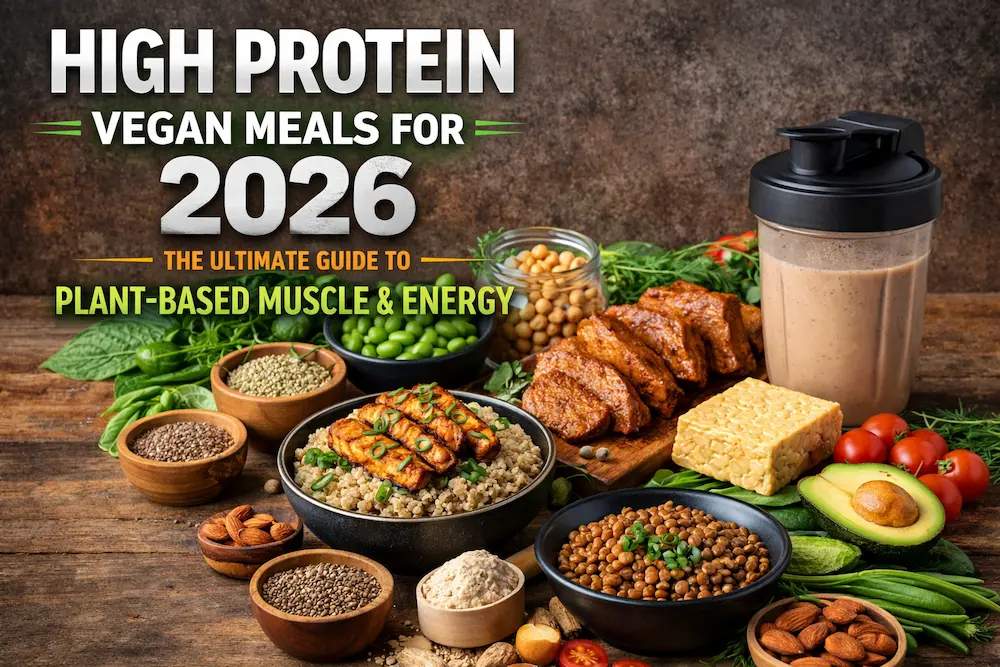
In 2026, plant-based protein is no longer a niche topic for wellness influencers and smoothie bowls. It has become a serious part of mainstream performance nutrition, everyday meal prep, and practical clean eating 2026 habits. More athletes, lifters, runners, and busy professionals are turning to vegan meals not because they want to “eat less,” but because they want to feel better, recover faster, and build meals around foods that support long-term health.
And yet, one big problem remains.
A lot of people who try vegan eating still end up under-eating protein, relying too much on ultra-processed snacks, or making bland meals that leave them hungry an hour later. That is exactly why this guide exists.
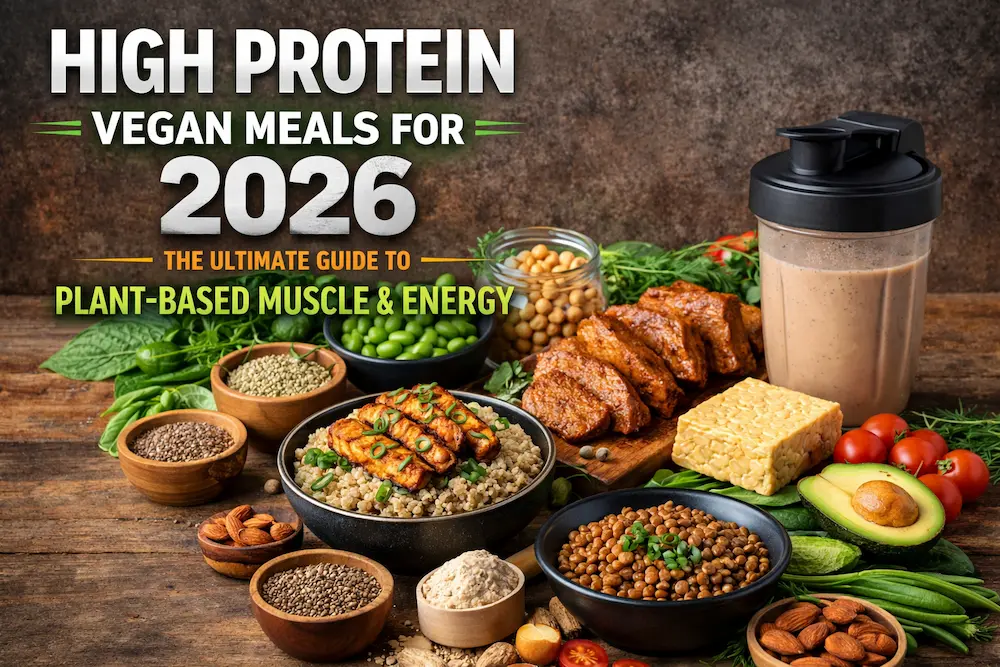
This is your practical, science-informed, shareable guide to high protein vegan meals for 2026 healthy, satisfying, realistic, and actually good enough to repeat every week.
You will learn:
- How plant protein works for strength, energy, and fullness
- The best high-protein vegan foods to keep in rotation
- Easy breakfast, lunch, dinner, and snack ideas
- High protein vegan meals for muscle building
- High protein vegan meals for weight loss
- High protein vegan meals for 2026 low carb
- High protein vegan meals no tofu
- A simple example of how to hit 100g of protein a day as a vegan
If this sounds familiar, keep reading: you want the benefits of vegan eating, but you do not want to feel weak, tired, bloated, or constantly hungry. Good news: you do not need chicken, eggs, or whey to eat like someone who cares about performance.
What This Article Covers
This guide is built to answer the real search intent behind these topics:
- High protein vegan meals for 2026 healthy
- High protein vegan meals for muscle building
- Best high protein vegan meals for 2026
- Easy high protein vegan meals for 2026
- High protein vegan meals for 2026 low carb
- High protein vegan meals for weight loss
- High protein vegan recipes
- High protein vegan meals no tofu
It is also designed around what many readers actually struggle with:
- “I want more protein, but I do not want to eat fake meat all day.”
- “I need fast meals that fit work and training.”
- “I want to lose fat without losing energy.”
- “I do not like tofu.”
- “I want vegan meal prep that is affordable and repeatable.”
Here is the part nobody tells you: the problem usually is not that vegan food lacks protein. The problem is that people build meals around carbs first, then try to “add protein later.” The better approach is the opposite.
Start with the protein anchor. Then build the meal around it.
A Quick Content Gap Snapshot: What Most Articles Miss
A lot of articles about vegan protein do one of two things:
- They give you a giant list of foods without showing how to turn them into real meals.
- They focus so much on “healthy eating” that they ignore muscle, recovery, satiety, and time.
What many generic articles miss:
- Clear protein totals per serving
- Options for vegan muscle building
- Low-carb, weight-loss, and no-tofu alternatives
- Meal ideas that take 15 minutes or less
- Budget-friendly systems, not just recipes
- A realistic daily protein plan
This guide fixes that by focusing on usable meals, protein density, and real-life decisions.
The Science of Plant Protein in 2026
Let’s keep this simple.
Protein is made of amino acids. Your body uses them to repair tissue, support muscle recovery, maintain metabolism, and keep you fuller for longer. Some amino acids are considered essential because your body cannot make them on its own.
Animal protein is often called “complete” because it usually contains all essential amino acids in strong proportions. But that does not mean plant protein is ineffective.
What matters most in the real world is:
- Your total daily protein intake
- Getting enough of a variety of amino acids over the day
- Eating enough calories to support your goal
- Including protein-rich foods consistently
Do you need to combine proteins at every meal?
Not obsessively.
The old idea that you must combine beans and rice in the exact same bite is overstated. What matters more is eating a variety of protein sources across the day. Still, some pairings are especially useful because they help improve amino acid balance and meal satisfaction.
Examples:
- Lentils + brown rice
- Chickpeas + whole grain pita
- Black beans + quinoa
- Peanut butter + oats
- Seitan + legumes
- Tempeh + soba noodles
For people focused on vegan muscle building, it is also smart to emphasize protein sources with higher protein density, such as seitan, tempeh, edamame, soy yogurt, high-protein pasta, hemp seeds, and plant protein powders when needed.
When I first started looking at vegan protein more seriously, I made the same mistake many beginners make: I thought eating “healthy” automatically meant eating enough protein. It didn’t. I was eating oats, fruit, salads, and grain bowls, but not structuring meals around a protein target. What finally worked for me was building every main meal around one dominant protein source first.
That one shift changes everything.
Top 10 High-Protein Vegan Superfoods for 2026
Below are some of the most useful high-protein vegan staples, with approximate protein per serving. Values vary by brand and preparation, but these are practical averages.
1. Seitan
Approx. 21–25g protein per 100g
One of the most protein-dense high protein meat alternatives available. Great for stir-fries, wraps, skewers, and high-protein bowls.
2. Tempeh
Approx. 18–20g protein per 100g
Fermented soy with a firmer texture and a more savory, nutty flavor than tofu. Excellent for bowls, sandwiches, and meal prep.
3. Edamame
Approx. 17g protein per cup cooked
Easy, filling, and perfect for lunch boxes, salads, or blended into dips.
4. Extra-Firm Tofu
Approx. 12–16g protein per 100g
Still one of the most versatile options for scrambles, stir-fries, baked cubes, and curries.
5. Lentils
Approx. 17–18g protein per cup cooked
Budget-friendly, fiber-rich, and ideal for soups, stews, salads, and pasta sauces.
6. Chickpeas
Approx. 14–15g protein per cup cooked
A staple for bowls, curries, crunch-roasted snacks, and hummus.
7. Nutritional Yeast
Approx. 5–8g protein per 2 tablespoons
Useful for cheesy flavor, pasta dishes, savory oats, and popcorn. A small ingredient that adds surprising value.
8. Hemp Seeds
Approx. 9–10g protein per 3 tablespoons
Great for smoothies, oats, yogurt bowls, and salad toppers.
9. Black Beans
Approx. 15g protein per cup cooked
Excellent for burrito bowls, tacos, soups, and burgers.
10. Plant Protein Powder
Approx. 20–30g protein per scoop
Not essential, but extremely practical for busy people who struggle to hit protein targets through food alone.
2026 Food Trends: What Is New in High-Protein Plant-Based Eating?
The future of vegan eating is not just tofu and chickpeas.
Several newer ingredients are becoming more visible in the plant-based space:
Mycoprotein
A fungus-derived protein ingredient known for its meat-like texture and strong protein profile. It can work especially well in cutlets, mince-style meals, and quick skillet recipes.
Fava Bean Protein
Protein made from broad beans or fava beans is increasingly used in powders, yogurts, pasta, and meat alternatives. Many people like it because it offers variety beyond soy.
Lupini Beans
These beans are naturally high in protein and fiber, and they are showing up more often in packaged snacks and Mediterranean-inspired dishes.
Pea Protein Products
Pea protein remains one of the most common bases for powders, milks, and performance-focused products.
The smart move in clean eating 2026 is not chasing every trendy product. It is using new ingredients strategically while keeping your core diet based on simple whole-food staples.
[Suggested visual: a “High-Protein Vegan Plate” graphic showing a protein anchor, smart carbs, healthy fats, and vegetables.]
Breakfast Power-Up: 3 High-Protein Vegan Breakfast Ideas
Breakfast is where many people miss the mark. Toast and fruit may be fine, but they usually do not provide enough protein to support fullness or muscle recovery.
1. Tofu Scramble with Whole Grain Toast
Protein: approx. 28–35g
Use:
- Extra-firm tofu
- Nutritional yeast
- Turmeric
- Black salt
- Spinach
- Mushrooms
- Whole grain toast
Why it works:
- High in plant-based protein
- Savory and filling
- Excellent for vegan meal prep
2. Protein Oats with Soy Milk, Hemp Seeds, and Peanut Butter
Protein: approx. 25–35g
Use:
- Rolled oats
- Unsweetened soy milk
- Plant protein powder
- Hemp seeds
- Peanut butter
- Chia seeds
- Berries
Why it works:
- Fast
- Affordable
- Easy to customize for muscle gain or fat loss
3. Tempeh Breakfast Wrap
Protein: approx. 30g
Use:
- Whole grain wrap
- Crumbled tempeh
- Salsa
- Avocado
- Black beans
- Greens
Why it works:
- Portable
- Hearty
- Great for long workdays
15-Minute High-Protein Vegan Lunches for Busy Professionals
Time is one of the biggest pain points. People do not fail because they lack motivation. They fail because they have meetings, commutes, kids, deadlines, and about 12 minutes to figure out lunch.
Here are some easy high protein vegan meals for 2026 that fit real life.
1. Seitan Power Bowl
Protein: approx. 35–40g
Build with:
- Seitan strips
- Quinoa or brown rice
- Cucumber
- Cherry tomatoes
- Kale
- Tahini lemon dressing
2. Edamame Crunch Salad
Protein: approx. 25–30g
Build with:
- Shelled edamame
- Mixed greens
- Red cabbage
- Carrots
- Pumpkin seeds
- Sesame ginger dressing
3. Lentil Pasta with Tomato-Garlic Sauce
Protein: approx. 22–30g
Use lentil or chickpea pasta instead of standard pasta to raise protein without much effort.
4. No-Tofu Chickpea Mash Wrap
Protein: approx. 18–25g
Perfect for readers searching high protein vegan meals no tofu.
Use:
- Mashed chickpeas
- Vegan yogurt or tahini
- Mustard
- Celery
- Pickles
- Whole grain wrap
5. High-Protein Soup + Side Combo
Protein: approx. 25g+
Pair:
- Lentil soup or split pea soup
- Edamame side salad
- Whole grain crackers
Most people fail at this because they build lunch around convenience alone. Successful eaters do something else: they create a default rotation of 3–5 lunches that are always easy to assemble.
Post-Workout Vegan Dinners for Muscle Recovery
If your goal is recovery, strength, or body recomposition, dinner matters. You want protein, micronutrients, and enough carbs to support training without turning every meal into a calorie bomb.
1. Tempeh Stir-Fry with Rice
Protein: approx. 30–35g
Use:
- Tempeh
- Brown rice
- Broccoli
- Bell peppers
- Snap peas
- Ginger garlic sauce
Great for:
- High protein vegan meals for muscle building
- Batch cooking
- Fast recovery meals
2. Seitan and Black Bean Chili
Protein: approx. 35–45g
This is one of the best high protein vegan meals for 2026 if you want a dense, satisfying, cold-weather staple.
Use:
- Seitan crumbles
- Black beans
- Tomatoes
- Onion
- Peppers
- Chili spices
3. Tofu or Mycoprotein Curry
Protein: approx. 25–35g
Use:
- Tofu or mycoprotein pieces
- Light coconut milk
- Spinach
- Cauliflower
- Curry paste
- Serve with rice or cauliflower rice
4. Low-Carb Protein Plate
Protein: approx. 30–40g
For high protein vegan meals for 2026 low carb, try:
- Grilled tempeh or seitan
- Roasted Brussels sprouts
- Zucchini noodles
- Avocado
- Tahini-herb sauce
5. Lentil Shepherd’s Pie
Protein: approx. 20–28g
Comfort food that still works for energy, fullness, and meal prep.
High-Protein Vegan Snacks for All-Day Energy
Snacks can either help you hit your goals or quietly derail them.
Here are better options:
- Roasted edamame
- Lupini beans
- Soy yogurt with hemp seeds
- Protein smoothie with pea or soy protein
- Rice cakes with peanut butter and chia
- Hummus with high-protein crackers
- Roasted chickpeas
- Homemade protein balls with oats and nut butter
These are some of the most practical high protein vegan recipes because they prevent the late-afternoon hunger crash that leads to random overeating.
What Most Beginners Do vs. What Actually Works
| What most beginners do | What successful people do instead |
|---|---|
| Eat mostly carbs and assume it balances out | Start every meal with a protein source |
| Depend on smoothies alone | Combine solid meals with strategic shakes |
| Buy random expensive products | Use staples like lentils, tempeh, oats, beans, and seeds |
| Skip meal prep | Prep 2–3 protein bases every week |
| Fear calories from whole foods | Focus on satiety, quality, and consistency |
| Overuse vegan junk food | Use processed options strategically, not constantly |
Best High-Protein Vegan Meals for Weight Loss
A good fat-loss meal is not just low calorie. It should also be high in protein, high in fiber, and satisfying enough that you do not raid the kitchen later.
Here are some of the best high protein vegan meals for weight loss:
1. Edamame Salad Bowl
Low in calories, high in fiber, and protein-rich.
2. Lentil Vegetable Soup
A classic satiety meal that works beautifully in colder months.
3. Tofu Scramble with Veggies
High volume, strong protein, and flexible for breakfast or dinner.
4. Cauliflower Rice Tempeh Bowl
Good for people looking for high protein vegan meals for 2026 low carb.
5. Chickpea and Cucumber Yogurt Bowl
Use unsweetened high-protein vegan yogurt and fresh herbs.
What makes these effective?
- They control hunger
- They support lean mass
- They reduce the urge to snack on ultra-processed foods
- They fit clean eating 2026 without becoming restrictive
High Protein Vegan Meals No Tofu
Not everyone likes tofu. Some people dislike the texture. Others simply want more variety.
Here are strong high protein vegan meals no tofu options:
- Seitan fajita bowl
- Tempeh peanut noodles
- Lentil bolognese with high-protein pasta
- Chickpea curry with quinoa
- Edamame grain bowl
- Black bean chili
- Mycoprotein stir-fry
- Lupini bean salad
- Split pea soup with whole grain toast
- Vegan protein smoothie bowl
Tofu is useful, but it is not mandatory. A strong vegan diet can be built without it.
Budget-Friendly Tips: Eat High-Protein Vegan Without Spending a Fortune
You do not need luxury powders and premium mock meats to hit your protein goals.
Budget strategies that actually help:
- Buy dried lentils, beans, and split peas in bulk
- Use frozen edamame and vegetables
- Choose oats as a base for breakfasts and snacks
- Cook one big pot of chili, soup, or curry twice a week
- Use tempeh and seitan strategically instead of daily
- Save protein powder for convenience, not as your entire plan
- Compare cost per gram of protein, not just package price
A simple truth: some of the cheapest foods in the store are also some of the best tools for vegan muscle building.
Expert Advice: Common Mistakes Beginners Make
1. Not eating enough total protein
The most obvious issue, but still the most common.
2. Relying too much on ultra-processed vegan foods
Some packaged products are useful. But building your whole diet around nuggets, bars, and fake cheese usually backfires.
3. Forgetting fiber and digestion
A sudden jump in beans, lentils, and cruciferous vegetables can be rough. Increase gradually and drink enough water.
4. Under-eating calories while trying to build muscle
You cannot build much with too little fuel.
5. Not planning meals around training
Post-workout meals should include protein and enough energy to support recovery.
6. Making every meal too complicated
You do not need twelve ingredients and an imported superfood powder. You need repeatable systems.
7. Ignoring taste
This matters more than people admit. If your meals taste boring, you will not stick to them.
FAQ: High-Protein Vegan Questions Answered
How can a vegan get 100g of protein a day?
Very realistically.
Here is a simple example:
Breakfast
Protein oats with soy milk, hemp seeds, and protein powder
Approx. 30g
Lunch
Seitan quinoa bowl with vegetables
Approx. 35g
Snack
Soy yogurt with pumpkin seeds
Approx. 15g
Dinner
Tempeh stir-fry with rice and broccoli
Approx. 30g
Total: approx. 110g protein
You do not need perfection. You need structure.
What is the highest protein vegan meal?
A seitan-based meal is often one of the highest-protein vegan meal options because seitan is extremely protein-dense. For example, a seitan power bowl with quinoa, edamame, vegetables, and tahini can easily provide 40g or more of protein in one meal.
Is plant protein as effective as whey for muscle growth?
In practical terms, plant protein can absolutely support muscle growth when total daily protein intake, training quality, and calorie intake are appropriate. Whey is convenient and rich in certain amino acids, but a well-planned vegan diet can still be highly effective for building muscle. People focused on performance should prioritize total protein, regular distribution across meals, and high-quality plant protein sources such as soy foods, seitan, legumes, and blended protein powders.
What are the best high protein vegan meals for weight loss?
The best options are meals that combine high protein, fiber, and volume without excessive calories. Strong examples include:
- Tofu scramble with vegetables
- Edamame salad bowls
- Lentil soup
- Tempeh cauliflower rice bowls
- Chickpea yogurt bowls
- Seitan and vegetable stir-fry
These meals help keep you full while supporting lean muscle retention.
A Simple 3-Day High-Protein Vegan Meal Prep Framework
For readers searching best high protein vegan meals for 2026 and vegan meal prep, here is a smart repeatable system.
Prep 3 protein bases:
- Tempeh
- Lentils
- Seitan or tofu
Prep 2 carb bases:
- Brown rice or quinoa
- Oats
Prep 2 sauces:
- Tahini lemon
- Peanut ginger
Prep vegetables:
- Roasted broccoli
- Mixed salad base
- Stir-fry vegetables
Then mix and match:
- Protein oats
- Lentil bowls
- Tempeh wraps
- Seitan stir-fries
- Edamame salads
This is the difference between “trying to eat healthy” and actually creating a system that works on stressful weeks.
What to Do Next
Do not try to overhaul everything in one day.
Choose one breakfast, two lunches, and two dinners from this article and repeat them for the next 7 to 14 days. Track how you feel: energy, fullness, cravings, workouts, and recovery.
That is how real change happens. Not through perfection. Through patterns.
You can also create a simple rule:
Every main meal must include at least 20–30g of protein.
That one rule can dramatically improve your results.
Final Thoughts
The idea that vegan eating is automatically low in protein belongs in the past.
Today, the smarter question is not, “Can vegans get enough protein?” It is, “How can I build a plant-based system that is realistic, satisfying, and aligned with my goal?”
That goal might be fat loss. It might be more energy. It might be vegan muscle building. It might simply be wanting to eat better without overthinking every bite.
If nothing changes, nothing changes. But if you commit to one practical path for the next 60 to 90 days, your meals, your energy, and your results can look very different.
Comment below with your favorite high protein vegan recipe, or subscribe to the newsletter for more practical guides on plant-based protein, smart meal prep, and better everyday nutrition.
Author: A writer focused on plant-based nutrition, practical performance eating, and beginner-friendly wellness systems that prioritize clarity over hype.